
The Next Leap in Energy: Solid-State Sodium-Graphene Batteries
Graphene and Solid State Sodium Batteries
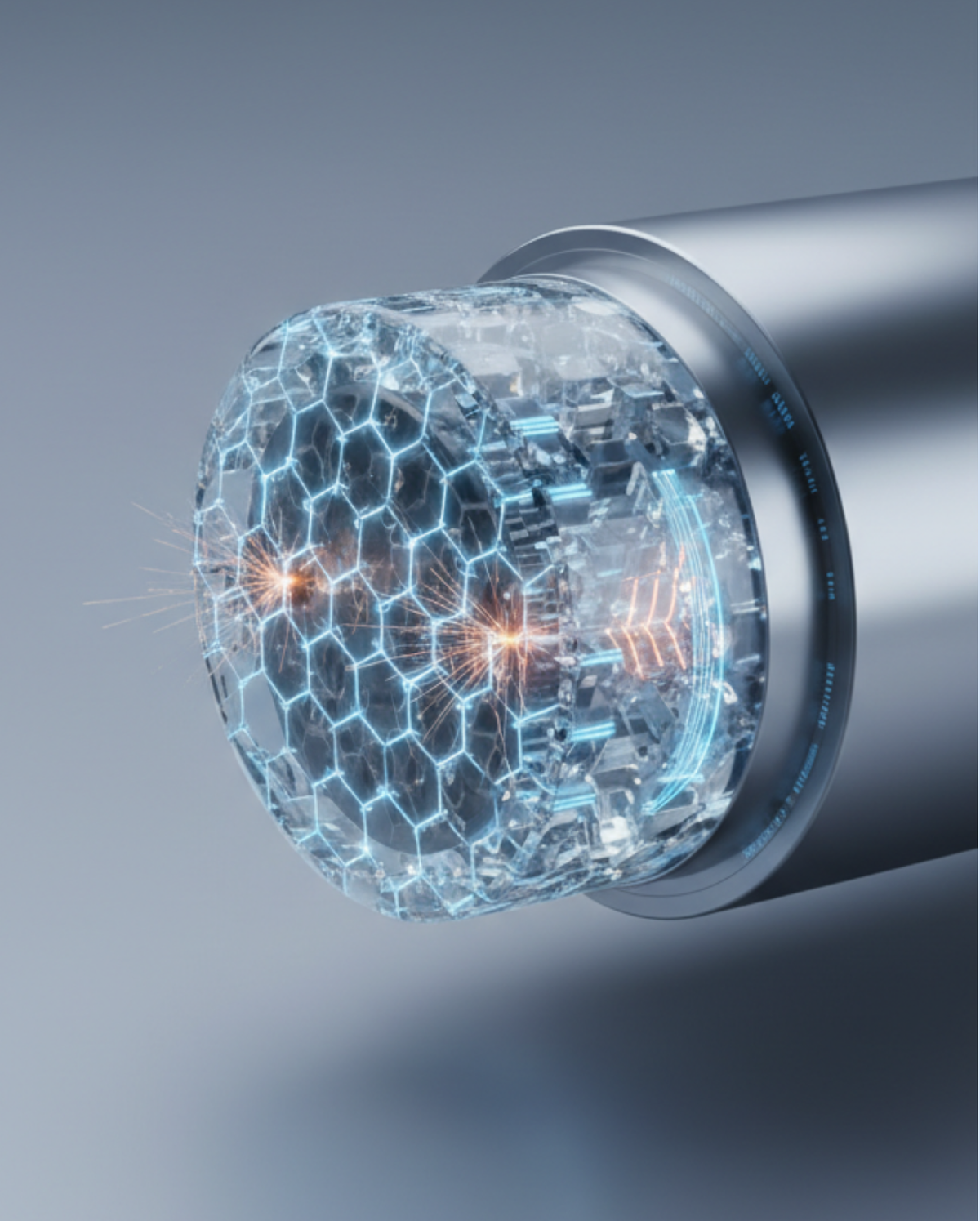
The global demand for energy storage continues to surge, driven by electric vehicles (EVs), grid-scale storage, and consumer electronics. Lithium-ion (Li-ion) batteries, while dominant, face challenges related to the finite supply and geopolitical concentration of lithium and cobalt, escalating costs, and inherent safety concerns from their flammable liquid electrolytes. Solid-state sodium batteries, or solid-state Na-ion batteries, emerge as a compelling alternative. Sodium is vastly more abundant and cheaper than lithium, offering a path to more sustainable and potentially safer energy storage solutions. Integrating graphene into these systems promises to enhance performance, but the practical realization hinges on overcoming significant engineering hurdles related to solid-solid interfaces, dendrite formation, and scalable manufacturing processes.
Solid-state sodium batteries seek to replace flammable liquid electrolytes with solid materials, enhancing safety and reducing reliance on costly, geopolitically sensitive lithium. The core challenge is creating a fully solid-state system that matches or exceeds Li-ion performance in energy density, power density, cycle life, and manufacturability.
Sodium-ion batteries (SIBs) operate similarly to Li-ion, using Na+ ions as charge carriers. Their primary advantage is the abundance and low cost of sodium, making them attractive for large-scale applications like grid storage. However, current SIBs largely rely on organic liquid electrolytes, which are flammable and volatile. This poses safety risks, including thermal runaway, and leads to electrolyte degradation, forming unstable solid-electrolyte interphase (SEI) layers that reduce battery life. For demanding applications like EVs, these safety and stability issues are significant barriers.
Solid electrolytes offer a non-flammable alternative, enabling safer batteries and higher energy density with sodium metal anodes. Each type presents distinct tradeoffs:
The "Achilles' heel" of all-solid-state batteries is the solid-solid interface. Unlike liquids that wet surfaces, achieving stable, low-resistance contact between two solids is fundamentally difficult.
Using sodium metal as an anode, while offering high theoretical capacity (1166 mAh/g), introduces severe dendrite formation challenges.
Graphene, with its exceptional electrical conductivity, mechanical strength, and high surface area, is an attractive additive. However, its true utility in solid-state sodium systems requires careful evaluation.
For commercial viability, graphene solid-state sodium batteries must meet demanding performance benchmarks:
Scaling production efficiently and cost-effectively is a major bottleneck:
Sodium's abundance from seawater offers a significant raw material cost advantage over lithium. However, the production of high-quality graphene remains expensive and complex, involving methods like CVD or liquid-phase exfoliation that are not yet tonnage-scale. Integrating graphene cost-effectively into battery manufacturing without compromising its properties or adding significant expense is a major hurdle. True commercial viability demands dramatically scaled graphene production with consistent quality and reduced unit cost.
Q: What is a graphene solid-state sodium battery? A: A graphene solid-state sodium battery is an energy storage device that uses sodium ions as charge carriers, a non-flammable solid electrolyte, and incorporates graphene into its electrode or interface components to enhance performance, safety, and cycle life. It aims to be a more sustainable and potentially safer alternative to lithium-ion batteries.
Q: Why is sodium considered a good alternative to lithium for batteries? A: Sodium is significantly more abundant and thus cheaper than lithium, making it a more sustainable and cost-effective option for large-scale energy storage, such as grid applications. Its widespread availability reduces geopolitical dependencies associated with lithium.
Q: What are the main challenges for solid-state sodium batteries? A: Key challenges include achieving high ionic conductivity in solid electrolytes at room temperature, overcoming high interfacial resistance between solid components, suppressing sodium dendrite growth at the anode, and ensuring scalable, cost-effective manufacturing processes.
Q: How does graphene improve battery performance in solid-state sodium systems? A: Graphene can enhance electronic conductivity within cathode composites, improve mechanical strength at interfaces to prevent cracking and delamination, facilitate better physical contact between solid components, and potentially aid in thermal management. It does not directly improve the electrolyte's intrinsic ionic conductivity.
Q: What is "interfacial resistance" in solid-state batteries? A: Interfacial resistance refers to the resistance to ion flow at the contact points between the solid electrolyte and the solid electrodes. It's a critical issue because imperfect contact, chemical incompatibility, or mechanical changes during cycling can significantly increase this resistance, hindering power delivery and efficiency.
Q: Can graphene prevent dendrite formation in solid-state sodium batteries? A: Graphene's high mechanical strength could theoretically help by reinforcing solid electrolytes or acting as a robust interfacial layer. However, directly preventing dendrite penetration requires extremely high mechanical modulus and perfect, stable contact over long cycles, which is a significant ongoing research challenge. It's more likely to mitigate or slow dendrite growth rather than fully prevent it.
Q: What is "Janus graphene" and its significance? A: Janus graphene is a modified form of graphene with a molecular spacer on one side, which creates more space between stacked graphene layers. This innovative design has been shown to dramatically increase the capacity for sodium ion storage in experimental anodes, reaching capacities comparable to graphite in lithium-ion batteries [1].
Q: What key metrics should I look for when evaluating solid-state sodium battery claims? A: Focus on full-cell energy density (Wh/kg, Wh/L), specific power density, cycle life at practical C-rates (e.g., 1C), operating temperature range, critical current density (for dendrite suppression), and evidence of scalable manufacturing processes and cost projections.
Serious about B2B integration? Test our premium Pulsed Electrical Resistive Carbon Heating turbostratic graphene in your lab. 100g sample packs available now.
Explore More
Graphene and Solid State Sodium Batteries

The global demand for sustainable energy storage is driving the development of alternatives to lithium-ion batteries, with Sodium-Ion Batteries (SIBs) emerging as a promising solution.

vntroduction: The Energy Storage Dilemma Our modern world hums with the silent energy coursing through its veins, powering everything from the mundane – your smartphone screen flickering to life – to the monumental – the silent surge propelling electric cars