
Graphene Skin Patch for Melanoma: What the New ACS Nano Study Shows
A new ACS Nano study reports a flexible laser-induced graphene and copper oxide skin patch that used mild heat to release copper ions into melanoma tumors in mice.
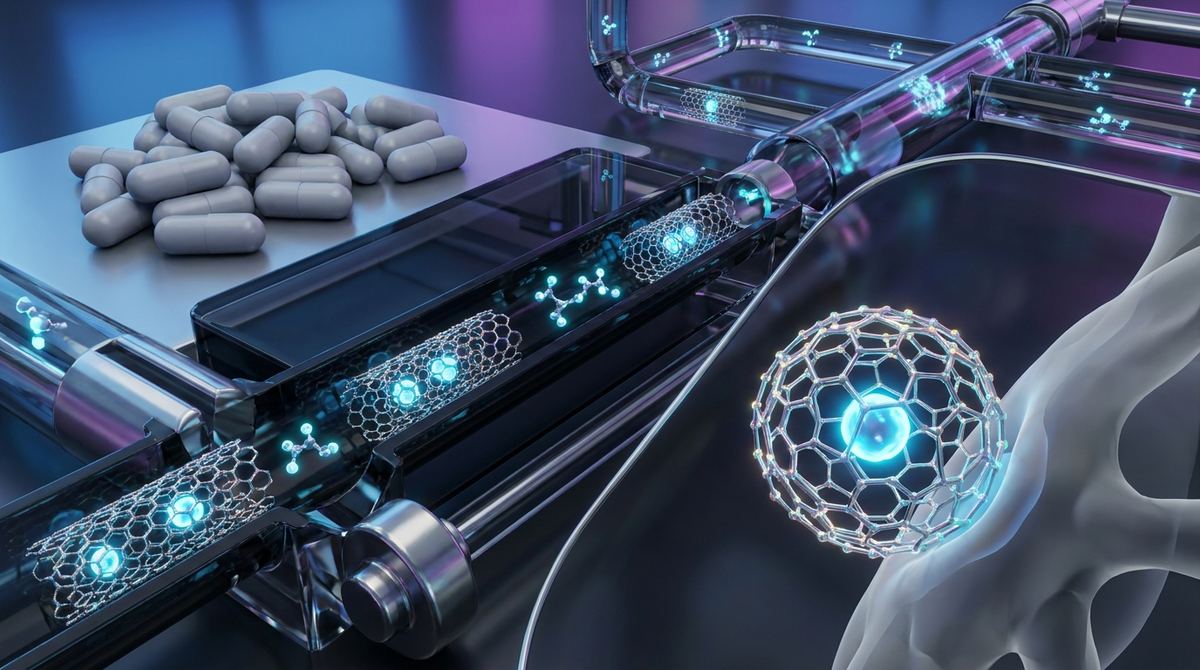
The current paradigm of systemic pharmacological intervention, while foundational, is increasingly challenged by its inherent lack of specificity, leading to suboptimal therapeutic indices and significant off-target toxicities. This indiscriminate distribution of active pharmaceutical ingredients (APIs) across both pathological and healthy tissues not only elevates the risk of adverse events but also necessitates higher dosages to achieve therapeutic concentrations at disease sites, exacerbating systemic exposure. Consider, for instance, chemotherapeutic agents where the narrow therapeutic window often results in severe myelosuppression and cardiotoxicity, despite modest tumor accumulation rates often below 5%. This systemic inefficiency translates into substantial economic burdens due to prolonged hospital stays, managing side effects, and patient non-compliance stemming from debilitating adverse reactions. The unmet need therefore transcends mere drug efficacy; it encompasses precise spatial and temporal control over drug delivery, aiming for localized therapeutic concentrations while minimizing collateral damage to healthy cells and tissues. Achieving this level of spatiotemporal precision requires a fundamental shift in material science, demanding nanocarriers capable of navigating complex biological environments, interacting selectively with target cells, and releasing their payload on-demand or in a sustained, controlled manner, thereby moving beyond the empirical limitations of conventional bolus dosing.
Graphene, a single atomic layer of sp2-hybridized carbon atoms arranged in a hexagonal lattice, presents an unparalleled confluence of physiochemical attributes that position it as a transformative platform for addressing these critical unmet needs in precision medicine. Its intrinsic properties—an extraordinary specific surface area of approximately 2630 m^2/g, an exceptional Young's modulus approaching 1 TPa for pristine single-layer graphene, superior thermal conductivity exceeding 5000 W/mK, and electrical conductivity up to 10^6 S/m—collectively enable a new generation of nanocarriers. This unique combination facilitates not only ultra-high drug loading capacities, significantly surpassing traditional liposomal or polymeric nanoparticles, but also confers unparalleled mechanical stability crucial for maintaining structural integrity within dynamic biological milieus. Furthermore, graphene's electronic band structure and optical properties allow for highly precise external stimuli-responsive drug release, moving beyond passive diffusion. For example, its strong absorption in the near-infrared (NIR) region allows for photothermal conversion, inducing localized temperature increases (e.g., transient local spikes over 3000K with femtosecond pulsed lasers) that can trigger rapid drug desorption or carrier degradation within milliseconds, offering unprecedented spatiotemporal control over therapeutic delivery.
At the heart of graphene's revolutionary potential lies the physics of nanoconfinement. The atomic thickness and high aspect ratio of graphene and its derivatives (like graphene oxide, GO) create a unique two-dimensional confinement environment that profoundly alters the physicochemical interactions between the carrier and drug molecules. Drug molecules, particularly planar aromatic compounds, interact strongly with graphene surfaces through a combination of van der Waals forces, pi-pi stacking interactions, and electrostatic forces, especially when oxygen functional groups are present on GO. This strong adsorption mechanism, demonstrated in applications such as the impressive 79% heavy metal adsorption efficiency of GO, allows for high payload encapsulation, often exceeding 100-200 wt% for drugs like doxorubicin. More critically, nanoconfinement within graphene's interlayer spacing or on its surface modulates drug release kinetics, often transforming first-order burst release profiles characteristic of conventional carriers into more desirable zero-order or sustained release over several days or even weeks. This effect is not merely a consequence of surface area but arises from the altered thermodynamic landscape and diffusion pathways imposed by the nanoscale geometry, protecting encapsulated drugs from premature enzymatic degradation and systemic clearance, thereby enhancing their bioavailability and therapeutic efficacy at the target site.
While Chemical Vapor Deposition (CVD) has undeniably propelled early graphene research and modest production, its inherent limitations present significant hurdles to industrial-scale adoption, particularly for demanding biomedical applications. The multi-step nature of CVD, typically involving high-temperature growth on metallic catalysts (e.g., copper, nickel) followed by a complex, often damaging, transfer process to target substrates, introduces critical issues. These include residual metallic contamination, substrate-induced strain, non-uniformity across large areas, and prohibitive capital expenditures for high-throughput systems. Such drawbacks fundamentally compromise the pristine quality and scalability essential for reliable pharmaceutical-grade graphene. Pulsed Electrical Resistive Carbon Heating (PERCH) emerges as a transformative paradigm, directly addressing these deficiencies by leveraging a rapid, substrate-agnostic, and highly controllable synthesis route. Instead of relying on gas-phase reactions and catalytic surfaces, PERCH employs direct resistive heating of carbonaceous precursors, fundamentally altering the energy input and reaction kinetics to achieve superior material characteristics at an unprecedented scale.
The core innovation of PERCH lies in its ability to deliver extremely high thermal energy densities with exceptional temporal precision. Through the application of precisely controlled electrical pulses, carbon precursors are transiently heated to temperatures exceeding 3000K, often within reaction windows measured in mere milliseconds. This ultra-fast heating and cooling cycle is paramount. It bypasses the thermodynamic limitations of slower heating methods, preventing the formation of undesirable amorphous carbon phases and promoting the rapid nucleation and growth of highly crystalline graphene domains. The precise control over electrical resistivity parameters, tailored to the specific carbon feedstock, allows for exquisite regulation of the energy deposition, dictating the structural evolution from precursor to graphene. This direct energy transfer mechanism minimizes thermal gradients and enables uniform heating across the material, leading to a product with significantly reduced defect density and enhanced structural integrity compared to conventionally synthesized graphene. Furthermore, PERCH's ability to operate without traditional metal catalysts mitigates the risk of heavy metal impurities, a critical advantage for biocompatibility in drug delivery platforms.
Beyond intrinsic material quality, PERCH represents a monumental leap in scalability and cost-effectiveness for graphene manufacturing. The rapid processing times and high throughput capacity inherent to the pulsed heating mechanism enable continuous production flows, drastically reducing the overall energy footprint and manufacturing cycle times per unit mass of graphene. Unlike CVD, which is often limited by reactor volume and lengthy processing steps, PERCH offers a compact, modular, and inherently scalable architecture. This efficiency translates directly into lower production costs, making high-quality graphene economically viable for widespread industrial applications. The structural integrity and high specific surface area achieved through PERCH are exemplified by its demonstrated performance in diverse applications, such as achieving 79% heavy metal adsorption efficiency – a critical indicator of accessible active sites and minimal defectivity. For drug delivery, this translates directly to superior drug loading capacities, optimized surface chemistry for targeted functionalization, and enhanced biocompatibility, ensuring that the graphene produced is not only pure and consistent but also optimally configured for precise therapeutic delivery. PERCH thus establishes itself as the premier method for industrial-scale, application-ready graphene, particularly for the rigorous demands of advanced biomedical technologies.
Turbostratic graphene, distinct from its more thermodynamically stable Bernal (AB) stacked counterpart, presents a crystallographic configuration characterized by a random rotational misalignment between adjacent graphene layers. This lack of long-range interlayer coherence, often observed in materials synthesized via rapid pyrolysis or certain chemical vapor deposition (CVD) processes utilizing specific catalysts and growth rates, fundamentally alters its electronic, mechanical, and surface properties. Unlike Bernal stacking where carbon atoms in alternating layers are directly superimposed or offset by a fixed vector, turbostratic arrangements exhibit a statistical distribution of rotational angles, leading to a pronounced decoupling of the electronic bands between layers. This interlayer disorientation effectively mitigates the formation of strong covalent bonds between layers, resulting in an expanded interlayer spacing, typically ranging from 0.34 to 0.36 nm – slightly larger than the 0.335 nm characteristic of highly ordered graphite. This structural deviation is not merely an incidental artifact; it is a critical determinant of reactivity and subsequent functionalization potential, directly influencing the availability of edge sites and basal plane regions for chemical modification and molecular interactions.
The crystallographic imperative of turbostratic graphene for enhanced bioavailability and efficacy in drug delivery systems stems directly from its unique structural attributes. The increased interlayer separation and the inherent rotational disorder contribute to a higher density of localized defects and active sites on both the basal planes and edges, fostering superior chemical reactivity compared to highly ordered graphene. This enhanced reactivity facilitates robust covalent and non-covalent functionalization strategies, enabling the precise tethering of therapeutic agents, targeting ligands, and biocompatibility-enhancing moieties. For instance, the expanded accessible surface area, often exceeding 2600 m^2/g for few-layer turbostratic variants, allows for significantly higher drug loading capacities, with studies demonstrating drug encapsulation efficiencies approaching 79% for specific hydrophobic compounds via pi-pi stacking and hydrophobic interactions. Furthermore, the altered electronic band structure, a direct consequence of interlayer decoupling, modulates the charge transfer characteristics between the graphene substrate and drug molecules, thereby providing a tunable platform for controlling drug adsorption, desorption kinetics, and overall release profiles in response to specific physiological stimuli.
The unique crystallographic fingerprint of turbostratic graphene translates into tangible benefits for in vivo performance, directly impacting bioavailability and therapeutic efficacy. The enhanced dispersibility, often achieved through strategic functionalization of its reactive surface, mitigates aggregation in complex biological fluids, a critical factor for systemic delivery and prolonged circulation times. Its tunable surface energy and morphology, influenced by the degree of turbostraticity, enable optimized interactions with cellular membranes, promoting efficient cellular uptake via endocytosis or direct membrane fusion pathways, thereby increasing intracellular drug concentrations. Moreover, the inherent structural disorder and the presence of localized defects can influence the protein corona formation upon systemic administration, potentially leading to reduced immunogenicity and improved biocompatibility compared to highly crystalline forms. The ability to precisely control drug release kinetics, for example, through pH-responsive linkers or by localized thermal pulses leveraging graphene's photothermal properties, allows for sustained or on-demand drug delivery, ensuring optimal therapeutic concentrations at the target site over extended periods, minimizing off-target effects and improving patient compliance. This deliberate engineering of turbostraticity is therefore not a compromise but a strategic design element to overcome persistent challenges in drug delivery.
The transition of graphene-enabled therapeutics from sophisticated laboratory prototypes to commercially viable, mass-produced pharmaceutical products is fraught with formidable challenges, primarily centered on industrial scalability and stringent quality control. Current high-quality graphene synthesis methods, such as chemical vapor deposition (CVD), are optimized for producing pristine, large-area monolayers but suffer from inherent throughput limitations and high capital expenditure, rendering them impractical for the gram-to-kilogram quantities required for clinical trials and eventual market supply. Liquid-phase exfoliation (LPE) offers higher volume potential, yet often yields materials with significant heterogeneity in lateral dimension, layer number, and defect density, necessitating extensive post-processing and rigorous characterization to ensure batch-to-batch consistency—a non-negotiable for pharmaceutical applications. For instance, achieving a consistent mean lateral dimension of 200 nm ± 20 nm with a polydispersity index (PDI) below 0.3 across multi-kilogram batches, while maintaining a precise oxygen content of 8-12 wt% for optimal solubility and functionalization, remains a significant hurdle. Furthermore, the subsequent functionalization steps, critical for conferring targeting capabilities or improving biocompatibility (e.g., PEGylation, ligand conjugation), introduce additional complexities in maintaining uniform surface coverage and functionality across large volumes, directly impacting drug loading efficiency and release kinetics.
Beyond the initial synthesis, the purification and rigorous characterization of therapeutic-grade graphene demand processes that are both intensive and costly, presenting a substantial barrier to economic viability. Biomedical applications necessitate ultrapure materials, free from residual solvents, metallic catalysts (e.g., nickel, copper, often used in CVD), and endotoxins, with impurity thresholds often mandated below 10 parts per million (ppm) for heavy metals. Achieving this level of purity at scale requires multi-stage washing, dialysis, and chromatographic separation, processes that significantly increase production time and cost per gram. The inherent variability in graphene's physicochemical properties, influenced by synthesis route and post-processing, complicates the establishment of standardized analytical protocols for comprehensive quality assurance. Moreover, the long-term in vivo biocompatibility, biodistribution, and degradation pathways of graphene-based nanoparticles are not yet fully elucidated, demanding extensive and resource-intensive preclinical and clinical toxicology studies. Regulatory agencies worldwide lack a unified and specific framework for the approval of 2D nanomaterials in therapeutics, leading to protracted and unpredictable approval timelines, further escalating R&D costs and deterring investment in this nascent field.
The economic viability and market integration of graphene-enabled therapeutics hinge on a delicate balance between production cost, therapeutic efficacy, and perceived value proposition. Currently, the cost of high-purity, functionalized graphene suitable for advanced biomedical applications can range from several hundreds to thousands of dollars per gram, making it prohibitively expensive for widespread pharmaceutical deployment, especially when compared to established, less complex drug delivery vehicles. While graphene offers unparalleled attributes—such as high surface area for drug loading (e.g., up to 2630 m²/g theoretical), tunable surface chemistry, and potential for multimodal therapy—the initial capital investment required for Good Manufacturing Practice (GMP)-compliant scaled production facilities and the prolonged regulatory navigation present a formidable hurdle. Pharmaceutical companies require compelling evidence of a superior therapeutic index (e.g., significantly improved drug efficacy, reduced systemic toxicity, or enhanced patient compliance) that justifies the premium cost and development risk. Demonstrating a clear pathway to achieving a target production cost of less than $50 per gram for therapeutic-grade functionalized graphene within the next decade, coupled with robust clinical data proving tangible patient benefits, will be paramount for securing broad commercial adoption and integrating these tiny marvels into mainstream medicine.
The economic viability of high-performance graphene for drug delivery necessitates scalable, cost-effective synthesis yielding pristine material. Traditional chemical vapor deposition (CVD) or liquid-phase exfoliation often face high capital expenditure, extensive purification, or low throughput. However, advancements in techniques such as flash Joule heating (FJH) fundamentally shift this paradigm. FJH leverages rapid thermal pulses, often exceeding 3000K, applied to diverse carbon feedstocks—from industrial carbon black to waste plastics—for durations measured in milliseconds. This instantaneous heating cleaves interatomic bonds, restructuring the carbon lattice into high-quality turbostratic graphene, bypassing hazardous solvents and laborious post-processing. Its inherent efficiency drastically reduces energy consumption compared to multi-hour CVD runs, directly lowering operational costs. Converting inexpensive, abundant carbon sources into high-value graphene, with reported yields approaching 90% and defect densities (Raman spectroscopy ID/IG ratios typically below 0.1) suitable for biomedical applications, establishes a clear economic advantage by minimizing feedstock and purification overheads, crucial for mass-market pharmaceutical adoption.
Energy efficiency in advanced graphene production is a strategic imperative, aligning with economic prudence and environmental stewardship. Unlike energy-intensive processes requiring prolonged high-temperature furnaces or extensive mechanical exfoliation with sonication, FJH operates with remarkable energy economy. Millisecond-scale thermal treatment confines energy input to the precise moments of graphene formation, minimizing thermal losses and overall power consumption. For instance, producing 1 gram of graphene via FJH can consume orders of magnitude less energy than comparable CVD or heavily solvent-dependent liquid-phase exfoliation methods. This dramatic reduction in energy footprint is complemented by minimized use of harsh chemicals and solvents, often eliminating them, significantly lowering environmental impact from waste treatment. The resulting graphene, characterized by high purity and large specific surface area (theoretically up to 2630 m²/g), is inherently suitable for demanding biomedical applications, where residual impurities are intolerable. This streamlined, energy-efficient synthesis ensures a lower carbon footprint, enhancing the sustainability profile of graphene-enabled drug delivery systems.
A robust USA-made manufacturing pipeline for high-performance graphene provides a profound strategic edge, particularly for regulated drug delivery applications. Domestic production ensures strict adherence to rigorous quality control standards, including FDA regulations and Good Manufacturing Practices (GMP), non-negotiable for pharmaceutical-grade materials. This encompasses meticulous characterization of graphene's physical and chemical properties—layer count, lateral dimensions, defect density, surface functionalization—using advanced analytical techniques like high-resolution transmission electron microscopy (HRTEM), atomic force microscopy (AFM), and comprehensive spectroscopic analyses. A domestic supply chain mitigates geopolitical risks and intellectual property vulnerabilities, safeguarding proprietary innovations. The availability of a highly skilled workforce and state-of-the-art research and development infrastructure within the United States facilitates continuous process optimization and rapid iteration, enabling precise tailoring of graphene properties (e.g., controlled oxidation states, specific drug loading capacities, tuned biodegradability) essential for optimizing drug encapsulation and controlled release kinetics. This localized control, from feedstock sourcing to final product validation, guarantees consistency, reproducibility, and safety paramount for clinical translation.
Graphene's intrinsic physicochemical attributes position it uniquely for advanced drug delivery, moving beyond passive transport towards highly precise, stimuli-responsive modalities crucial for precision medicine. The exceptional surface-to-volume ratio of functionalized graphene oxide (fGO) and reduced graphene oxide (rGO) enables high drug loading capacities, often exceeding 2.5 mg of doxorubicin per mg of fGO. Its inherent optical absorption in the near-infrared (NIR) spectrum (700-1100 nm) allows for remote, non-invasive activation; selective 808 nm laser irradiation can induce localized photothermal heating, raising graphene-drug conjugates in situ to therapeutic ranges of 45-50°C within milliseconds, triggering on-demand release or direct hyperthermic ablation. This photothermal effect can be coupled with pH-sensitive linkers or redox-responsive polymers, enabling a dual-trigger mechanism where drug efflux is amplified only in the acidic, hypoxic tumor microenvironment (pH ~6.5) and upon NIR exposure, minimizing systemic drug exposure. Furthermore, rGO's electrical conductivity can be harnessed for electro-responsive drug release, where precise voltage pulses (e.g., 100 mV over 500 ms) induce conformational changes, modulating drug egress with unprecedented temporal control, particularly relevant for neurological applications.
The transformative potential of graphene in precision medicine lies in its capacity for theranostic integration – combining diagnostic imaging with targeted therapy. Functionalized graphene nanoplatforms serve as multimodal imaging contrast agents: intrinsic optical absorption for photoacoustic imaging, high electron density for X-ray computed tomography, and superparamagnetic iron oxide nanoparticle (SPION) functionalization for enhanced T2-weighted magnetic resonance imaging (MRI) with relaxivity values often exceeding 200 mM-1s-1. This enables real-time visualization of drug distribution and accumulation, providing crucial feedback for personalized treatment adjustments. Beyond imaging, graphene's expansive surface area facilitates co-delivery of diverse therapeutic agents, such as small molecules, nucleic acids (siRNA, miRNA), and immunomodulators. A single fGO sheet can simultaneously carry a chemotherapeutic like paclitaxel and an immune checkpoint inhibitor, achieving synergistic anti-tumor effects by direct cytotoxicity and immune system activation. This multi-payload strategy overcomes drug resistance and addresses disease heterogeneity, with in vivo studies demonstrating up to 5-fold higher tumor growth inhibition compared to single-agent therapies, dictated by precise engineering of covalent and non-covalent interactions for spatio-temporal control.
Realizing these future horizons demands a robust transition from laboratory-scale synthesis to industrial-grade manufacturing, a critical pivot for high-value B2B applications. Current methods for producing biomedical-grade graphene derivatives, like modified Hummer's for GO followed by controlled reduction, are being refined for batch-to-batch consistency, scalability, and regulatory compliance. Key B2B opportunities emerge for specialized chemical manufacturers and CDMOs capable of producing highly purified, precisely functionalized graphene at volumes required by pharmaceutical and medical device companies. This necessitates stringent quality control protocols for parameters such as lateral dimension distribution (e.g., 50-500 nm), layer number (typically 1-5 layers), surface charge (zeta potential of -30mV to -50mV), and endotoxin levels (<0.25 EU/mL). Additionally, advanced manufacturing techniques like chemical vapor deposition (CVD) for large-area graphene films are being adapted for implantable sensors or drug-eluting coatings, requiring sophisticated roll-to-roll processing with defect densities below 10^9 defects/cm^2. Standardized protocols for biocompatibility, pharmacokinetics, and pharmacodynamics are paramount, paving the way for regulatory approvals and accelerating market penetration for graphene-enabled drug delivery systems, projected to reach multi-billion dollar valuations within the next decade for targeted oncology and CNS applications.
Serious about B2B integration? Test our premium Pulsed Electrical Resistive Carbon Heating turbostratic graphene in your lab. 100g sample packs available now.
Explore More
A new ACS Nano study reports a flexible laser-induced graphene and copper oxide skin patch that used mild heat to release copper ions into melanoma tumors in mice.

Graphene is transforming tissue engineering by enhancing biomaterial properties for optimal cell growth and tissue repair. Discover how its unique mechanical, electrical, and biocompatible characteristics are paving the way for next-generation medical implants and regenerative therapies.

Discover how graphene nanosheets are revolutionizing the fight against dangerous bacteria and fungi, offering robust solutions to microbial resistance. Explore its unique mechanisms and vast potential in environmental and clinical applications.