
Beyond Perfection: How Electrons Hop in Real-World Graphene Electronics
Discover how hopping-mediated charge transport explains graphene's electrical behavior beyond the ideal ballistic regime, a key insight for creating...
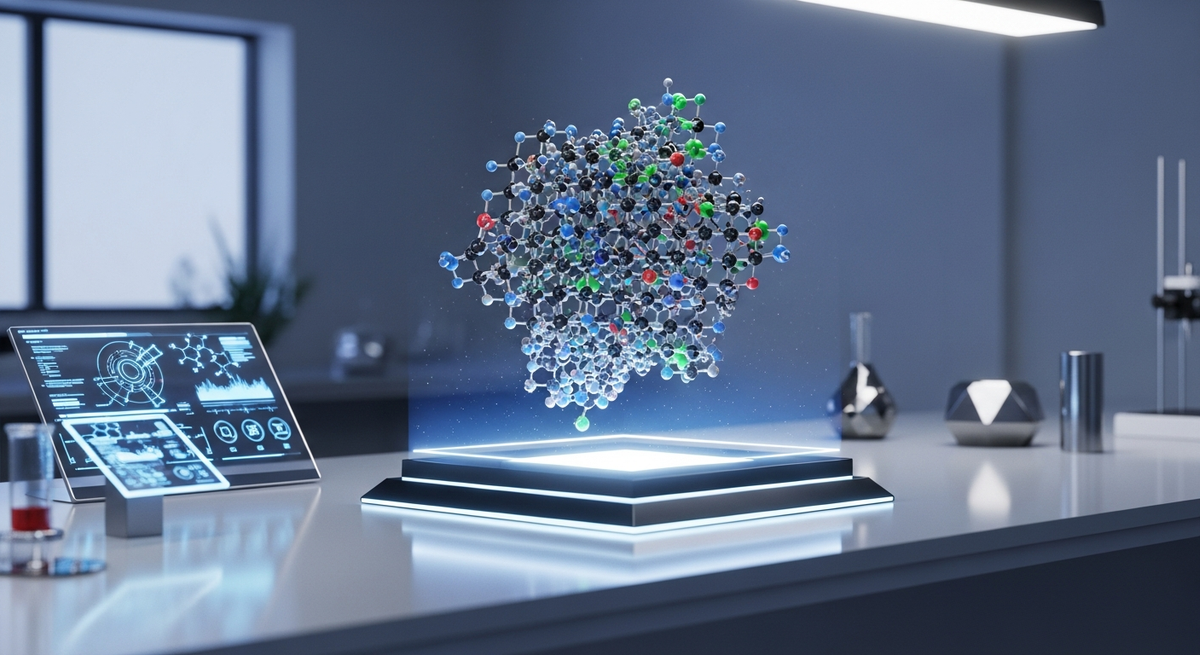
Graphene emerged from theoretical physics into tangible reality through meticulous scientific exploration. Physicist Philip Wallace first explored the underlying theory of this two-dimensional carbon allotrope in 1947. The scientific community waited decades until researchers at the University of Manchester successfully isolated single atomic layers in 2004. This breakthrough earned Konstantin Novoselov and Andre Geim the 2010 Nobel Prize in Physics and ignited widespread corporate and academic interest. Raw graphene boasts a tensile strength roughly two hundred times greater than steel and conducts electricity better than any known material at room temperature. Realizing the full commercial potential of this material requires precise manipulation at the atomic level. The molecular theory of graphene chemical modification provides the blueprint for transforming pristine carbon sheets into highly specialized functional materials.
Understanding how graphene interacts with other chemical species begins with its fundamental atomic arrangement. Pristine graphene consists of a perfectly flat, single-atom-thick layer of carbon atoms arranged in a hexagonal lattice. Each carbon atom forms three strong covalent bonds with its neighbors using sp2 hybridized orbitals. The fourth valence electron occupies a p-orbital that sits perpendicular to the basal plane, creating a delocalized pi-electron network across the entire sheet. This continuous electron cloud is responsible for the exceptional electrical conductivity and mechanical stability of the material. The perfect symmetry of this lattice also makes pristine graphene chemically inert under standard conditions. Initiating chemical reactions requires disrupting this stable electron network to create specific reactive sites.
The molecular theory of chemical modification focuses heavily on the transition of carbon atoms from sp2 to sp3 hybridization. When a chemical group attaches to the graphene surface, the targeted carbon atom changes its bonding geometry from flat to tetrahedral. This localized disruption bends the graphene sheet slightly and interrupts the continuous pi-electron cloud. Theoretical models predict that clustering these modified sites minimizes the overall energy penalty to the carbon lattice. Researchers use computational chemistry to map out the most favorable reaction pathways and predict exactly where functional groups will attach. Understanding these thermodynamic driving forces allows scientists to design specific chemical reactions that yield highly predictable modifications. Controlling the degree of this sp2 to sp3 conversion dictates the final electrical and physical properties of the resulting derivative.
Chemical modification primarily falls into two distinct categories based on the strength and nature of the resulting molecular bonds. Covalent functionalization involves forming direct chemical bonds between external molecules and the carbon backbone. This process fundamentally alters the atomic structure of the graphene sheet by forcing the sp2 to sp3 hybridization shift discussed previously. Common covalent methods include radical addition, nucleophilic substitution, and advanced cycloaddition reactions. While covalent bonding provides highly stable and permanent attachments, it inevitably degrades the intrinsic electrical conductivity of the pristine material. Scientists must carefully balance the need for chemical functionality against the loss of vital electronic performance.
Noncovalent functionalization offers an alternative approach that preserves the delicate electronic structure of the basal plane. This method relies on weaker intermolecular forces such as van der Waals interactions, pi-pi stacking, and electrostatic interactions. Molecules with extended aromatic ring systems naturally align themselves parallel to the graphene surface to maximize pi-pi overlap. Since the structural integrity of the carbon lattice remains completely intact, the material retains its high charge carrier mobility and mechanical strength. Noncovalent modification is particularly useful for dispersing graphene in various solvents and preventing individual sheets from clumping together. The primary drawback of this approach is the relatively weak attachment, which can lead to the detachment of functional molecules under harsh environmental conditions.
Integrating graphene into macroscopic structures often requires the use of polymers to form advanced structural nanocomposites. Modification of graphene with polymers via addition chemistry represents a highly effective strategy for achieving uniform dispersion within a polymer matrix. The process involves attaching polymer chains directly to the surface or edges of the carbon sheets. Graphene typically exhibits a large specific surface area and a strong tendency to agglomerate due to intense van der Waals forces. Attaching bulky polymer chains introduces steric hindrance that physically pushes the sheets apart and stabilizes them within a solvent or resin. This chemical integration prevents the graphene from settling and ensures isotropic properties throughout the final composite material.
The mechanisms of polymer addition can be distinctly classified into grafting-to and grafting-from approaches. The grafting-to method involves attaching pre-synthesized polymer chains containing reactive end groups directly to functionalized graphene. This approach offers precise control over the molecular weight of the attached polymers but often suffers from low grafting density due to severe steric crowding. The grafting-from technique initiates polymer chain growth directly from reactive sites located on the graphene surface. Monomers diffuse easily to these active sites, allowing for the creation of incredibly dense, high-molecular-weight polymer coatings. Both methods fundamentally alter the interfacial interaction between the carbon nanofiller and the surrounding bulk material.
Electrochemical exfoliation provides a highly scalable and tunable method for producing chemically modified graphene directly from bulk graphite. The process involves applying an electrical bias to a graphite electrode submerged in a specific electrolyte solution. The applied voltage drives ions from the electrolyte deep into the microscopic spaces between the graphite layers. The distance between individual layers in bulk graphite is exactly 0.335 nanometers, held together by relatively weak van der Waals forces. As ions intercalate between these layers, they generate gas bubbles that expand rapidly and force the sheets apart. This physical expansion overcomes the interlayer attraction and releases individual layers into the surrounding liquid.
During this electrochemical process, the carbon lattice undergoes significant and predictable oxidation. Oxygen-containing functional groups such as hydroxyl, epoxy, and carboxyl groups attach themselves to both the basal plane and the edges of the sheets. The introduction of these highly polar groups transforms the hydrophobic graphite into highly hydrophilic graphene oxide. Graphene oxide disperses beautifully in water, making it incredibly easy to process for biological and environmental applications. The exact ratio of these oxygen groups can be predicted and controlled by adjusting the electrolyte composition and the applied voltage. Researchers can later remove some of these oxygen groups through chemical or thermal reduction to partially restore the electrical conductivity.
Perfectly pristine graphene exists mostly as a theoretical construct, as real-world production methods always introduce minor structural imperfections. Defect engineering embraces these imperfections by intentionally creating vacancies, edges, and topological irregularities within the lattice. The molecular theory of chemical modification identifies these defects as the absolute primary initiation sites for chemical reactions. A carbon atom located next to a vacancy lacks its full complement of bonds and exhibits much higher chemical reactivity than an atom in the center of a perfect lattice. Edges present similar opportunities, as the terminating carbon atoms must bond with foreign species to satisfy their valency requirements.
Theoretical predictions map the electron density around these defective regions to determine their exact susceptibility to chemical attack. Computational models calculate the precise activation energy required for a molecule to attach to various sites across the sheet. These calculations consistently show that reactions proceed much faster at edges and defect sites compared to the pristine basal plane. Scientists exploit this differential reactivity to selectively functionalize the edges while leaving the highly conductive central regions completely intact. This precise spatial control allows for the creation of intricate nanoscale devices and highly targeted sensor platforms. The ability to predict and manipulate these reactive sites separates basic materials science from advanced molecular engineering.
Chemically modified graphene serves as an exceptional foundational material for next-generation biosensors and biofuel cells. The planar structure of the sheets provides a massive surface area for immobilizing biological molecules like enzymes, antibodies, and DNA strands. Connecting these sensitive biological receptors to the highly conductive carbon network allows for the rapid detection of specific target analytes. When a target molecule binds to the immobilized receptor, it triggers a minute change in the electrical resistance of the underlying graphene layer. The high charge carrier mobility of the material ensures that this tiny electrical signal is transmitted quickly and efficiently to the measuring electronics.
The predictive power of molecular theory directly guides the design of these complex electrochemical interfaces. Researchers must select specific functional groups that will bind securely to the desired biomolecule without destroying its native biological activity. The spacing and density of these functional groups dictate exactly how densely the receptors can be packed onto the surface. Graphene derivatives also offer excellent biocompatibility, making them highly suitable for long-term implantation and continuous health monitoring systems. By fine-tuning the surface chemistry, engineers can suppress non-specific binding and dramatically improve the signal-to-noise ratio of the sensor. The fusion of predictive molecular chemistry and nanomaterials continues to yield diagnostic devices with unprecedented analytical sensitivity.
What is the molecular theory of graphene chemical modification?
The molecular theory explains exactly how carbon atoms in a graphene lattice interact with foreign atoms and external molecules. It focuses heavily on the transition of carbon bonds from a flat, sp2 hybridized state to a three-dimensional, sp3 hybridized state. This theory utilizes computational models to predict where chemical reactions will occur and how they will change the physical properties of the material. Understanding these specific mechanisms allows scientists to design custom functionalized derivatives for advanced industrial applications. The theory provides a mathematical foundation for predicting reaction thermodynamics and kinetics.
How does chemical modification affect the electrical conductivity of graphene?
Covalent chemical modification typically decreases the overall electrical conductivity of the raw material. Attaching molecules directly to the carbon backbone disrupts the continuous network of pi-electrons that allows electrical current to flow freely. However, noncovalent modification techniques can attach molecules using much weaker forces that successfully preserve the underlying electronic structure. Engineers must carefully balance the desired chemical functionality with the required electrical performance for any given application. Thermal reduction techniques can often restore conductivity to oxidized graphene sheets.
What is the difference between grafting-to and grafting-from polymer modification?
These two distinct terms describe different chemical methods for attaching polymer chains to graphene sheets. The grafting-to method involves taking fully formed polymer chains and attaching them directly to reactive sites on the carbon surface. The grafting-from method involves attaching small monomer units to the surface and building the polymer chain outward one link at a time. The grafting-from approach generally results in a significantly denser and more uniform polymer coating. Both methods help disperse graphene evenly within composite materials.
Why are defects important in graphene chemistry?
Pristine atomic lattices are highly stable and naturally resist chemical reactions under normal environmental conditions. Structural defects like missing atoms or rough edges create localized areas of extremely high chemical reactivity. Molecules attach much more easily to these imperfect sites because the local carbon atoms possess unsatisfied chemical bonds. Scientists intentionally introduce these defects to serve as highly reliable anchor points for attaching specific functional groups. Defect engineering represents a primary method for controlling where reactions occur on the sheet.
How is chemically modified graphene used in biosensors?
Modified graphene provides a massive, highly conductive surface area specifically designed for attaching biological receptors like enzymes or DNA. When a target substance binds to these receptors, it immediately changes the fundamental electrical properties of the carbon sheet. The high conductivity of the material amplifies this tiny physical change into a highly readable electrical signal. Careful chemical modification ensures the biological receptors remain securely attached and fully functional during operation. This technology forms the basis for highly sensitive medical diagnostic equipment.
The journey of graphene from a theoretical concept to a cornerstone of modern materials science relies entirely on our ability to manipulate it at the atomic level. The molecular theory of chemical modification provides the rigorous scientific framework required to execute these highly precise structural alterations. By understanding the thermodynamic and electronic forces governing the carbon lattice, researchers can predict exactly how the material will respond to various chemical treatments. This predictive capability eliminates the guesswork from materials engineering and dramatically accelerates the development of specialized derivatives. Whether the objective involves creating high-capacity energy storage systems, ultra-sensitive biosensors, or advanced structural composites, controlling the surface chemistry remains the critical step. The ongoing refinement of addition chemistry, electrochemical exfoliation, and targeted defect engineering will continue to unlock new capabilities for this extraordinary carbon allotrope. The precise manipulation of atomic bonds ensures that graphene will successfully meet the demanding requirements of next-generation technological applications.
Serious about B2B integration? Test our premium Pulsed Electrical Resistive Carbon Heating turbostratic graphene in your lab. 100g sample packs available now.
Explore More
Discover how hopping-mediated charge transport explains graphene's electrical behavior beyond the ideal ballistic regime, a key insight for creating...

A practical guide to fabricating a flexible graphene fiber sensor for the simultaneous detection of nitric oxide and H2O2, key cancer biomarkers.

Explore a new low-noise Pauli-consistent ensemble Monte Carlo simulation for graphene, a powerful computational tool for designing next-generation...