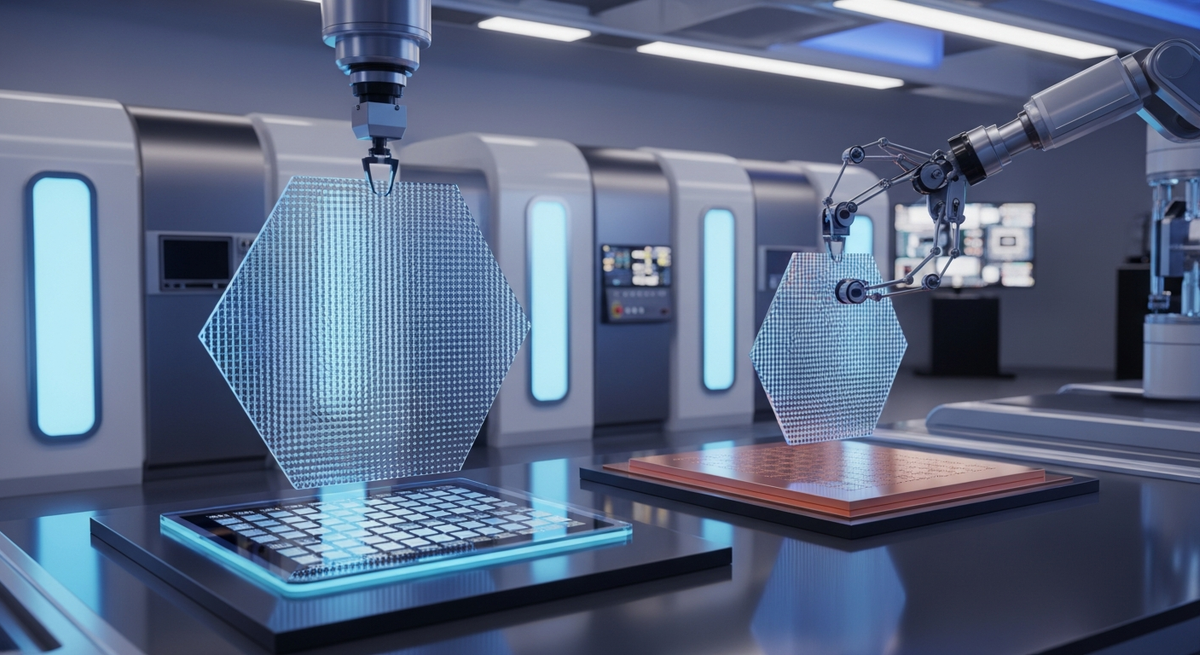
Since its groundbreaking discovery in 2004, graphene has captivated the scientific and engineering communities with its unparalleled properties. This two-dimensional material, a single atomic layer of carbon atoms arranged in a hexagonal lattice, boasts exceptional electrical conductivity, mechanical strength, optical transparency, and thermal stability. Such a unique combination places graphene at the forefront of innovation across diverse sectors, from advanced electronics and optoelectronics to biomedicine and energy storage. The promise of graphene-based devices—such as high-performance supercapacitors, flexible displays, and ultrasensitive sensors—hinges not only on synthesizing high-quality graphene but crucially on its precise integration into functional architectures.
While initial methods like mechanical exfoliation provided the first glimpses into graphene's extraordinary world, they were inherently limited in scalability and control. The advent of Chemical Vapor Deposition (CVD) graphene synthesis revolutionized the field, enabling the production of large-area, high-quality graphene films. CVD typically involves growing graphene on catalytic metal substrates, most commonly copper (Cu) foil or nickel (Ni) foil, at elevated temperatures. However, for most practical applications, graphene cannot remain on its growth substrate. It must be meticulously moved to a target substrate that offers the desired electrical, mechanical, or optical properties for the final device. This necessity introduces the complex, multi-step process known as CVD graphene transfer, a critical bottleneck and a significant challenge in transitioning graphene from laboratory curiosity to industrial reality.
Mastering the CVD graphene transfer process is paramount for unlocking the material’s full commercial potential. The integrity of the graphene film, its cleanliness, and the absence of defects directly dictate the performance and reliability of the resulting devices. This article delves into the intricate details of transferring CVD-grown graphene, highlighting the key steps, common challenges, and the meticulous control required to achieve defect-free, large-area films on diverse target substrates. By understanding and optimizing each phase of the transfer, from initial preparation to final polymer removal, we can bridge the gap between advanced material synthesis and real-world application, paving the way for the next generation of graphene-enabled technologies.
The Imperative of CVD Graphene Transfer: Bridging Synthesis to Application
The journey from synthesizing high-quality graphene to fabricating functional devices is fraught with engineering complexities, none more critical than the CVD graphene transfer process. While methods like epitaxial growth on silicon carbide (SiC) can produce graphene directly on a semiconductor substrate, this approach often comes with significant limitations. SiC wafers are inherently expensive, and their size can restrict large-scale graphene production, making them less viable for many industrial applications. Furthermore, the strong covalent bonding between graphene and the SiC substrate can alter graphene's intrinsic electronic properties, limiting its versatility for applications requiring freestanding or easily manipulated graphene.
In contrast, CVD growth on metallic foils, predominantly copper or nickel, offers a cost-effective and scalable pathway to produce large areas of high-quality graphene. These metal substrates act as catalysts for graphene formation but are generally unsuitable for direct device integration due to their electrical conductivity and opacity. Therefore, the graphene layer must be carefully detached and relocated to a more appropriate target substrate, such such as silicon dioxide (SiO2)/silicon (Si), glass, plastics, or flexible polymers. This transfer step is not merely a logistical requirement; it is a fundamental enabler for a vast array of graphene applications, from transparent conductive films and wearable electronics to biomedical implants and high-frequency transistors.
The challenge lies in executing this transfer without compromising the pristine qualities of the synthesized graphene. Even minor defects, such as cracks, folds, wrinkles, or residues from the transfer process, can severely degrade the electrical, mechanical, and optical performance of the final device. For instance, in supercapacitors, where graphene's large surface area and high electrical conductivity are leveraged, any contamination or structural imperfection can drastically reduce energy storage capacity and cycle life. Similarly, in field-effect transistors, defects can introduce scattering centers, reducing carrier mobility and device speed. Thus, the ability to safely and efficiently transfer large-area CVD graphene films with minimal damage is not just an advantage; it is a prerequisite for the widespread adoption and commercial success of graphene-based technologies.
Understanding CVD Graphene Synthesis and Substrate Preparation
Before delving into the intricacies of CVD graphene transfer, it is essential to appreciate the preceding steps: the synthesis of graphene itself and the preparation of its growth substrate. Chemical Vapor Deposition (CVD) has emerged as the most prominent technique for producing high-quality, large-area graphene films. This process typically involves introducing carbon-containing gases (like methane) into a high-temperature furnace containing a metallic catalyst, usually copper (Cu) foil or nickel (Ni) foil. At temperatures often exceeding 1000°C, the carbon precursors decompose, and carbon atoms dissolve into the metal surface, subsequently precipitating as a single or few-layer graphene film upon cooling.
The quality of the initial metal substrate significantly influences the characteristics of the grown graphene. Copper foil, for instance, is favored for producing monolayer graphene due to its low carbon solubility, which promotes surface-limited growth. The purity, surface roughness, and grain size of the copper foil are critical parameters that directly affect the uniformity, domain size, and defect density of the synthesized graphene. Before CVD, the copper foil often undergoes meticulous cleaning procedures, including chemical etching and annealing, to remove native oxides and surface contaminants, ensuring an atomically flat and clean surface conducive to high-quality graphene growth.
Following graphene synthesis, initial characterization of the graphene film on its growth substrate is crucial. Techniques such as Raman spectroscopy are indispensable for confirming the presence of graphene, determining its layer number, assessing its crystalline quality, and detecting defects. Scanning Electron Microscopy (SEM) and Atomic Force Microscopy (AFM) provide insights into the morphology, uniformity, and surface roughness of the graphene film. These pre-transfer characterization steps are vital for ensuring that the graphene is of sufficient quality before undertaking the complex transfer process, thereby minimizing wasted effort and resources. A well-synthesized and characterized graphene film on its growth substrate lays the foundational groundwork for a successful CVD graphene transfer and subsequent device fabrication.
The Intricacies of Polymer-Assisted Wet Transfer: A Step-by-Step Breakdown
Polymer-assisted wet transfer is the most common method for relocating CVD-grown graphene from its metallic substrate to a target substrate. This process, often referred to by the acronym FRePECTE (Flattening, Reverse-Side Graphene Layer Removal, Polymer Protection, Etching, Cleaning, Transfer, Polymer Elimination), is a multi-stage operation demanding precision at every turn. Each step is designed to preserve the structural integrity and cleanliness of the graphene film, which is paramount for high-performance graphene-based devices.
Flattening is the initial preparatory step. The as-received metal foils, particularly copper foil, may exhibit wrinkles or creases from manufacturing and handling. These imperfections can lead to non-uniform graphene growth and introduce defects during the subsequent transfer steps. Flattening techniques, such as applying gentle pressure or annealing, aim to create a smooth, planar surface, ensuring uniform contact during polymer coating and minimizing stress on the graphene film.
Next is Reverse-Side Graphene Layer Removal. During CVD, graphene can sometimes grow on both sides of the metal foil. The graphene on the reverse side is typically of lower quality and, if not removed, can lead to short circuits or contamination when integrated into electronic devices. This layer is usually eliminated by methods such as oxygen plasma etching or reactive ion etching (RIE), which selectively remove the carbon atoms from the exposed side while the top graphene layer is protected by its adherence to the foil. Careful control of plasma parameters is essential to prevent damage to the desired graphene layer.
Polymer Protection is a critical phase where a sacrificial polymer layer is applied directly onto the CVD-grown graphene. Common polymers include poly(methyl methacrylate) (PMMA), polystyrene (PS), or polycarbonate (PC). This polymer acts as a mechanical support, preventing the delicate single-atom-thick graphene from tearing or crumpling during the subsequent etching and handling steps. The polymer is typically applied via spin-coating, ensuring a uniform film thickness across the entire graphene surface. The choice of polymer and its thickness are crucial, as residues from this layer can significantly impact graphene's electrical properties if not fully removed later.
Following polymer protection, the Etching step involves the selective removal of the metallic growth substrate. For copper foils, common etchants include ferric chloride (FeCl3), ammonium persulfate ((NH4)2S2O8), or dilute nitric acid (HNO3). The polymer-graphene stack is floated on the etchant solution, allowing the metal to dissolve underneath. The etching process must be carefully controlled to ensure complete removal of the metal without over-etching, which could damage the graphene or leave behind etchant residues. The duration of etching can vary from a few minutes to several hours, depending on the etchant concentration and temperature. Once the metal is dissolved, the polymer-graphene film is left floating on the surface of the etchant solution.
Cleaning is arguably one of the most underestimated yet critical steps. After etching, the floating polymer-graphene film is typically transferred through multiple baths of deionized (DI) water to thoroughly rinse away any residual etchant solution and metal ions. Inadequate cleaning can leave behind impurities that degrade graphene's electrical performance and introduce doping effects. Multiple rinsing steps, often with agitation or gentle stirring, are necessary to achieve a clean film. The surface tension of water can pose challenges, potentially causing the delicate film to wrinkle or tear, thus requiring careful handling.
The actual Transfer of the graphene-polymer film to the target substrate involves carefully scooping the floating film from the final DI water bath onto the desired substrate. This can be done by submerging the target substrate underneath the floating film and slowly raising it, allowing the film to gently settle onto the substrate's surface. Alternatively, the film can be carefully lifted and placed. The aim is to ensure uniform contact and prevent the formation of air bubbles or wrinkles, which can lead to localized defects. For large-area transfers, precise mechanical stages are often employed to ensure smooth and controlled placement.
Finally, Polymer Elimination is performed to remove the protective polymer layer, revealing the pristine graphene on the target substrate. This is typically achieved by dissolving the polymer in a suitable solvent, such as acetone or chloroform, followed by thorough rinsing. For PMMA, an annealing step at elevated temperatures (e.g., 200-400°C) in a hydrogen/argon atmosphere is often employed after solvent removal. This annealing helps to further remove any residual polymer fragments and improve the adhesion of graphene to the target substrate, while also repairing minor defects. Complete polymer removal is crucial, as even trace amounts can act as charge traps, significantly affecting graphene's electrical conductivity and carrier mobility, thereby compromising the performance of graphene devices.
Mitigating Defects: Challenges in Graphene Transfer
The ultimate success of CVD graphene transfer hinges on the ability to minimize defects, which remain a persistent challenge across all transfer methodologies. Defects introduced during transfer can drastically compromise the superior properties of graphene, limiting its potential in high-performance applications. The most common types of defects encountered include cracks, folds, wrinkles, tears, and residues from the etchant or protective polymer. Each of these imperfections acts as a scattering site, reducing carrier mobility, increasing sheet resistance, and hindering the overall functionality of graphene-based devices.
Cracks and tears often arise from mechanical stress during handling, particularly when the delicate graphene film is unsupported or subjected to excessive tension. During the wet transfer method, the surface tension of water at the air-water interface can be a significant culprit, causing the floating graphene-polymer film to warp, ripple, or even roll up on itself. This phenomenon is particularly problematic for large-area films, where uniform tension across the entire surface is difficult to maintain. The process of scooping and placing the film onto the target substrate also presents opportunities for mechanical damage if not executed with extreme care and precision.
Folds and wrinkles are another pervasive issue, frequently occurring when the graphene film is not perfectly planar during deposition onto the target substrate. These structural deformations can create localized strain in the graphene lattice, altering its electronic band structure and leading to non-uniform electrical properties. While some minor wrinkles might be annealed out, severe folds can permanently compromise the film's continuity and electrical pathways. The presence of these defects is particularly detrimental in applications requiring transparent conductive films or flexible electronics, where uniform optical and mechanical properties are essential.
Beyond physical damage, chemical contamination from etchant residues or incomplete polymer removal poses a significant threat. Even after rigorous cleaning steps, trace amounts of metal ions or polymer fragments can remain adsorbed onto the graphene surface. These residues can act as charge dopants, altering graphene's Fermi level, or create insulating barriers that impede charge transport. The consequence is often an increase in sheet resistance, reduction in carrier mobility, and instability in device performance over time. Therefore, the selection of etchants, the thoroughness of rinsing, and the efficiency of polymer removal methods are critical factors in achieving defect-free graphene transfer.
While the dry transfer method using adhesive layers (e.g., thermal release tape) can mitigate some of the issues related to surface tension and wet chemistry, it often introduces its own set of challenges, particularly mechanical defects. Dry transfer can yield impressive large-area films, sometimes up to 30 inches on flexible substrates, but it is frequently associated with a higher incidence of cracks and folds due to the mechanical peeling process. The choice between wet and dry transfer often involves a trade-off between different types of defects and the scalability requirements for specific applications, underscoring the ongoing research efforts to develop hybrid or entirely novel transfer techniques that minimize all forms of damage.
Scaling Up: Large-Area Graphene Transfer for Industrial Viability
The promise of graphene extends far beyond laboratory curiosities, reaching into the realm of industrial-scale applications. However, transitioning from centimeter-scale laboratory samples to meter-scale production for commercial products—such as flexible displays, transparent electrodes, or high-capacity supercapacitors—demands highly efficient and reliable CVD graphene transfer methods. The ability to produce large-area, high-quality graphene films is a primary advantage of CVD synthesis on copper (Cu) foil or nickel (Ni) foil, but this advantage is negated if the subsequent transfer process cannot match the scale and throughput.
Traditional batch-based wet transfer methods, while effective for small samples, become cumbersome and prone to defects when scaled up. The manual handling of large, delicate graphene-polymer films in multiple liquid baths introduces a higher probability of tears, wrinkles, and contamination. This limitation has spurred significant research into automated and continuous transfer techniques, with roll-to-roll (R2R) processing emerging as a highly promising solution for industrial viability. R2R transfer adapts the principles of polymer-assisted wet transfer but executes them in a continuous fashion, similar to a printing press, allowing for the rapid processing of long sheets of graphene.
In an R2R setup, a continuous roll of CVD-grown graphene on metal foil is fed through a series of stations that automate the FRePECTE steps. This includes continuous polymer coating, electrochemical or chemical etching of the metal substrate, rinsing, and then precise lamination onto a continuous roll of the target substrate. The final polymer removal can also be integrated into the continuous line. The key advantages of R2R processing are its high throughput, reduced labor costs, and improved uniformity over large areas by minimizing manual intervention and maintaining consistent process parameters. This approach directly addresses the challenge of producing large-scale graphene films required for applications like flexible electronics, where continuous processing is essential.
While R2R transfer offers a compelling vision for industrial graphene production, it is not without its own set of challenges. Maintaining precise tension control across the entire width of the film, ensuring uniform etching and rinsing, and achieving defect-free lamination at high speeds are complex engineering feats. Nevertheless, the continuous development in this area is critical. The ability to consistently transfer 30-inch graphene films or even larger, as demonstrated by some advanced dry transfer techniques, signifies the immense potential for graphene to move from niche applications to mainstream industrial products. Achieving this scale with high quality and low defect rates is the ultimate goal for the commercialization of graphene devices, making scalable CVD graphene transfer a central focus of ongoing research and development.
Beyond Transfer: Ensuring Graphene Device Performance
The meticulous execution of CVD graphene transfer is not an end in itself but a critical gateway to realizing the full potential of graphene-based devices. The quality of the transferred graphene film directly dictates the performance, reliability, and longevity of the final electronic, optoelectronic, or biomedical application. Even after successful transfer, the journey is not complete; comprehensive post-transfer characterization is indispensable to validate the integrity of the graphene and to understand any subtle changes introduced during the process.
Post-transfer Raman spectroscopy is routinely employed to assess graphene's structural quality, layer number, and the presence of defects or residual strain. Shifts in the G and 2D peaks, as well as the intensity of the D peak, provide crucial insights into the material's integrity. Atomic Force Microscopy (AFM) offers high-resolution topographical mapping, revealing surface roughness, wrinkles, folds, and the presence of polymer or etchant residues that might have escaped prior detection. Scanning Electron Microscopy (SEM) is valuable for visualizing larger-scale defects such as cracks or tears and for confirming the uniformity of the transferred film across the entire target substrate.
Critically, the electrical performance of the transferred graphene must be rigorously evaluated. Techniques such as four-point probe measurements or Hall effect measurements are used to determine sheet resistance and carrier mobility. Any increase in sheet resistance or decrease in carrier mobility compared to pristine, as-grown graphene directly indicates the presence of defects, contamination, or doping effects introduced during the transfer process. For example, incomplete removal of the protective polymer can leave an insulating layer that hinders charge transport, while residual metal ions can act as unintentional dopants, shifting the Fermi level and altering the device's electrical characteristics.
The impact of transfer-induced defects and contamination extends profoundly into various applications. In supercapacitors, residues can block active surface sites, reducing capacitance and increasing equivalent series resistance. For field-effect transistors, defects act as scattering centers, dramatically lowering carrier mobility and device switching speeds. In flexible electronics, cracks or tears compromise mechanical robustness and electrical connectivity under bending stress. Therefore, the continuous refinement of CVD graphene transfer protocols, coupled with stringent post-transfer characterization, is essential for ensuring that the extraordinary properties of synthesized graphene translate effectively into high-performing, reliable, and commercially viable graphene devices. This holistic approach, from synthesis to characterization, underpins the advancement of graphene technology.
FAQ: Understanding CVD Graphene Transfer
Q1: What is CVD graphene transfer and why is it necessary?
A1: CVD graphene transfer is the multi-step process of detaching graphene, synthesized via Chemical Vapor Deposition (CVD) on a catalytic metal foil (like copper), and relocating it onto a different, more suitable target substrate for device fabrication. It's necessary because the metal growth substrate is typically unsuitable for direct device integration due to its conductivity, opacity, or lack of desired properties, whereas applications require graphene on insulating, flexible, or transparent materials.
Q2: What are the primary methods for CVD graphene transfer?
A2: The two primary methods are wet transfer and dry transfer. Wet transfer, often polymer-assisted, involves dissolving the metal substrate in an etchant, floating the graphene-polymer film, and then scooping it onto a new substrate. Dry transfer typically uses an adhesive layer (e.g., thermal release tape) to peel graphene from its growth substrate and directly laminate it onto the target substrate. Each method has its advantages and challenges regarding defect generation and scalability.
Q3: What are the main challenges in transferring CVD graphene?
A3: The main challenges include minimizing defects such as cracks, folds, wrinkles, and tears which can arise from mechanical stress or surface tension during the process. Additionally, preventing chemical contamination from etchant residues or incomplete removal of the protective polymer layer is crucial, as these impurities can significantly degrade graphene's electrical and material properties.
Q4: What role does the protective polymer play in wet transfer?
A4: In polymer-assisted wet transfer, a protective polymer layer (e.g., PMMA) is applied onto the graphene before etching the metal substrate. This polymer provides essential mechanical support, preventing the delicate, single-atom-thick graphene film from tearing, wrinkling, or crumbling during the etching process and subsequent handling, ensuring its integrity until it's safely on the target substrate.
Q5: How does the transfer process impact graphene device performance?
A5: The transfer process critically impacts graphene device performance by determining the quality of the final graphene film. Defects like cracks and wrinkles increase sheet resistance and reduce carrier mobility, while chemical residues act as dopants or charge traps, altering electrical characteristics. A poorly executed transfer can significantly degrade the device's functionality, reliability, and efficiency, underscoring the need for meticulous process control.
Conclusion: Precision in CVD Graphene Transfer for a Graphene-Enabled Future
The journey of graphene from a fascinating scientific discovery to a cornerstone of next-generation technology is inextricably linked to the mastery of its fabrication and integration. While CVD graphene synthesis has provided a robust pathway to produce large-area, high-quality films, the subsequent CVD graphene transfer process stands as the most critical and often the most challenging bottleneck. As we have explored, this intricate, multi-step operation—encompassing meticulous substrate preparation, polymer protection, precise etching, thorough cleaning, delicate transfer, and complete polymer elimination—demands an unparalleled level of control and expertise.
Every step in the transfer process carries the potential to introduce defects, whether they are physical imperfections like cracks and wrinkles or chemical contaminants from residual etchants and polymers. These imperfections, however minor, can profoundly impact the electrical, mechanical, and optical properties of the transferred graphene, directly limiting the performance and commercial viability of graphene-based devices. From high-performance supercapacitors and flexible electronics to advanced sensors and transparent conductive films, the success of these innovations hinges on achieving defect-free graphene transfer on a scalable basis.
Ongoing research and development are continually pushing the boundaries of transfer methodologies, with innovations like roll-to-roll processing promising to unlock the potential for industrial-scale graphene production. As the scientific community refines these techniques, the ability to consistently deliver pristine, large-area graphene films will accelerate the widespread adoption of this extraordinary material. At usa-graphene.com, we understand the complexities of CVD graphene transfer and are dedicated to providing the highest quality graphene solutions, empowering researchers and industries to overcome these challenges and build the future with graphene. Explore our advanced graphene materials and expertise to propel your innovations forward today.