Graphene Applications
Graphene Usage in Oil Drilling: Why This Material Matters Undergroundsanity?
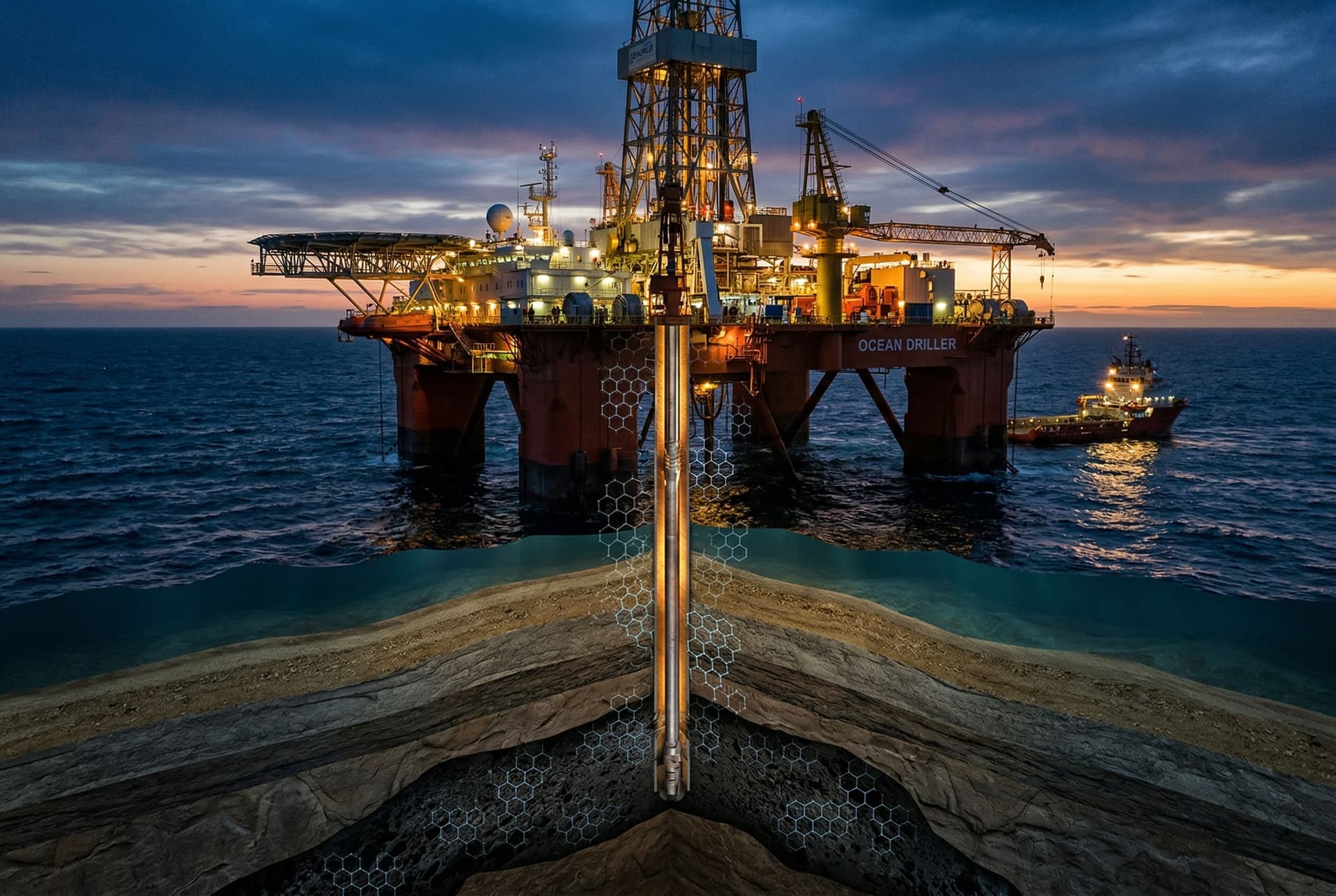
Graphene has moved from laboratory curiosity to a serious engineering candidate in industries that demand extreme performance. Oil drilling is one of those environments. Downhole conditions combine high pressure, high temperature, mechanical stress, chemical exposure, and abrasive solids. In that setting, even a small improvement in friction reduction, durability, thermal management, or fluid stability can translate into meaningful operational gains.
At a basic level, graphene is a single-atom-thick sheet of carbon arranged in a hexagonal lattice. That structure gives it unusual mechanical strength, high surface area, excellent thermal conductivity, and useful electrical properties. Those traits make it attractive for oilfield applications, especially where materials must survive harsh conditions while still performing efficiently.
### 1. Graphene in drilling fluids
One of the most promising uses of graphene is as an additive in drilling fluids. Drilling muds do more than carry cuttings out of the wellbore. They also cool and lubricate the drill string, maintain pressure balance, and help stabilize the borehole. Adding graphene-based nanomaterials can alter fluid behavior in useful ways.
Researchers have investigated graphene and graphene oxide as rheology modifiers, friction reducers, and thermal enhancers. In practice, that means a drilling fluid may flow more predictably, transfer heat better, and generate less drag as it moves through the well. Reduced friction can lower torque and drag on the drill string, which is especially important in directional drilling and extended-reach wells.
A more stable fluid system can also help transport cuttings more effectively. That can improve drilling efficiency and reduce the chance of stuck pipe or other costly interruptions. Because graphene is lightweight and can be engineered at very small concentrations, it offers the possibility of performance gains without drastically changing the base fluid formulation.
### 2. Reducing wear and friction
The drilling process creates constant mechanical contact. Drill bits, pipes, pumps, seals, and rotating components all experience wear. Graphene’s low-friction characteristics make it useful as a lubricant or lubricant additive. When dispersed correctly, graphene sheets can help create smoother contact surfaces and reduce direct metal-to-metal interaction.
This matters because wear is not just a maintenance issue. It affects downtime, replacement costs, and operational reliability. If a graphene-enhanced coating or additive can extend the life of a component, the economic benefit may be substantial, especially in remote or offshore operations where service interruptions are expensive.
There is also interest in graphene-reinforced polymers and composites for parts exposed to abrasion or repeated stress. In those cases, graphene can improve mechanical properties such as tensile strength, fatigue resistance, and hardness. That makes it useful for seals, liners, hoses, and protective coatings used in drilling and completion systems.
### 3. Thermal management in extreme environments
Downhole environments can become very hot, and heat affects everything from equipment reliability to sensor performance. Graphene’s exceptional thermal conductivity makes it appealing for managing localized heat in drilling tools and related hardware.
In coatings or composite materials, graphene can help spread heat more evenly and reduce hotspots. That can protect sensitive electronics, improve the longevity of downhole instrumentation, and support more consistent performance under thermal stress. In a broader sense, better thermal management can also improve the durability of drilling fluids and elastomeric components.
### 4. Electrical and sensing applications
[4/5/26, 8:06:23 PM] Raimis: Oil drilling is increasingly data-driven. Operators want more accurate real-time information from the wellbore to guide decisions and reduce risk. Graphene’s electrical properties make it useful in sensor development, conductive composites, and monitoring systems.
Graphene-based sensors may be used to detect pressure, strain, chemical exposure, or temperature changes. In advanced drilling systems, that could enable earlier detection of wear, leakage, or formation changes. While many of these applications are still under development, they point to a broader role for graphene in smart oilfield technologies.
### 5. Barrier coatings and corrosion resistance
Corrosion is another major challenge in oilfield operations. Fluids, salts, gases, and temperature cycling can all degrade metal surfaces over time. Graphene can improve barrier properties when incorporated into coatings, making it harder for corrosive species to penetrate protective layers.
A well-designed graphene coating may slow moisture and ion diffusion, improving corrosion resistance on pipes, tanks, tools, and structural components. That can reduce maintenance frequency and improve asset life. In offshore environments, where corrosion risk is especially high, this kind of protection is particularly valuable.
### 6. Challenges to practical adoption
Despite the promise, graphene is not a magic solution. Real-world deployment depends on cost, dispersion stability, compatibility with existing fluids, long-term durability, and the ability to manufacture materials consistently at scale.
Nanomaterials can clump together if they are not properly dispersed, which can reduce performance and create unpredictable behavior. Oilfield formulations must be engineered carefully to ensure that graphene remains stable under shear, temperature, salinity, and pressure. There is also a need for field data, not just lab results, to prove that the material delivers value across varied drilling conditions.
Regulatory and environmental questions matter too. Any additive used in large-scale drilling must be evaluated for safety, handling, and disposal. As with most emerging materials, adoption tends to move from lab demonstration to niche pilot projects before becoming broadly commercial.
### 7. Where graphene is most likely to add value first
Graphene is most likely to succeed in applications where its benefits are easy to measure and where incremental improvements have clear financial value. That includes:
• friction-reduction additives in drilling and completion fluids
• wear-resistant coatings for tools and pipes
• thermally conductive composites for harsh environments
• advanced sensors and conductive components
• corrosion-resistant surface treatments
These are all areas where a modest material improvement can produce a meaningful operational benefit.
### Conclusion
Graphene’s role in oil drilling is still evolving, but the fit is obvious. Oilfield operations demand materials that are strong, durable, thermally stable, and efficient under stress. Graphene offers a combination of properties that could improve drilling fluids, reduce wear, support monitoring systems, and extend the life of critical equipment.
The most practical near-term applications will likely be targeted and incremental rather than transformational. But that is often how important industrial materials succeed: one useful problem at a time. In oil d