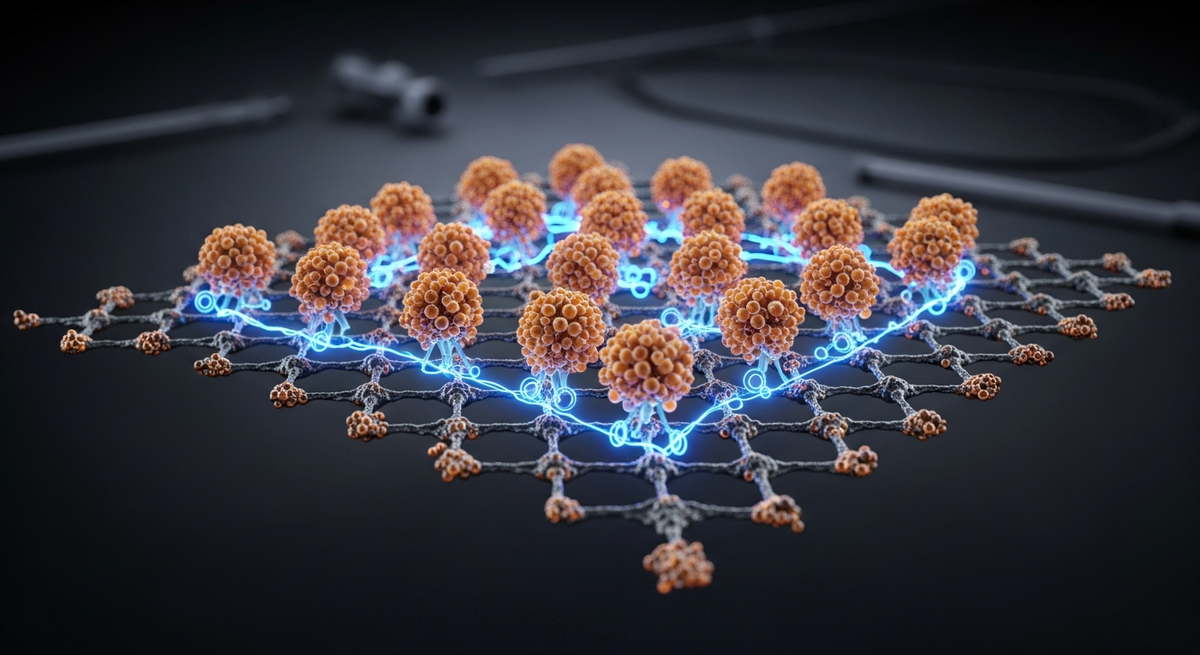
Graphene/TiO2 Nanocomposites: Unlocking Advanced Photocatalysis and Sustainable Technologies
In the relentless pursuit of innovative solutions for global environmental challenges and renewable energy demands, the synergy between advanced materials stands paramount. Among these, Graphene/TiO2 nanocomposites have emerged as a groundbreaking class of materials, captivating the attention of materials scientists and engineers worldwide. By combining the unparalleled properties of two-dimensional (2D) graphene with the renowned photocatalytic capabilities of titanium dioxide (TiO2), researchers are forging pathways to unprecedented performance in areas ranging from pollution degradation to advanced energy conversion systems. The unique electrical, mechanical, and surface characteristics of graphene act as a powerful accelerator, transforming the limitations of traditional TiO2 into a robust, highly efficient photocatalytic powerhouse.
Titanium dioxide has long been recognized for its high photocatalytic activity, cost-effectiveness, low toxicity, and long-term stability, making it a cornerstone material for diverse applications. However, its inherent limitations, primarily a large band gap energy of approximately 3.0 eV for rutile and 3.2 eV for anatase, restrict its light absorption to the narrow ultraviolet (UV) spectrum. This constraint is significant, considering UV light constitutes less than 5% of the total solar energy, severely limiting TiO2's practical efficiency in harnessing solar power. The strategic hybridization of TiO2 with graphene directly addresses this critical drawback, unlocking a broader spectrum of light absorption and significantly enhancing overall photocatalytic efficiency through a sophisticated interplay of electronic and surface phenomena.
Precision Engineering: Key Synthesis Routes for Graphene/TiO2 Nanocomposites
The effective integration of graphene with titanium dioxide nanoparticles hinges on precise synthesis methodologies that ensure optimal interfacial contact and material properties. Over the past decade, a diverse array of techniques has been developed, each offering unique advantages in controlling the morphology, crystallinity, and dispersion of the resultant Graphene/TiO2 nanocomposites. These methods aim to maximize the synergistic benefits derived from both components, critical for achieving superior photocatalytic performance. Understanding these synthesis routes is fundamental to tailoring nanocomposites for specific applications, from environmental remediation to energy generation.
Solvothermal and Hydrothermal Methods
Among the most widely adopted techniques for fabricating Graphene/TiO2 nanocomposites are the solvothermal and hydrothermal methods. These processes operate under carefully controlled temperature and pressure conditions, facilitating the simultaneous reduction of graphene oxide (GO) and the deposition of TiO2 nanoparticles onto the carbon substrate. A pioneering study by Hao Zhang et al. demonstrated a simple, one-step hydrothermal procedure where GO and commercial P25 (a common TiO2 photocatalyst) were dispersed in a water–ethanol solution. This mixture was then heated in an autoclave at 120°C for 3 hours, leading to the formation of a chemically bonded P25-reduced GO (RGO) photocatalyst, exhibiting enhanced adsorptivity, extended light absorption, and superior charge separation properties compared to pristine TiO2.
Further advancements in hydrothermal synthesis have explored various titanium precursors and conditions. Zeng et al., for instance, utilized titanium(IV) sulfate(VI) (Ti(SO4)2) as a TiO2 precursor, dissolving it in distilled water and mixing it with cetyl trimethylammonium bromide (CTAB) and varying GO contents. This mixture underwent hydrothermal treatment at 100°C for an extended period of 72 hours, followed by calcination at 500°C in nitrogen to achieve the desired anatase phase of TiO2. Similarly, Md. Shah et al. developed a one-step hydrothermal reaction using titanium(IV) chloride (TiCl4) as a substrate, notably without the need for reducing agents or surfactants. This method simultaneously achieved hydrolysis of TiCl4 and mild reduction of GO, yielding photocatalysts containing both anatase and rutile phases, with optimal performance observed at a 2.0 wt% RGO concentration for rhodamine B degradation. Other precursors, such as tetrabutyl titanate (Ti(OC4H9)4) and peroxotitanium acid (Ti(OH)y(OOH)z), have also been successfully employed, alongside investigations into different titania morphologies like nanowires versus nanoparticles, highlighting the versatility of these techniques.
Sol-Gel Methods
The sol-gel process represents another highly versatile and widely utilized method for synthesizing Graphene/TiO2 nanocomposites, particularly favored for its ability to control particle size, morphology, and crystallinity at relatively low temperatures. This method typically involves the hydrolysis and condensation of titanium alkoxide precursors, such as titanium tetraisopropoxide (TTIP) or titanium tetrachloride (TiCl4), in a solvent to form a colloidal suspension (sol). Graphene oxide (GO) is often introduced into this sol, either before or during the gelation phase. As the sol transitions into a gel, the TiO2 nanoparticles nucleate and grow in situ, often encapsulating or distributing themselves intimately with the GO sheets.
The subsequent steps involve aging, drying, and calcination of the composite gel. During calcination, typically performed at temperatures ranging from 300°C to 500°C, the GO is simultaneously reduced to RGO, and the TiO2 phase crystallization (e.g., anatase) is promoted. This process facilitates strong interactions between the TiO2 and RGO, often forming chemical bonds or strong interfacial contacts crucial for efficient charge transfer. The sol-gel method offers excellent control over the stoichiometry and homogeneity of the composite, allowing for fine-tuning of the material's properties for specific photocatalytic applications by adjusting pH, temperature, precursor concentration, and the GO content.
Other Methods and Comodification Approaches
Beyond hydrothermal and sol-gel techniques, a variety of other synthesis methods have been explored for Graphene/TiO2 nanocomposites, each contributing to the diverse landscape of fabrication. These include hydrolysis, impregnation, and liquid-phase deposition, among others. Hydrolysis typically involves the controlled precipitation of TiO2 precursors in the presence of graphene, while impregnation techniques involve soaking graphene in a TiO2 precursor solution, followed by drying and calcination. Liquid-phase deposition offers a pathway for forming thin films or coatings, critical for certain device applications.
Furthermore, researchers have investigated the comodification of TiO2 with graphene and other compounds to further enhance photocatalytic performance. This approach often involves incorporating additional materials such as noble metals (e.g., Ag, Au, Pt), other metal oxides (e.g., SnO2, WO3), metal salts, or various semiconductors into the Graphene/TiO2 nanocomposites. These additional components can serve multiple roles, including acting as co-catalysts, improving light absorption, enhancing charge separation, or providing additional active sites. For instance, noble metals can act as electron sinks, further inhibiting electron-hole recombination, while certain semiconductors can form heterojunctions that broaden the light absorption range and accelerate charge transfer kinetics, pushing the boundaries of photocatalytic efficiency even further.
Deep Dive into Mechanism: How Graphene Boosts TiO2 Photocatalytic Activity
The remarkable enhancement in photocatalytic activity observed in Graphene/TiO2 nanocomposites is not merely additive but stems from a profound synergistic interaction at the electronic and structural levels. Graphene's unique properties fundamentally alter the photophysical and photochemical behavior of TiO2, addressing its inherent limitations and unlocking its full potential under broader light spectra. This intricate mechanism involves several key factors, primarily focusing on charge carrier dynamics, band gap engineering, and surface chemistry.
One of the most critical contributions of graphene is its exceptional electrical conductivity and high electron mobility. Upon light absorption, TiO2 generates electron-hole pairs. In pristine TiO2, these photogenerated charge carriers often rapidly recombine, diminishing photocatalytic efficiency. However, in the presence of graphene, the excited electrons from the conduction band of TiO2 are efficiently transferred to the surface of graphene. Graphene acts as an effective electron acceptor and transporter, significantly improving the separation of electron–hole pairs and preventing their recombination. This enhanced charge separation leads to a higher concentration of available electrons and holes, which can then participate in redox reactions, driving the photocatalytic degradation of pollutants or the generation of hydrogen.
Beyond charge separation, the conjugation of TiO2 with graphene also influences its band gap energy. Graphene's presence can induce a decrease in the effective band gap energy of the TiO2 composite, consequently shifting the absorption threshold to the visible light region. This crucial modification allows the Graphene/TiO2 nanocomposites to utilize a much larger portion of the solar spectrum, moving beyond the mere <5% offered by UV light. The electronic interaction and potential formation of heterojunctions at the graphene-TiO2 interface facilitate this band gap narrowing, enabling more efficient harvesting of solar energy. This visible light activity is a game-changer for practical applications, making these materials highly attractive for sustainable technologies.
Furthermore, graphene's exceptionally high surface area and high adsorption capacities play a vital role in enhancing photocatalytic performance. Graphene acts as an amazing nanocarrier, providing numerous active sites for the adsorption of guest molecules, including pollutants or reactants for hydrogen generation. The strong π–π interactions between graphene and organic molecules can significantly increase the amount of surface-adsorbed chemical species, bringing them into close proximity with the photogenerated charge carriers on the TiO2 surface. This enhanced adsorption not only increases the local concentration of reactants but also facilitates more efficient and rapid degradation or conversion processes, contributing significantly to the overall photocatalytic efficiency of the Graphene/TiO2 nanocomposites.
Transformative Applications: Where Graphene/TiO2 Nanocomposites Excel
The multifaceted advantages of Graphene/TiO2 nanocomposites—including enhanced photocatalytic activity, broader light absorption, and superior charge separation—translate into a wide array of transformative applications across environmental remediation and renewable energy sectors. These materials are at the forefront of developing sustainable solutions to some of the most pressing global challenges, offering high efficiency and long-term stability in diverse operating conditions. Their versatility stems from the tunable properties achieved through various synthesis routes and modifications, making them adaptable for specialized uses.
Photodegradation of Organic Pollutants and Microorganisms
One of the most impactful applications of Graphene/TiO2 nanocomposites lies in the photodegradation of organic pollutants and microorganisms in water and air. Traditional methods for treating industrial wastewater and contaminated air often involve high energy consumption or produce secondary pollutants. Graphene/TiO2 photocatalysts offer a green alternative, utilizing light energy to break down a wide range of persistent organic pollutants, such as dyes (e.g., rhodamine B), pharmaceuticals, pesticides, and industrial chemicals, into benign byproducts like CO2 and H2O. The enhanced electron-hole separation and increased visible light absorption of these nanocomposites mean faster and more complete degradation rates compared to pristine TiO2, even under ambient sunlight. Moreover, the strong oxidizing power generated by the photocatalytic process is highly effective in inactivating bacteria, viruses, and other pathogenic microorganisms, providing a robust solution for water purification and sterilization applications.
Hydrogen Generation
The quest for clean and renewable energy sources has highlighted hydrogen as a promising fuel, and Graphene/TiO2 nanocomposites are proving to be excellent catalysts for hydrogen generation through water splitting. Utilizing solar energy to split water into hydrogen and oxygen is a highly attractive method for producing clean fuel. The challenge lies in developing photocatalysts that can efficiently absorb sunlight and effectively separate the photogenerated charge carriers to drive the water reduction reaction. Graphene's role as an electron highway in the nanocomposite significantly boosts the efficiency of this process by minimizing electron-hole recombination, ensuring that more electrons are available for the reduction of protons into hydrogen gas. This leads to higher hydrogen evolution rates and improved quantum efficiency, paving the way for scalable and economically viable hydrogen production technologies.
CO2 Conversion into Fuels
Addressing climate change requires innovative approaches to reduce atmospheric CO2 levels, and the photocatalytic conversion of carbon dioxide into valuable fuels or chemicals is a highly promising avenue. Graphene/TiO2 nanocomposites are being explored for their potential in reducing CO2 into hydrocarbons (e.g., methane, methanol) or other useful compounds using solar energy. The broad light absorption range and efficient charge transfer properties of these composites make them ideal candidates for driving the complex multi-electron reduction reactions required for CO2 conversion. Graphene enhances the adsorption of CO2 molecules onto the catalyst surface and facilitates the transfer of electrons needed for the reduction process, thereby increasing the yield and selectivity of desired products. This technology offers a dual benefit: mitigating greenhouse gas emissions while simultaneously producing renewable fuels.
Dye-Sensitized Solar Cells (DSSCs)
In the realm of solar energy harvesting, Graphene/TiO2 nanocomposites are making significant strides as advanced electrode materials for Dye-Sensitized Solar Cells (DSSCs). DSSCs are a type of low-cost solar cell that mimics photosynthesis, converting light into electricity. The efficiency of DSSCs heavily relies on the electron injection from the dye to the TiO2 semiconductor and the subsequent electron transport to the external circuit. By incorporating graphene into the TiO2 photoanode, several improvements are realized. Graphene's high electrical conductivity enhances the electron transport rate, reducing charge recombination within the TiO2 layer and at the TiO2/electrolyte interface. Furthermore, the high surface area of graphene can increase the loading of dye molecules, leading to greater light absorption. These combined effects result in higher power conversion efficiencies and improved stability for DSSCs, marking a significant step towards more efficient and cost-effective solar energy solutions.
The Future of Sustainable Technology: Graphene/TiO2 Integration
The journey into the realm of Graphene/TiO2 nanocomposites reveals a landscape rich with scientific innovation and transformative potential. From their intricate synthesis pathways, spanning solvothermal, hydrothermal, and sol-gel methods, to their profound mechanistic advantages in charge separation and visible light absorption, these materials represent a paradigm shift in advanced photocatalysis. The ability to precisely engineer their properties through various fabrication techniques and comodification strategies underscores their versatility and immense promise for future sustainable technologies.
As we look ahead, the continued research and development in Graphene/TiO2 nanocomposites are poised to deliver even more sophisticated solutions for environmental remediation, renewable energy generation, and advanced material applications. The synergistic interplay between graphene's extraordinary electronic and surface properties and TiO2's photocatalytic capabilities provides a robust platform for addressing global challenges. For industries and researchers aiming to push the boundaries of materials science and sustainable innovation, exploring the potential of graphene-based solutions is not merely an option, but a strategic imperative. Discover how usa-graphene.com is leading the charge in providing high-quality graphene materials for these cutting-edge applications, enabling the next generation of photocatalysts and beyond.
SEO FAQ Section
What are Graphene/TiO2 nanocomposites and why are they important?
Graphene/TiO2 nanocomposites are hybrid materials combining two-dimensional graphene with titanium dioxide nanoparticles. They are important because graphene significantly enhances TiO2's photocatalytic activity by improving electron-hole separation, expanding light absorption to the visible spectrum, and increasing surface area for reactions. This makes them highly effective for environmental remediation and renewable energy applications.
How does graphene enhance the photocatalytic activity of TiO2?
Graphene enhances TiO2's photocatalytic activity primarily by acting as an efficient electron acceptor and transporter. When TiO2 absorbs light and generates electron-hole pairs, electrons rapidly transfer to the graphene surface, preventing their recombination. This leads to a higher concentration of available charge carriers for redox reactions, alongside a decrease in TiO2's band gap energy, allowing for visible light absorption.
What are the main synthesis methods for Graphene/TiO2 nanocomposites?
The main synthesis methods include solvothermal and hydrothermal processes, which involve simultaneous GO reduction and TiO2 deposition under controlled temperature and pressure. Sol-gel methods are also prevalent, using hydrolysis and condensation of titanium precursors with GO incorporation, followed by calcination. Other techniques like hydrolysis, impregnation, and liquid-phase deposition are also employed, often with additional comodification for optimized performance.
What are the primary applications of Graphene/TiO2 nanocomposites?
Graphene/TiO2 nanocomposites have diverse primary applications, including the photodegradation of organic pollutants and microorganisms in water and air, where they efficiently break down contaminants. They are also crucial for hydrogen generation through photocatalytic water splitting, CO2 conversion into renewable fuels, and enhancing the efficiency and stability of Dye-Sensitized Solar Cells (DSSCs) by improving electron transport.
Why is visible light absorption critical for Graphene/TiO2 photocatalysts?
Visible light absorption is critical because ultraviolet (UV) light constitutes less than 5% of the total solar energy. By shifting the absorption threshold of TiO2 to the visible light region, Graphene/TiO2 nanocomposites can utilize a much larger portion of the solar spectrum. This dramatically increases their efficiency and practicality for solar-driven applications, making them more effective and sustainable for real-world use under natural sunlight.