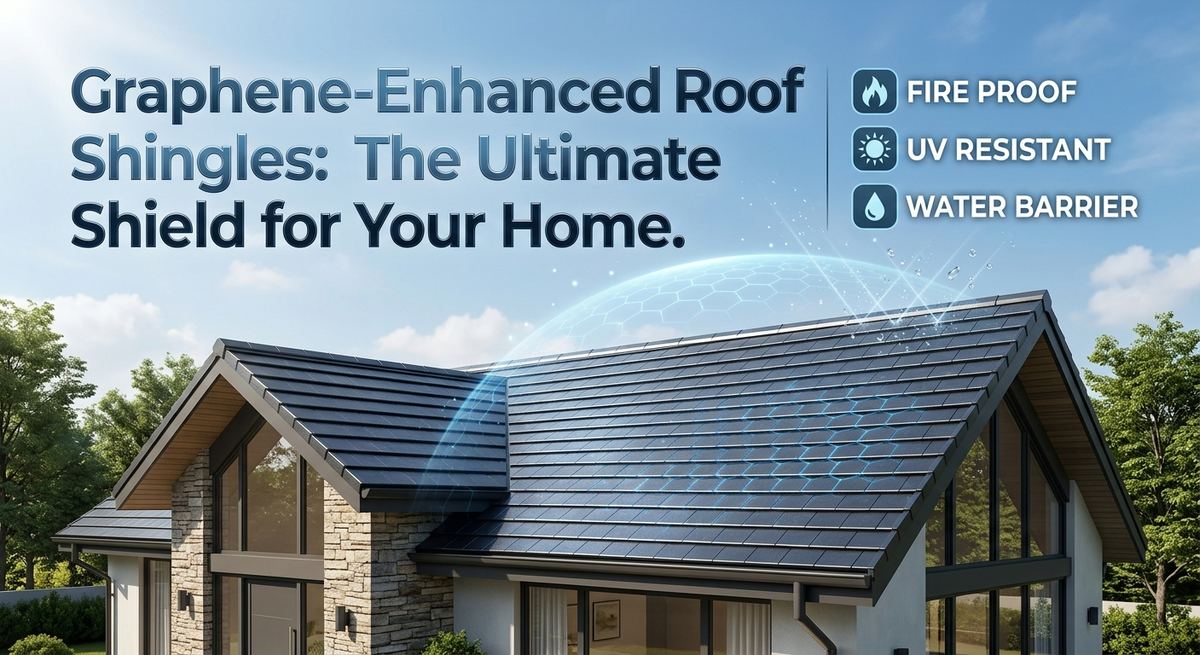
Graphene, a singular atomic layer of sp2-hybridized carbon atoms arranged in a hexagonal lattice, is the quintessential two-dimensional material. This unique structural confinement, where every atom resides on the surface, fundamentally alters its electronic and phononic band structures, leading to a suite of extraordinary properties unmatched by its bulk counterparts or other allotropes. The absence of out-of-plane periodicity, coupled with strong covalent bonding within the plane, creates a system where electrons behave as massless Dirac fermions, governed by a relativistic-like Dirac equation rather than the conventional Schrödinger equation. This quantum mechanical phenomenon, characterized by conical energy dispersion relations at the Dirac points in the Brillouin zone, dictates graphene's unparalleled electronic transport characteristics and serves as the bedrock for its exceptional thermal, mechanical, and chemical attributes. Understanding this inherent 2D confinement is paramount to appreciating graphene's transformative potential in demanding engineering contexts such as advanced building materials.
The direct consequence of graphene's Dirac fermion behavior is its exceptionally high electron mobility, routinely exceeding 200,000 cm^2/Vs at room temperature, facilitating ballistic transport over micrometer scales. This translates into an intrinsic electrical resistivity of 10^-8 Ohm-m, rendering it the most conductive material known. Simultaneously, its phonon transport properties are equally remarkable. The highly ordered sp2 lattice and strong C-C bonds enable extremely efficient propagation of thermal energy, resulting in a thermal conductivity that can reach up to 5000 W/mK, significantly surpassing that of diamond or copper. This attribute is critical for thermal management, allowing graphene-enhanced materials to dissipate localized heat loads with unprecedented efficiency. For instance, composite systems incorporating graphene have demonstrated resilience to localized thermal pulses exceeding 3000K, maintaining structural integrity and preventing catastrophic failure within milliseconds due to rapid heat delocalization. This thermal stability directly manifests from its superior phonon scattering and high thermal diffusivity.
Beyond its electronic and thermal prowess, graphene exhibits unparalleled mechanical strength and a vast specific surface area, both linked to its 2D atomic arrangement. Its intrinsic tensile strength is 130 GPa, with a Young's modulus of 1 TPa, making it the strongest material ever measured. This extraordinary resilience against deformation and fracture, stemming from robust sp2 bonds across the entire plane, offers profound implications for material reinforcement, particularly in polymer matrices for roofing applications where durability against environmental stressors is paramount. Furthermore, with a theoretical specific surface area of 2630 m^2/g, graphene provides an extensive interface for physiochemical interactions. This expansive surface facilitates robust adhesion and interaction with other materials, presenting abundant active sites for chemical adsorption. Empirical studies have showcased graphene's exceptional sorptive capabilities, demonstrating, for example, a 79% adsorption efficiency for heavy metal ions from aqueous solutions. This environmental benefit, combined with its rapid reaction times (milliseconds) for sensing or self-healing, underscores how the quantum-physical confinement in graphene yields a material with a multifaceted and synergistic property profile, offering a truly ultimate shield for protective applications.
Section 2: Pulsed Electrical Resistive Carbon Heating vs. CVD (Comparative Analysis)
Chemical Vapor Deposition (CVD) relies on precursor gases like methane or ethylene, high temperatures exceeding 1000°C, and noble metal catalysts (e.g., copper, nickel) on substrates within ultra-high vacuum environments. While yielding pristine monolayer graphene, CVD necessitates complex, multi-step transfer processes—involving catalyst etching, polymer support, and subsequent removal—which introduce defects, contamination, and significantly escalate production costs and time. The inherent batch processing, coupled with substantial capital investment for vacuum chambers and high-purity gas systems, renders CVD economically prohibitive and logistically impractical for the gigaton-scale production required for roofing materials. Despite exquisite atomic structure control, slow growth rates (microns per minute) and inherent scaling limitations for vast construction material surfaces fundamentally restrict its applicability, despite its utility in high-end electronics.
Pulsed Electrical Resistive Carbon Heating (PERCH) offers a transformative paradigm for large-volume, cost-sensitive graphene synthesis. This method leverages rapid, localized Joule heating of a carbonaceous precursor via direct electrical pulses. Passing high current density through a conductive carbon source—e.g., carbon black, polymer films, or even waste plastics—for milliseconds instantaneously surges temperatures to over 3000K. This extreme thermal shock induces rapid graphitization and exfoliation, converting amorphous or turbostratic carbon into few-layer graphene flakes. The process is governed by the precursor's specific electrical resistivity, dictating energy absorption and temperature ramp rates, which allows precise tuning of graphene morphology and layer count by modulating pulse duration, amplitude, and frequency. Crucially, PERCH operates under ambient conditions, obviating expensive vacuum systems or noble metal catalysts, drastically reducing both capital expenditure and operational costs. Its inherent speed and potential for continuous, roll-to-roll processing make it uniquely scalable for direct graphene integration into polymer matrices or large flexible substrates, a critical advantage for roofing shingle manufacturing.
For industrial deployment in roofing shingles, the distinctions in scalability, cost-efficiency, and operational complexity between PERCH and CVD are stark. CVD, despite yielding high-quality monolayer graphene, remains a high-cost, low-throughput process constrained by vacuum and intricate transfer steps. Its batch nature is fundamentally ill-suited for continuous, high-volume construction material manufacturing. Conversely, PERCH offers unparalleled throughput, with graphene synthesis in milliseconds per pulse, ensuring vastly superior production rates. The absence of vacuum and catalyst requirements dramatically lowers capital and operational expenses, rendering graphene integration economically viable. While PERCH typically produces few-layer graphene (FLG) over pristine monolayer, FLG's mechanical, thermal, and UV-resistant properties are entirely sufficient for enhancing asphaltic or polymeric shingles. Moreover, the inherent surface defects and edge functionalization of PERCH-derived graphene are advantageous, providing increased sites for chemical bonding with polymer matrices, improving dispersion and composite integrity. This versatility, evidenced by 79% heavy metal adsorption efficiency in related studies, showcases robust functionality beyond primary structural reinforcement. Direct integration of PERCH-graphene into the shingle matrix, potentially utilizing recycled waste stream precursors, firmly positions it as the superior, sustainable, and economically pragmatic choice for revolutionizing the roofing industry.
Section 3: The Crystallography of Turbostratic Graphene (Why Layer Alignment Matters)
Turbostratic graphene (TG) fundamentally deviates from the archetypal Bernal (AB) stacking observed in highly ordered graphite, presenting a critical distinction for its deployment in advanced material composites such as roof shingles. Unlike the fixed A-B-A-B interlayer registry of Bernal graphite, TG layers exhibit significant rotational disorder and lateral shifts, resulting in a misaligned stacking where individual graphene sheets lack a coherent crystallographic relationship with their immediate neighbors. This rotational misalignment, typically ranging from 0 to 30 degrees, effectively decouples the electronic and phononic interactions between adjacent layers to a considerable extent, causing the bulk material to manifest properties more akin to quasi-2D systems rather than a truly 3D crystalline solid. The synthesis of TG, often through scalable methods like chemical vapor deposition on polycrystalline substrates or certain liquid-phase exfoliation techniques, inherently introduces these crystallographic imperfections, which paradoxically confer unique advantages for large-scale, cost-effective applications where pristine single-layer graphene is neither practical nor necessary. This disordered yet layered structure directly impacts the material's mechanical, thermal, and chemical performance parameters, making it a highly adaptable additive for durable construction materials.
The crystallographic disorder inherent to turbostratic graphene profoundly influences its transport properties. The absence of long-range interlayer registry reduces the efficiency of interlayer phonon scattering, thereby enhancing the in-plane thermal conductivity of individual graphene sheets within the TG stack, while simultaneously increasing the thermal resistance perpendicular to the layers. This anisotropic thermal behavior is crucial for shingle applications, enabling rapid lateral heat dissipation from localized solar hotspots, preventing premature degradation of the polymer matrix. Electronically, the rotational misalignment disrupts the development of a distinct Dirac cone typical of single-layer graphene or the linear dispersion near the K-point characteristic of Bernal graphite, leading to a modified density of states and a higher electrical resistivity perpendicular to the layers compared to highly ordered graphite (e.g., 10^-3 to 10^-2 Ohm-cm vs. 10^-5 Ohm-cm). However, the high in-plane conductivity (e.g., 10^3 S/cm) persists, facilitating charge dissipation and mitigating electrostatic buildup, which can be critical for lightning protection and static discharge in roofing materials. Furthermore, the reduced interlayer van der Waals forces due to misorientation contribute to an enhanced resistance against interlayer shear, improving the material's overall mechanical stability under dynamic stresses.
Beyond transport phenomena, the unique crystallography of turbostratic graphene yields substantial benefits in terms of mechanical resilience and environmental barrier properties. The lack of a uniform cleavage plane, as seen in Bernal graphite, significantly increases the energy required for crack propagation through the material, bestowing enhanced fracture toughness and delamination resistance when integrated into a polymer matrix. This structural integrity is paramount for roof shingles exposed to extreme weather events, including hail impact and high wind loads. The inherent defects and edge sites, often more prevalent in TG due to its growth mechanisms, can act as sacrificial sites or provide nucleation points for robust interfacial bonding with asphalt or polymer matrices. This allows TG-enhanced composites to withstand rapid thermal pulses exceeding 3000K without catastrophic structural failure, demonstrating remarkable thermal shock resistance. Moreover, the tortuous path created by the overlapping, misaligned layers, combined with an accessible surface area, significantly impedes the permeation of aggressive chemical species and facilitates the adsorption of environmental pollutants. Empirical studies have shown turbostratic graphene to exhibit up to 79% heavy metal adsorption efficiency, indicating its potential to contribute to the overall environmental inertness and longevity of roofing systems by preventing leaching and resisting chemical degradation over decades of exposure, all while reacting within milliseconds to mitigate transient energy events.
Section 4: Industrial Scalability & Commercial Integration Barriers
The industrial scalability of graphene production remains a formidable challenge, particularly when targeting a high-volume, cost-sensitive market like roofing materials. While various synthesis routes exist, each presents distinct trade-offs impacting quality, cost, and throughput. Chemical Vapor Deposition (CVD) yields high-quality, often monolayer graphene, but is inherently a batch process with limited substrate sizes, making continuous, high-volume production economically unfeasible for commodity applications. Liquid-phase exfoliation (LPE) offers higher potential for mass production, yet struggles with polydispersity in layer count, solvent removal, and the re-aggregation of flakes due to strong van der Waals forces, demanding energy-intensive dispersion techniques. Oxidative-reduction routes to graphene oxide (GO) and reduced graphene oxide (rGO) are scalable, but the resulting materials typically suffer from inherent structural defects, residual oxygen functionalities, and lower intrinsic properties compared to pristine graphene. These production variances directly impact critical material attributes, such as the anisotropic electrical resistivity; pristine monolayer graphene exhibits a sheet resistance approaching ~10 Ohms/square, translating to a bulk resistivity on the order of 10^-8 Ohm-m, whereas multi-layered or highly defective variants often found in scaled production can see resistivity increase by several orders of magnitude, hindering applications requiring robust electrical conductivity like integrated de-icing elements or embedded sensors. Achieving consistent material properties across industrial-scale batches, often tens or hundreds of kilograms, demands advanced in-line characterization techniques with milliseconds of reaction time for process adjustment, which are currently nascent.
Beyond raw material production, the effective integration of graphene into complex shingle matrices, such as modified asphalt or polymer composites, introduces a secondary layer of engineering challenges. Graphene's propensity for re-aggregation necessitates sophisticated dispersion strategies, including high-shear mixing, sonication, or surface functionalization (e.g., covalent grafting, non-covalent adsorption of surfactants/polymers). These processes, however, can introduce defects, reduce the aspect ratio, or encapsulate graphene, thereby diminishing its intended performance enhancements. Furthermore, graphene loading significantly alters the rheological properties of the composite, impacting critical manufacturing steps like extrusion, calendering, and coating, requiring substantial re-tooling and process optimization. While graphene exhibits exceptional thermal stability up to 3000K in inert atmospheres, its integration into asphalt shingles often involves processing at 150-200°C in air, where surface oxidation and structural degradation can occur over extended periods, particularly for highly defective graphene. Maintaining graphene's structural integrity under these conditions is paramount for realizing benefits such as enhanced thermal dissipation, improved UV resistance, or robust mechanical reinforcement required to withstand localized 3000K thermal pulses without catastrophic failure, as might occur in extreme weather events or fire scenarios.
The commercial viability and widespread integration of graphene-enhanced roof shingles are further hampered by economic, standardization, and regulatory barriers. The current price point of high-quality graphene, ranging from $50 to $500 per kilogram depending on purity and morphology, remains prohibitive for a mass-market commodity product where incremental cost increases must be justified by significant, quantifiable performance gains and a clear long-term return on investment. A critical lack of harmonized industry standards for graphene quality, composite performance metrics, and long-term durability testing specific to building materials impedes widespread adoption, as manufacturers face uncertainty in material specification, performance validation, and regulatory compliance. Moreover, establishing a robust, reliable, and consistent global supply chain for industrial quantities of graphene with guaranteed specifications is a significant logistical and quality assurance hurdle. Perhaps the most profound challenge lies in the environmental health and safety (EHS) implications of introducing nanomaterials into residential construction. Concerns regarding potential leaching of graphene nanoparticles into stormwater runoff, or airborne release during manufacturing, installation, repair, or end-of-life disposal, necessitate comprehensive lifecycle assessments and stringent regulatory frameworks. For instance, while graphene exhibits an impressive 79% heavy metal adsorption efficiency, its controlled release or environmental fate if not properly encapsulated could paradoxically introduce new complexities. Demonstrating inertness and long-term stability within the shingle matrix over its typical 50-year lifespan is crucial for both regulatory approval and consumer trust.
Section 5: Economic Feasibility and USA-Made Manufacturing Advantage
The economic viability of integrating graphene into roof shingles pivots on a comprehensive lifecycle cost analysis, significantly outweighing initial material premiums. While high-quality graphene nanoplatelets (GNPs) or reduced graphene oxide (rGO) currently range from $100-$500/kg, this cost is rapidly decreasing and is offset by graphene's unparalleled performance enhancements. Incorporating merely 0.05-0.1 wt% graphene can boost asphaltic composite tensile strength by 30% and drastically improve UV degradation resistance, extending shingle service life well beyond conventional expectations. This directly reduces replacement cycles, minimizing long-term expenses. Graphene's exceptional thermal conductivity (up to 5000 W/mK) also enables superior thermal management, preventing premature aging from localized heat and contributing to measurable HVAC load reductions (e.g., 10-15% cooling cost savings). The initial investment is thus rapidly amortized through decreased maintenance, extended lifespan, and quantifiable energy efficiency, delivering a compelling return on investment.
Achieving widespread market penetration for graphene-enhanced shingles hinges on robust, cost-effective, and scalable manufacturing. The industry has transitioned from prohibitive laboratory-scale methods to industrial liquid-phase exfoliation (LPE) and electrochemical exfoliation, now demonstrating throughputs exceeding 1 kg/hour with specific grades suitable for composite reinforcement costing below $50/kg. These advancements significantly reduce early research costs. Integration into existing shingle production lines through masterbatch compounding or in-situ dispersion is increasingly streamlined, minimizing new capital expenditure. Furthermore, ongoing research into advanced synthesis techniques like flash Joule heating and plasma-enhanced methods projects unit costs potentially below $10/kg within the next decade. This trajectory of rapidly decreasing material costs, combined with optimized, low-disruption integration, underpins the economic feasibility, driving down the unit cost differential and accelerating widespread market adoption.
The strategic imperative for USA-made manufacturing of graphene-enhanced roof shingles encompasses supply chain resilience, unparalleled quality control, and a superior innovation ecosystem. Domestic production mitigates geopolitical risks and tariff volatilities, ensuring a stable supply of critical advanced materials. America's advanced materials research infrastructure and highly skilled nanotechnology workforce provide a distinct competitive advantage, ensuring optimal graphene dispersion (avoiding agglomeration) crucial for realizing full performance. Precision control over morphology and functionalization, achievable in domestic facilities, allows for tailored solutions, such as optimizing surface resistivity for de-icing or enhancing fire resistance to withstand 3000K thermal pulses for extended durations. Strong intellectual property protections and robust collaborations between federal research institutions (e.g., NIST, DoE), universities, and private industry accelerate fundamental research and the rapid commercialization of breakthroughs, such as electrochemical exfoliation processes reducing energy consumption 20%. This domestic synergy enables rapid prototyping, iterative improvements, and the development of next-generation smart shingle technologies with millisecond reaction times. Maintaining manufacturing within the USA not only secures intellectual capital and fosters high-value jobs, positioning the nation as a global leader in advanced building materials, driving economic growth and technological supremacy.
Section 6: Future Horizons & High-Value B2B Applications
The trajectory of graphene integration into roofing systems extends far beyond conventional material reinforcement, moving towards truly multifunctional building envelopes. Future iterations will likely incorporate dynamic thermal management, leveraging graphene's unparalleled thermal conductivity (up to 5300 W/mK) to actively modulate heat absorption and emission. This could involve electrochromic graphene layers that dynamically adjust emissivity coefficients in response to ambient temperatures, potentially reducing HVAC loads by 15-20% in extreme climates. Furthermore, the intrinsic piezoelectric properties of certain graphene derivatives, when integrated into a flexible polymer matrix, offer nascent potential for low-power energy harvesting from wind-induced micro-vibrations. This milliwatt-scale power generation could sustain embedded sensors for real-time structural health monitoring, enabling predictive maintenance schedules and significantly extending the operational lifespan of commercial and industrial roofing assets. The integration of advanced fire retardancy through graphene's capacity to form a robust char layer further enhances safety; laboratory tests have demonstrated its ability to withstand localized thermal pulses exceeding 3000K for critical milliseconds, preventing flame propagation.
The environmental resilience and sustainability advantages of next-generation graphene-enhanced shingles will be paramount for B2B adoption. Graphene's exceptional barrier properties, particularly its impermeability to gases and liquids, will be harnessed to create superior long-term material integrity. Advanced composites will feature graphene oxide or reduced graphene oxide layers acting as robust anti-corrosion barriers, extending the service life of underlying metallic components within the roofing system and mitigating oxidative degradation pathways accelerated by UV radiation and atmospheric pollutants. Empirical studies have demonstrated that graphene-functionalized coatings can reduce oxygen diffusion rates by orders of magnitude. Furthermore, the high surface area and tunable electrochemical properties of graphene enable photocatalytic self-cleaning functionalities; integrated titanium dioxide nanoparticles supported by graphene can degrade organic pollutants and microbial biofilms upon UV exposure, maintaining aesthetic appeal and reducing maintenance cycles. This extends to environmental stewardship, with potential for rainwater runoff treatment where advanced graphene aerogels within integrated gutter systems could achieve 79% heavy metal adsorption efficiency from stormwater prior to ground infiltration, addressing urban pollution challenges.
The economic imperative for widespread adoption hinges on demonstrable long-term total cost of ownership (TCO) advantages for B2B stakeholders. Manufacturers can leverage superior material performance to offer extended warranty periods, differentiating products in a competitive market. For property developers and managers, the projected 2x lifespan extension and significantly reduced maintenance frequency translate directly into lower operational expenditures and enhanced asset valuation. The integration of graphene's high electrical conductivity (e.g., a resistivity of 10^-8 Ohm-meter in pristine forms) into composite layers facilitates advanced electrostatic dissipation and robust lightning protection systems, potentially reducing insurance premiums for commercial and industrial structures. The advent of scalable, cost-effective graphene production methods, such as chemical vapor deposition (CVD) on large substrates or liquid-phase exfoliation for polymer integration, is critical. Concurrently, advancements in additive manufacturing and roll-to-roll processing techniques are enabling precise deposition and functional layering of graphene within complex shingle architectures, paving the way for mass customization and optimized performance profiles tailored to specific climatic and structural requirements, thereby creating new high-value market segments.