Coatings & Materials, General & Market
Graphene in Polyurethane Foams: Better Insulation, Cushioning, and Smart Structural Materials
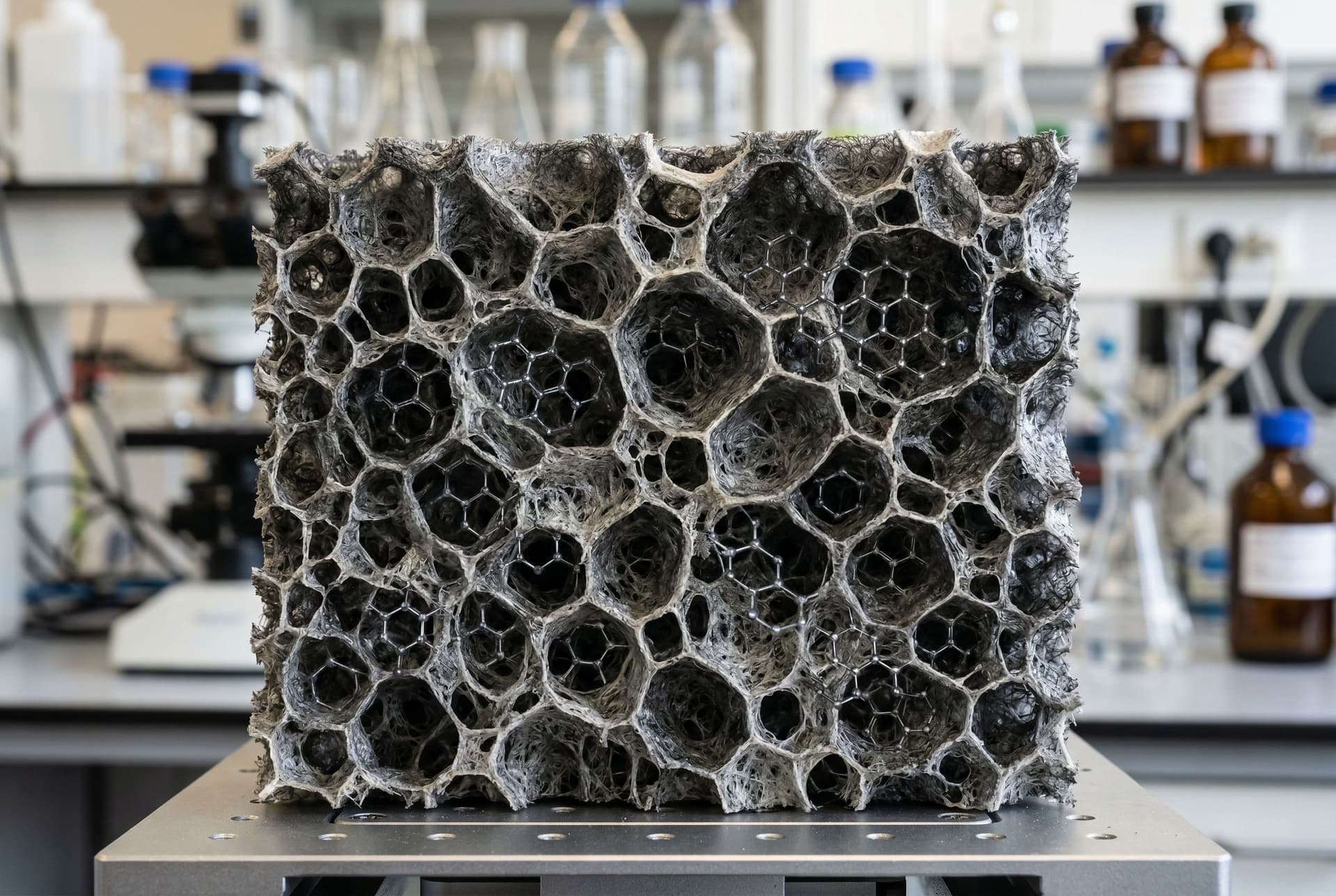
Polyurethane foams are used in insulation, cushioning, structural panels, seating, footwear, packaging, and energy-efficient building systems. They are already one of the most versatile material families in modern manufacturing. When graphene is incorporated into polyurethane foam systems, the result can be more than a lighter or stronger foam. It can become a multifunctional material with improved mechanical stability, thermal behavior, electrical performance, and durability.
One of the clearest benefits of graphene in polyurethane foams is reinforcement. Foam materials are lightweight because much of their volume is air, but that also means their structure depends heavily on the integrity of the polymer cell walls. Graphene can strengthen the matrix and improve how stress is handled across the foam structure. That may lead to foams with better compressive strength, better recovery after deformation, and better long-term dimensional stability.
Thermal performance is a second major reason graphene-filled polyurethane matters. In insulation foams, heat flow control is critical. Graphene can influence thermal transport and structural integrity in ways that may improve insulation performance or help create more stable multifunctional foam systems. In other applications, such as electronics protection or seating near heated systems, graphene-enhanced foams may help manage localized heat more effectively.
Electrical behavior also creates new possibilities. Standard polyurethane foams are insulating, but graphene can introduce conductive pathways when the material is engineered carefully. That opens the door to antistatic foams, pressure-sensitive structures, smart cushioning, and conductive lightweight components. In automotive interiors, packaging for sensitive electronics, and wearable systems, these upgrades can be very valuable.
Cushioning and impact management are another promising area. Polyurethane foams are widely used to absorb energy, whether in helmets, protective packaging, seating, footwear, or transportation systems. Graphene reinforcement may improve how energy is distributed through the structure and help foams maintain performance over repeated compression cycles. In real products, that can mean better longevity and more consistent performance.
In construction and energy efficiency, graphene-filled foams could matter because lightweight insulation and multifunctional building materials are increasingly important. A foam that combines low weight, improved structural behavior, and more intelligent thermal performance has obvious appeal in modern design.
Challenges remain. Foam processing is highly sensitive, and graphene dispersion has to be controlled carefully so it does not disrupt cell formation or create defects. But the opportunity is clear. Graphene in polyurethane foams matters because it helps turn a familiar lightweight material into a more advanced platform for insulation, cushioning, sensing, and structural performance.