
Graphene Skin Patch for Melanoma: What the New ACS Nano Study Shows
A new ACS Nano study reports a flexible laser-induced graphene and copper oxide skin patch that used mild heat to release copper ions into melanoma tumors in mice.
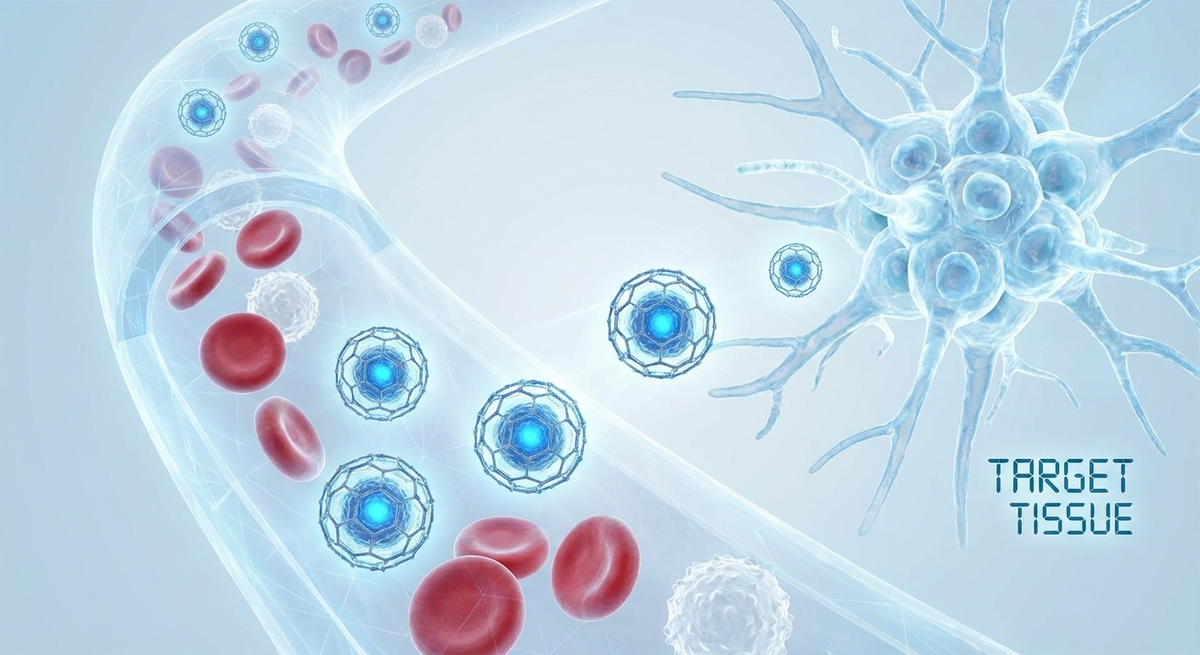
Modern medicine still faces a central delivery problem: even highly effective drugs often fail to reach the right tissue at the right concentration for the right duration. Many treatments lose potency in circulation, distribute too broadly, or require high doses that increase side effects. Drug discovery has advanced quickly, but delivery science has not always kept pace. This is why graphene-based nanomaterials are attracting serious interest as next-generation delivery platforms in precision medicine. Graphene and graphene-derived materials offer a rare combination of useful properties for drug transport: very high surface area, tunable chemistry, mechanical stability, and compatibility with multiple functionalization strategies. In practical terms, this means a graphene-based carrier can be engineered to load therapeutic molecules, protect them during circulation, and release them under controlled conditions near a target site. When designed correctly, this can improve treatment efficiency and reduce systemic toxicity.
Why delivery precision matters
A large share of therapeutic failure in real clinical settings is not because a molecule is inactive, but because dosing and biodistribution are suboptimal. In oncology, for example, conventional systemic delivery can expose healthy tissues to cytotoxic compounds, limiting the maximum tolerable dose and leading to severe patient discomfort. In inflammatory and neurological conditions, biological barriers like the blood-brain barrier and rapid metabolic clearance can significantly reduce effective drug concentration at the actual disease site, rendering potent therapies ineffective. The ultimate goal of advanced delivery systems is therefore twofold: significantly increase local drug availability where needed and drastically reduce exposure elsewhere to minimize collateral damage. Graphene-enabled carriers are being studied as one particularly promising route to achieve this critical balance, moving us closer to truly personalized and effective medicine.
What graphene contributes in drug delivery systems
Graphene oxide (GO), reduced graphene oxide (rGO), and functionalized graphene sheets are among the most studied formats for biomedical transport. Their value comes less from a single “magic” property and more from a synergistic combination of attributes that are challenging to find in other nanomaterials. The expansive surface area of graphene, for instance, provides abundant sites for drug loading, allowing high payloads of therapeutic agents to be carried by a relatively small volume of material. This high loading capacity is crucial for delivering sufficient therapeutic doses without overloading the body with inert carrier material.
The intrinsic characteristics of graphene and its derivatives provide a powerful toolkit for designing sophisticated drug delivery systems. Graphene oxide, a hydrophilic derivative, presents a wealth of oxygen-containing functional groups (hydroxyl, carboxyl, epoxy) across its surface and edges. These groups are not only vital for excellent dispersibility in aqueous biological environments but also serve as chemical handles for attaching a wide array of therapeutic molecules, targeting ligands, or protective polymers. This chemical versatility enables the precise tuning of the carrier’s interaction with biological systems, dictating its biodistribution, cellular uptake, and eventual clearance.
The mechanical strength and structural integrity of graphene sheets are another significant advantage. They can encase or adsorb drug molecules, shielding them from enzymatic degradation, premature release, and rapid clearance by the body's immune system. This protective capability extends the circulation half-life of many sensitive drugs, allowing them more time to reach their intended targets. Furthermore, the tunable electronic and optical properties of graphene materials open avenues for advanced functionalities, such as real-time tracking of the carrier or triggered drug release in response to external stimuli.
The flexibility of graphene materials allows them to be incorporated into various forms, from stable dispersions to hydrogels and composites, each offering unique advantages for different administration routes and therapeutic applications. This adaptability means that a graphene-based platform can be customized for intravenous injection, localized delivery, or even oral administration, expanding the potential reach of challenging drug compounds. The material’s robust nature ensures that it remains stable under physiological conditions, maintaining its drug-carrying capacity until it reaches the desired site. This multi-property advantage positions graphene as a truly versatile and impactful platform for addressing complex drug delivery challenges.
Achieving precision targeting and controlled drug release are cornerstones of advanced drug delivery, and graphene platforms are uniquely suited to facilitate both. Targeting strategies can be broadly categorized into passive and active approaches. Passive targeting relies on the enhanced permeability and retention (EPR) effect, where nanoparticles preferentially accumulate in tissues with leaky vasculature, such as tumors. Graphene's nanoscale dimensions allow it to exploit this effect, leading to higher drug concentrations within diseased tissues compared to healthy ones.
Active targeting takes precision a step further by conjugating specific targeting ligands onto the graphene carrier's surface. These ligands, which can include antibodies, peptides, aptamers, or small molecules, are designed to recognize and bind to receptors overexpressed on the surface of target cells, such as cancer cells. This specific binding dramatically increases the local concentration of the drug at the disease site, minimizing off-target effects and maximizing therapeutic efficacy. The rich surface chemistry of graphene oxide, with its abundant functional groups, makes it an ideal scaffold for attaching these diverse targeting moieties.
Controlled release mechanisms are equally critical, ensuring that the drug is liberated only when and where it is needed, preventing premature systemic exposure. Graphene-based carriers can be engineered to respond to various internal or external stimuli. Internal triggers include pH changes (e.g., acidic tumor microenvironments or endosomal compartments), enzyme activity (overexpressed in certain pathological conditions), or redox potential gradients within cells. External triggers, such as near-infrared (NIR) light, magnetic fields, or ultrasound, offer even greater spatial and temporal control over drug release, allowing clinicians to precisely activate drug liberation at the treatment site.
For instance, graphene's strong light absorption in the NIR region can be exploited for photothermal therapy, where NIR irradiation heats the graphene carrier, triggering the release of an adsorbed drug. This dual function—drug delivery and photothermal ablation—provides a synergistic therapeutic effect. The ability to fine-tune both targeting specificity and release kinetics transforms graphene from a simple carrier into an intelligent delivery system, capable of delivering therapies with unprecedented accuracy and efficacy.
Oncology represents one of the most compelling and actively researched areas for graphene-based drug delivery systems. The limitations of conventional chemotherapy, characterized by systemic toxicity and poor tumor selectivity, make it an ideal candidate for improvement through nanomaterial innovation. Graphene carriers offer a pathway to encapsulate potent cytotoxic drugs, protecting them from degradation and enhancing their accumulation within tumor tissues via the EPR effect or active targeting. This localized delivery means higher drug concentrations at the tumor site with significantly reduced systemic exposure, translating to fewer side effects for the patient and the potential for increased maximum tolerable doses.
Beyond delivering traditional chemotherapeutics, graphene is also being explored for more advanced cancer therapies. Its excellent photothermal properties make it a powerful agent for photothermal therapy (PTT), where graphene nanoparticles accumulate in tumors and, upon exposure to near-infrared light, convert light energy into heat to ablate cancer cells. When combined with chemotherapy, this creates a synergistic photothermal-chemotherapy approach, enhancing tumor cell killing while minimizing damage to healthy surrounding tissues. This combination therapy leverages two distinct mechanisms of action, often overcoming drug resistance pathways.
Graphene's high surface area and modifiable chemistry also lend themselves to gene therapy applications in cancer. It can effectively load and deliver nucleic acids, such as siRNA or plasmid DNA, to silence oncogenes or introduce tumor-suppressor genes within cancer cells. The protective nature of the graphene carrier shields these sensitive genetic materials from enzymatic degradation, ensuring their successful transfection and expression within target cells. Furthermore, researchers are integrating graphene with immunotherapy agents, aiming to modulate the tumor microenvironment and enhance the body's own immune response against cancer.
While oncology presents a prominent application, the versatility of graphene-based drug delivery extends far beyond cancer, offering transformative potential for a wide array of other challenging conditions. In inflammatory diseases, precise delivery of anti-inflammatory agents to sites of chronic inflammation is crucial to reduce systemic immunosuppression and side effects. Graphene carriers can be designed to target specific immune cells or inflammatory markers, delivering drugs like corticosteroids or small molecule inhibitors directly to inflamed tissues, improving efficacy and reducing systemic exposure. This targeted approach minimizes the broad immunosuppressive effects often associated with conventional treatments.
Neurological disorders pose a unique challenge due to the formidable blood-brain barrier (BBB), which restricts the entry of most therapeutic agents into the central nervous system. Researchers are investigating how functionalized graphene nanoparticles, perhaps coupled with specific peptides or receptors, can be engineered to temporarily open the BBB or transcytose across it, delivering neuroprotective or neuroregenerative drugs directly to brain tissue. This could revolutionize treatments for conditions such as Alzheimer's, Parkinson's, stroke, and brain tumors, where current drug delivery to the brain is highly inefficient. The ability to bypass this biological barrier offers unprecedented hope for these debilitating conditions.
In the realm of infectious diseases, targeted delivery of antibiotics or antiviral agents using graphene carriers could combat antimicrobial resistance and improve treatment outcomes. By concentrating antibiotics at the site of infection, higher local drug concentrations can be achieved, potentially overcoming bacterial resistance mechanisms and reducing the dose needed, thereby minimizing systemic side effects. Graphene's inherent antimicrobial properties, particularly that of graphene oxide, can also contribute to the therapeutic effect, providing a dual-action mechanism against pathogens. This multi-faceted utility underscores graphene’s broad applicability in modern medicine.
The journey of any nanomaterial from laboratory research to clinical application hinges critically on rigorous assessment of its safety and biocompatibility. For graphene-based drug delivery systems, this involves comprehensive studies on their cytotoxicity, immunogenicity, biodistribution, and long-term fate within the living organism. While the pristine form of graphene can sometimes exhibit cytotoxic effects at high concentrations, extensive research has shown that appropriate functionalization and surface modification strategies can significantly enhance its biocompatibility, rendering it safe for biomedical applications. For instance, PEGylation (conjugation with polyethylene glycol) is a common strategy to improve solubility, reduce protein adsorption, and prolong circulation time, simultaneously mitigating potential immune responses.
Researchers are diligently working to understand the interaction of graphene nanoparticles with various biological systems, from cellular uptake and intracellular trafficking to systemic clearance pathways. Studies are focused on optimizing particle size, shape, surface charge, and functionalization to ensure efficient drug delivery while minimizing adverse effects. The degradation and excretion pathways of graphene materials are also critical areas of investigation, ensuring that the materials do not accumulate indefinitely within the body. Biodegradable graphene derivatives are being explored to ensure complete clearance post-delivery.
Moving towards clinical translation requires not only demonstrating efficacy and safety in preclinical animal models but also establishing robust manufacturing processes and regulatory compliance. Standardization of graphene material characterization and quality control is paramount to ensure reproducibility and consistency across different studies and potential products. The field is actively engaged in addressing these challenges, with significant progress being made in understanding graphene's biological interactions and developing safe, effective formulations. While still largely in preclinical stages, the rapid advancements in this area suggest that graphene-based drug delivery systems are steadily approaching human trials, promising a new era of therapeutic precision.
Despite the immense promise, the clinical translation of graphene-based drug delivery systems faces several challenges that researchers are actively addressing. One key hurdle is ensuring batch-to-batch consistency and scalability in manufacturing high-quality, reproducible graphene derivatives suitable for medical applications. Developing cost-effective and environmentally friendly synthesis methods that meet stringent regulatory standards is essential for widespread adoption. Another challenge lies in optimizing the precise functionalization strategies to achieve desired biodistribution profiles and minimizing off-target accumulation, which is crucial for reducing potential long-term toxicity.
Further research is needed to fully elucidate the long-term biological fate and potential effects of graphene materials within the human body, particularly concerning chronic exposure or accumulation. Understanding the complete degradation pathways and metabolic products is vital for regulatory approval. Integrating advanced imaging techniques with graphene carriers will also be crucial for real-time monitoring of drug delivery and release kinetics in vivo, providing invaluable feedback for treatment optimization. This advanced theranostic capability, combining therapy and diagnostics, represents a significant future direction.
Future directions include the development of multi-modal graphene platforms that can simultaneously deliver multiple therapeutic agents, perform diagnostic imaging, and respond to various physiological cues for highly personalized medicine. The integration of graphene with other advanced materials, such as polymers and inorganic nanoparticles, to create hybrid systems with enhanced functionalities is also a rapidly expanding area. As research continues to mature, addressing these challenges will pave the way for graphene to move from promising laboratory results to impactful clinical realities, fundamentally altering how we approach disease treatment and patient care.
*
Q: What is graphene's primary advantage in drug delivery?
A: Graphene's primary advantage stems from its exceptionally high surface area, which allows it to carry a large payload of therapeutic molecules. This, combined with its tunable surface chemistry, mechanical stability, and ability to be functionalized, enables precise targeting and controlled release of drugs, enhancing efficacy and reducing side effects. It’s a versatile platform, not just a simple carrier.
Q: Are graphene-based drug carriers safe?
A: The safety of graphene-based drug carriers is a major focus of ongoing research. While pristine graphene can exhibit cytotoxicity at high concentrations, extensive studies show that appropriate functionalization and surface modifications, such as PEGylation, can significantly enhance its biocompatibility and reduce toxicity. Researchers are actively working to optimize formulations for safe degradation and clearance from the body, moving towards clinical acceptance.
Q: What types of drugs can graphene deliver?
A: Graphene can deliver a wide array of therapeutic agents, including conventional small-molecule chemotherapeutics, protein-based drugs, nucleic acids (like siRNA and plasmid DNA for gene therapy), and even photosensitizers for photodynamic therapy. Its versatile surface chemistry allows it to effectively bind and protect diverse drug classes, making it adaptable to various treatment modalities.
Q: How does graphene enable targeted drug release?
A: Graphene enables targeted drug release through two main mechanisms: passive and active targeting. Passive targeting exploits the leaky vasculature of diseased tissues (e.g., tumors) where nanoparticles accumulate. Active targeting involves conjugating specific ligands (antibodies, peptides) onto the graphene surface that bind to receptors on target cells. Controlled release is achieved by engineering the carrier to respond to internal stimuli (pH, enzymes) or external stimuli (light, magnetic fields) at the disease site.
Q: When can we expect graphene drug delivery systems in clinics?
A: While graphene-based drug delivery systems show immense promise and are undergoing rapid development, most are currently in preclinical research stages. Rigorous testing for long-term safety, efficacy, and consistent manufacturing processes is required before human clinical trials can commence. Although timelines are difficult to predict, continuous advancements suggest that some graphene-enabled therapies could enter early-stage clinical trials within the next decade, marking a significant step towards patient application.
*
The persistent challenge of drug delivery, where potent therapies often fall short due to suboptimal biodistribution and systemic toxicity, underscores the critical need for innovation in modern medicine. Graphene and its derivatives stand out as uniquely qualified nanomaterial platforms capable of addressing these complex issues. Their exceptional surface area, adaptable chemistry, and mechanical robustness provide a foundation for engineering intelligent drug carriers that can precisely target diseased tissues, protect sensitive therapeutic molecules, and release them under controlled conditions. This sophisticated control promises to revolutionize treatment paradigms by significantly increasing therapeutic efficacy while drastically minimizing adverse effects.
From enhancing chemotherapy and pioneering new photothermal strategies in oncology to overcoming the blood-brain barrier for neurological disorders and combating antimicrobial resistance, graphene’s multifaceted capabilities position it as a truly transformative technology. While challenges related to biocompatibility, manufacturing scalability, and regulatory approval remain, the scientific community is making rapid strides in understanding and optimizing these systems. The continued investment in graphene research signals a confident outlook for its future in medicine, where it is poised to redefine precision, safety, and ultimately, the success of therapeutic outcomes for patients worldwide.
Serious about B2B integration? Test our premium Pulsed Electrical Resistive Carbon Heating turbostratic graphene in your lab. 100g sample packs available now.
Explore More
A new ACS Nano study reports a flexible laser-induced graphene and copper oxide skin patch that used mild heat to release copper ions into melanoma tumors in mice.

Graphene is transforming tissue engineering by enhancing biomaterial properties for optimal cell growth and tissue repair. Discover how its unique mechanical, electrical, and biocompatible characteristics are paving the way for next-generation medical implants and regenerative therapies.

Discover how graphene nanosheets are revolutionizing the fight against dangerous bacteria and fungi, offering robust solutions to microbial resistance. Explore its unique mechanisms and vast potential in environmental and clinical applications.