applications
Graphene in Drug Delivery: How Nanomaterials Can Improve Precision, Safety, and Therapeutic Outcomes
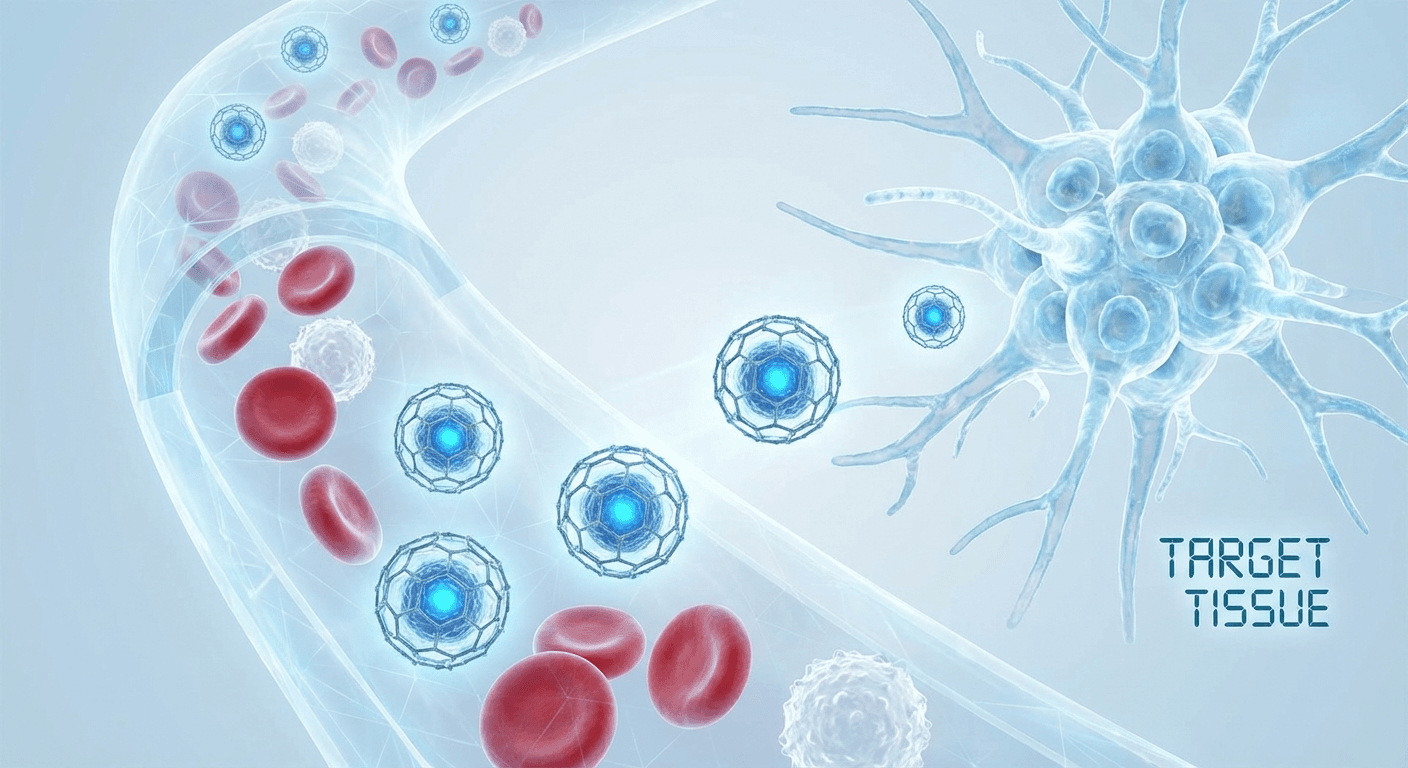
Modern medicine still faces a central delivery problem: even highly effective drugs often fail to reach the right tissue at the right concentration for the right duration. Many treatments lose potency in circulation, distribute too broadly, or require high doses that increase side effects. Drug discovery has advanced quickly, but delivery science has not always kept pace. This is why graphene-based nanomaterials are attracting serious interest as next-generation delivery platforms in precision medicine.
Graphene and graphene-derived materials offer a rare combination of useful properties for drug transport: very high surface area, tunable chemistry, mechanical stability, and compatibility with multiple functionalization strategies. In practical terms, this means a graphene-based carrier can be engineered to load therapeutic molecules, protect them during circulation, and release them under controlled conditions near a target site. When designed correctly, this can improve treatment efficiency and reduce systemic toxicity.
Why delivery precision matters
A large share of therapeutic failure in real clinical settings is not because a molecule is inactive, but because dosing and biodistribution are suboptimal. In oncology, for example, conventional systemic delivery can expose healthy tissues to cytotoxic compounds, limiting the maximum tolerable dose. In inflammatory and neurological conditions, biological barriers and rapid clearance can reduce effective drug concentration at the disease site.
The goal of advanced delivery systems is therefore twofold: increase local drug availability where needed and reduce exposure elsewhere. Graphene-enabled carriers are being studied as one route to achieve this balance.
What graphene contributes in drug delivery systems
Graphene oxide (GO), reduced graphene oxide (rGO), and functionalized graphene sheets are among the most studied formats for biomedical transport. Their value comes less from a single “magic” property and more from design flexibility. Researchers can modify surface chemistry to tune hydrophilicity, attach targeting ligands, add polymer coatings, and integrate responsive release triggers.
Key advantages include:
1. High loading capacity
The large specific surface area of graphene-based materials can support substantial drug adsorption or conjugation.
2. Surface functionalization potential
Carriers can be decorated with targeting molecules (e.g., antibodies, peptides) to improve affinity for selected tissues.
3. Controlled release capability
Release profiles can be engineered through pH sensitivity, redox triggers, enzyme-responsive linkers, or external stimuli.
4. Multimodal integration
Graphene platforms can combine drug delivery with imaging or thermal modalities in theranostic strategies.
5. Mechanical and colloidal tunability
Particle size, surface charge, and coating chemistry can be adjusted to influence circulation and uptake behavior.
Targeted delivery and the EPR challenge
One major promise in nanomedicine is enhanced permeability and retention (EPR)-assisted accumulation in diseased tissues such as tumors. In practice, EPR effects are variable between patients and tissue types. This means passive targeting alone is often insufficient for consistent outcomes.
Graphene systems can be improved with active targeting strategies, where ligands on the carrier surface bind specific cell receptors. The combination of passive accumulation plus active binding can increase local uptake probability. However, translation requires careful optimization: overly complex constructs can become hard to scale, characterize, and regulate.
Controlled release is one of the strongest arguments for graphene-based delivery. Instead of a rapid concentration spike followed by decline, engineered carriers can support sustained or condition-triggered release. In diseases requiring narrow therapeutic windows, this may improve therapeutic index by lowering peak-related toxicity while preserving efficacy.
For example, pH-responsive systems are relevant in acidic microenvironments, while redox-responsive linkers can exploit intracellular chemical conditions. Such mechanisms allow a drug to remain more stable in circulation and become more available at target sites.
Biocompatibility and safety realities
Despite the promise, safety remains the decisive factor. Graphene materials vary significantly in size, oxidation state, defect density, and surface chemistry, and these differences can change biological behavior. A graphene platform that performs well in vitro may show different biodistribution or immune interactions in vivo.
Graphene in drug delivery is best viewed as an enabling technology for precision dosing, smarter release control, and potentially better risk-benefit profiles in selected therapies. Its strengths—high loading capacity, tunable surfaces, and flexible integration—make it a compelling platform for modern delivery challenges. But real-world success depends on biocompatibility rigor, reproducible manufacturing, and clinically relevant validation.
If these conditions are met, graphene-based delivery systems could help shift medicine from broad systemic exposure toward more precise, efficient, and patient-friendly treatment strategies. The opportunity is significant, but it will be realized through disciplined translational science, not marketing excitement.