Graphene Electrophoretic Deposition: Revolutionizing Advanced Materials
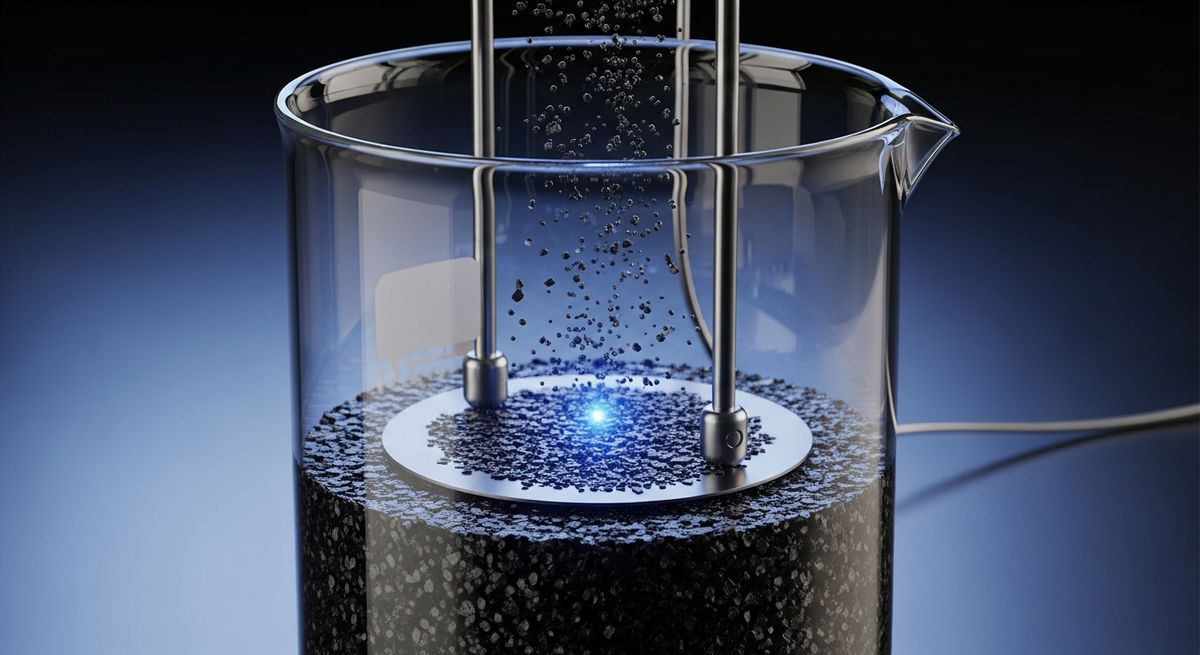
Graphene, the remarkable two-dimensional nanomaterial composed of a single layer of carbon atoms arranged in a hexagonal lattice, continues to captivate the scientific and engineering communities. Its extraordinary properties—including exceptional mechanical strength, flexibility, unparalleled electronic conductivity, high thermal conductivity, and an immense specific surface area—position it as a cornerstone for future technological advancements. From enhancing existing materials to enabling entirely new device functionalities, graphene's potential is vast and largely untapped.
However, harnessing these fascinating properties for real-world applications hinges critically on effective processing and fabrication techniques. The nanoscale dimensions of graphene present significant challenges for its controlled manipulation and deposition, especially when aiming for large-scale production and integration into functional devices. Traditional solution-based methods, while promising for cost-effective, high-volume manufacturing, often struggle with achieving precise control over film morphology and the crucial alignment of graphene sheets, which directly impacts critical properties like electron transport.
This is where Electrophoretic Deposition (EPD) emerges as a transformative solution. EPD is a versatile, solution-based technique that offers unparalleled control over the fabrication of nanostructured coatings and films, making it particularly attractive for graphene electrophoretic deposition. Its inherent advantages, such as cost-effectiveness, reliance on simple equipment, and the ability to produce dense, uniform, and precisely controlled deposits, address many of the limitations faced by other processing methods. As we delve deeper, we will explore how EPD is not only overcoming these processing hurdles but actively propelling graphene-based materials into the forefront of energy-related applications.
The Fundamentals of Graphene Electrophoretic Deposition (EPD)
Electrophoretic Deposition (EPD) is a robust solution-based technique utilized for the controlled manipulation and deposition of nanoscale materials onto various substrates. At its core, EPD operates on the principle of electrophoresis, where charged particles suspended in a liquid medium migrate under the influence of an applied electric field towards an electrode of opposite charge. Upon reaching the electrode surface, these particles are subsequently deposited, forming a coherent film or coating. This elegant mechanism allows for precise control over the deposition process, making it exceptionally well-suited for the intricate requirements of graphene electrophoretic deposition.
A fundamental precondition for successful EPD processing is the ability of the material to form stable suspensions with an adequate surface charge on the suspended nanoparticles. For graphene-based materials, this requirement is often met through strategic material selection or modification. While pristine graphene can be modified to achieve stable suspensions, graphene oxide (GO) stands out due to its inherent properties. GO possesses numerous polar functional groups (e.g., hydroxyl, carboxyl, epoxy groups) within its structure, leading to high hydrophilicity. This characteristic enables GO to disperse readily and form highly stable aqueous suspensions, making it an ideal precursor for EPD.
The actual formation of the deposit during EPD involves several suggested mechanisms, often acting in concert. These include charge neutralization of the particles upon contact with the electrode, distortion and thinning of the electrical double layer surrounding the particles, and electrochemical particle coagulation. The specific mechanism can be influenced by factors such as the solvent, electrolyte, applied voltage, and particle properties. EPD systems can broadly be categorized into direct current (DC) EPD and alternating current (AC) EPD, depending on the type of applied electric current. Furthermore, based on the charge of the particles and the electrode they are attracted to, the process is defined as either cathodic EPD (deposition on the cathode) or anodic EPD (deposition on the anode).
For graphene, EPD offers distinct advantages over other deposition techniques. It has been observed that the EPD process itself can facilitate the exfoliation of aggregated graphene nanosheets, leading to more uniform films compared to methods like drop-casting. This ability to control the alignment and packing density of graphene sheets is crucial, as the orientation of these two-dimensional materials significantly impacts their electron transport properties and overall device performance. Through EPD, researchers can achieve highly aligned and densely packed graphene films, unlocking their full potential.
Unlocking Graphene's Potential: Advantages of EPD for Advanced Materials
The appeal of Electrophoretic Deposition (EPD) for fabricating advanced graphene-based materials extends far beyond its fundamental mechanism. This technique offers a suite of compelling advantages that position it as a leading candidate for large-scale, high-performance material processing. One of its most significant benefits is its cost-effectiveness and the requirement for simple equipment, making it accessible for both research and industrial applications without substantial capital investment. This economic viability is crucial for the widespread adoption of graphene technologies.
EPD excels in producing nanostructured coatings with remarkable control over their physical attributes. It provides improved deposition rate, allowing for faster fabrication cycles, which is essential for industrial throughput. The technique also boasts excellent size scalability, meaning it can be adapted to deposit films ranging from minute laboratory samples to large-area coatings. Furthermore, EPD facilitates dense packing of nanoparticles, resulting in films with high material density and robust mechanical properties. Crucially, it offers site selectivity of the deposition, enabling precise patterning and localized coating of specific areas on a substrate, which is invaluable for complex device architectures.
Another critical advantage is the ability to achieve controlled thickness and uniformity of the deposited films. EPD has successfully produced graphene-based films ranging from a single layer to thicknesses of several hundred microns, simply by adjusting parameters such as deposition time and applied voltage. This precise control over thickness, coupled with inherent uniformity, ensures consistent material properties across the entire coated area. Moreover, EPD's versatility extends to depositing films onto flexible substrates and even infiltrating complex structures (e.g., porous materials), opening doors for innovative flexible electronics and advanced composites.
Beyond these structural benefits, EPD offers significant processing advantages. It allows for the production of graphene-based films and coatings under ambient conditions, eliminating the need for specialized high-temperature or vacuum environments, which further reduces energy consumption and operational costs. Furthermore, EPD can be conducted without using any potentially hazardous chemicals, particularly when reducing graphene oxide (GO) to reduced graphene oxide (rGO) during the deposition process. This environmentally friendlier approach aligns with growing demands for sustainable manufacturing practices.
EPD's capacity for creating graphene-based composite films or coatings is another powerful feature. This can be achieved through various strategies: co-depositing mixtures of graphene and other particles from a single suspension, sequentially depositing layers of different materials, or by depositing pre-formed composite particles that already contain graphene. This flexibility allows for the creation of multifunctional materials tailored for specific applications, where graphene's properties are synergistically combined with those of other advanced materials, leading to enhanced performance and novel functionalities.
Graphene Oxide (GO) and Reduced Graphene Oxide (rGO): EPD's Versatile Feedstock
While pristine graphene embodies the ideal properties of a two-dimensional nanomaterial, its processing often presents significant challenges, particularly in achieving stable dispersions necessary for solution-based fabrication techniques like Electrophoretic Deposition (EPD). This is where graphene oxide (GO) and reduced graphene oxide (rGO) emerge as incredibly versatile and practical alternatives, widely studied for their easier and less expensive production pathways, making them more suitable for future large-scale applications.
Graphene oxide (GO) is structurally distinct from pristine graphene due to the presence of various oxygen-containing functional groups (such as hydroxyl, epoxy, and carboxyl groups) on its basal plane and edges. These groups, while potentially introducing structural defects that might negatively affect some intrinsic properties like electrical conductivity, simultaneously confer unique advantages. Most notably, the polar functional groups render GO highly hydrophilic, meaning it has a strong affinity for water. This characteristic enables GO to form exceptionally stable aqueous suspensions, a critical prerequisite for effective EPD processing. The ease of dispersing GO in water simplifies handling and allows for uniform deposition, bypassing complex solvent systems often required for pristine graphene.
Beyond its dispersibility, the functional groups on GO serve as reactive sites for functionalization, allowing for chemical modification and integration with other materials to create sophisticated composite films. This chemical versatility opens up pathways to tailor the properties of GO-based materials for specific applications, from enhanced mechanical strength to improved catalytic activity. The ability to modify GO's surface chemistry makes it a highly adaptable building block in materials science, particularly when combined with the precise deposition capabilities of EPD.
A significant advantage of utilizing GO in EPD is the possibility of converting it to reduced graphene oxide (rGO). After deposition, GO films can be subjected to various reduction routes—including thermal, chemical, or electrochemical methods—to partially restore the desirable properties of pristine graphene. This reduction process removes a significant portion of the oxygen-containing functional groups, leading to an increase in electrical conductivity and a decrease in hydrophilicity. Importantly, EPD itself has been observed to facilitate the simultaneous deposition and reduction of GO, providing a direct route to produce rGO films or coatings under ambient conditions and without the need for additional, potentially hazardous chemical reductants.
This in-situ reduction capability within the EPD process streamlines fabrication, offering a more environmentally benign and efficient pathway to generate rGO materials. The ability to control the degree of reduction, and thus the final properties of the rGO film, further enhances the utility of EPD for tailoring materials for specific energy applications. By leveraging GO as a precursor, EPD can efficiently bridge the gap between the challenging synthesis of pristine graphene and the demand for high-performance, cost-effective graphene-based materials for a wide range of functional devices.
Optimizing Graphene Deposition: EPD Setups and Critical Parameters
Achieving precise control over the characteristics of deposited graphene-based materials through Electrophoretic Deposition (EPD) hinges on a thorough understanding and careful manipulation of the experimental setup and various process parameters. A typical EPD setup is fundamentally simple, consisting of two main components: a pair of electrodes—a working electrode (the substrate where deposition occurs) and a counter electrode—immersed in a stable suspension of charged particles, all connected to a DC or AC power supply. The choice of electrode material, geometry, and spacing can significantly influence the electric field distribution and, consequently, the uniformity and rate of deposition.
Key parameters govern the EPD process and dictate the final properties of the deposited film. The applied voltage is perhaps the most critical, as it directly controls the electrophoretic force driving the particles towards the electrode. Higher voltages generally lead to a faster deposition rate and potentially denser films, but excessively high voltages can cause solvent breakdown or uncontrolled deposition. Conversely, lower voltages may result in slower deposition and thinner films. The deposition time is another straightforward parameter, directly correlating with the film thickness. As mentioned, EPD allows for the fabrication of films ranging from a single layer to several hundred microns thick, with this parameter being a primary determinant.
Beyond electrical parameters, the properties of the suspension itself play a crucial role. The particle concentration in the suspension directly affects the amount of material available for deposition and thus the film thickness and density. A higher concentration can lead to faster deposition, but also potentially to aggregation if not carefully controlled. The choice of solvent is vital; it must effectively disperse the graphene-based materials, maintain their charge, and possess appropriate dielectric properties. For graphene oxide (GO), aqueous suspensions are highly favored due to GO's hydrophilicity, simplifying the solvent choice.
Other critical suspension parameters include the pH and ionic strength. The pH significantly influences the surface charge of the suspended particles, particularly for GO, which has pH-sensitive functional groups. Adjusting the pH can optimize the electrophoretic mobility and prevent premature aggregation. The temperature of the suspension can also affect viscosity and particle mobility, with higher temperatures generally increasing mobility but potentially reducing suspension stability over prolonged periods. Careful optimization of these parameters is essential to ensure a stable suspension and reproducible, high-quality deposits.
By meticulously controlling these setup components and process parameters, researchers and engineers can precisely tailor the characteristics of EPD-prepared graphene films. This includes not only controlled thickness and uniformity but also the density, porosity, and even the alignment of the graphene sheets within the film. Such fine-tuned control is indispensable for fabricating advanced functional materials where specific structural and electrical properties are paramount, particularly for demanding applications in the energy sector.
Graphene Electrophoretic Deposition for Next-Generation Energy Applications
The exceptional properties of graphene—including its high electrical conductivity, vast specific surface area, mechanical robustness, and thermal stability—make it an ideal candidate for revolutionizing various energy applications. The precision and versatility of Graphene Electrophoretic Deposition (EPD) provide a powerful pathway to integrate these materials into high-performance energy devices, addressing critical needs in both energy generation and storage.
Photovoltaic Devices
In the realm of photovoltaic devices, EPD-prepared graphene films are poised to significantly enhance the efficiency and durability of solar cells. Graphene's high transparency and excellent electrical conductivity make it an attractive alternative to traditional indium tin oxide (ITO) as a transparent electrode. EPD enables the deposition of uniform, thin graphene layers that can effectively collect charge carriers while allowing maximum light transmission, leading to improved power conversion efficiencies. Furthermore, graphene's flexibility allows for the development of flexible solar cells, opening up new design possibilities for portable and integrated energy solutions.
Beyond transparent electrodes, graphene's unique electronic structure makes it valuable for other components within solar cells. EPD can fabricate graphene-based films that serve as charge transport layers, facilitating the efficient extraction of electrons and holes and minimizing recombination losses. In emerging technologies like perovskite solar cells, graphene and reduced graphene oxide (rGO) films prepared by EPD can act as highly efficient hole transport layers or electron extraction layers, boosting device stability and performance. The ability of EPD to create composite films also allows for the integration of graphene with other semiconductors to form heterojunctions, further optimizing light absorption and charge separation.
Electrodes for Energy Storage Devices
The application of EPD for fabricating graphene-based electrodes for energy storage devices is particularly impactful, given graphene's high surface area and conductivity. These properties are critical for enhancing the performance of supercapacitors, batteries, and fuel cells, addressing the growing demand for more efficient and durable energy storage solutions.
For supercapacitors, which rely on surface-mediated charge storage, EPD-prepared graphene films offer an ideal electrode architecture. The high specific surface area of graphene allows for a vast number of active sites for ion adsorption, while its exceptional electrical conductivity ensures rapid charge and discharge rates. EPD's ability to create dense packing and controlled porosity in graphene films maximizes energy density while maintaining power density. Furthermore, EPD can produce graphene-based composite films with other pseudocapacitive materials (e.g., metal oxides or conducting polymers), synergistically combining their properties to achieve even higher energy storage capacities and improved cycling stability.
In batteries, particularly lithium-ion batteries, graphene and reduced graphene oxide (rGO) are being explored as advanced electrode materials. As anodes, rGO can provide a stable and high-capacity host for lithium ions, thanks to its layered structure and excellent conductivity, which mitigates volume expansion issues common in silicon anodes. As cathodes, graphene can serve as a conductive additive or scaffold, improving the rate capability and cycle life of active materials. EPD enables the uniform coating of current collectors or active material particles with graphene, creating highly efficient pathways for electron transport and ion diffusion, leading to batteries with higher energy density, faster charging capabilities, and extended lifespans.
Moreover, graphene electrophoretic deposition is instrumental in developing advanced materials for fuel cells. Graphene's high surface area and chemical stability make it an excellent support material for platinum-group catalysts, reducing the amount of precious metal required while enhancing catalytic activity and durability. EPD can create uniform, highly dispersed catalyst-graphene composite layers, optimizing the catalytic reactions at the electrode-electrolyte interface and improving the overall efficiency of fuel cells. The versatility of EPD in forming robust, thin films under ambient conditions makes it a highly attractive method for manufacturing these critical components for sustainable energy technologies.
The Road Ahead: Challenges and Future Prospects in Graphene EPD
While Electrophoretic Deposition (EPD) has demonstrated remarkable promise for fabricating graphene-based materials for energy applications, several challenges remain that require dedicated research and development efforts. One primary area of focus is ensuring the long-term stability of suspensions of graphene and graphene oxide (GO), especially at higher concentrations or over extended periods. Maintaining a uniform surface charge and preventing aggregation are crucial for consistent film quality and reproducible results. Advanced dispersion techniques and surface modification strategies will be vital in overcoming these issues.
Another significant challenge lies in achieving even finer control over film morphology and architecture, particularly for complex device designs. While EPD offers excellent control over thickness and uniformity, precisely engineering features such as pore size distribution, graphene sheet orientation, and multi-layered composite structures at the nanoscale requires further refinement of EPD parameters and perhaps the integration of external fields or patterned substrates. The ability to deposit graphene onto highly intricate or three-dimensional structures with consistent quality remains an active area of investigation, impacting applications like micro-supercapacitors or micro-fuel cells.
Scaling up graphene electrophoretic deposition from laboratory-scale experiments to industrial-scale production also presents its own set of hurdles. While the technique is inherently scalable, ensuring uniform deposition over very large areas, maintaining suspension stability in large volumes, and integrating EPD into continuous manufacturing processes will require engineering innovations. Furthermore, developing robust, in-situ characterization techniques that can monitor the deposition process in real-time will be essential for quality control and process optimization in a manufacturing setting.
Despite these challenges, the future prospects for EPD in graphene-based materials are exceptionally bright. Future research will likely focus on developing novel composite systems by co-depositing graphene with a wider range of functional materials, including advanced ceramics, polymers, and biomaterials, to create truly multifunctional coatings. Exploring advanced EPD techniques, such as pulsed DC or AC fields, could offer even greater control over film microstructure and density. Moreover, the integration of EPD with other fabrication methods could lead to hybrid processing routes that leverage the strengths of each technique, opening up unprecedented opportunities for creating next-generation functional devices for energy, sensing, and biomedical applications.
SEO FAQ Section
Q1: What is Electrophoretic Deposition (EPD) and why is it important for graphene?
A1: EPD is a solution-based technique that uses an electric field to deposit charged nanoparticles, like graphene, from a suspension onto an electrode. It's crucial for graphene because it allows for cost-effective, scalable, and precise fabrication of uniform, dense films, overcoming challenges in manipulating nanoscale materials for various applications.
Q2: How does Graphene Oxide (GO) facilitate EPD of graphene-based materials?
A2: Graphene Oxide (GO) is highly hydrophilic due to its polar functional groups, enabling it to form stable aqueous suspensions easily. This stability is a prerequisite for EPD, making GO an ideal precursor for depositing graphene-based films, and it can even be reduced to rGO during the deposition process.
Q3: What are the key advantages of using EPD for fabricating graphene films?
A3: EPD offers numerous advantages, including cost-effectiveness, simple equipment, size scalability, dense packing, site selectivity, controlled thickness (from single layer to hundreds of microns), and uniformity. It also allows for deposition on flexible substrates and the creation of composite films under ambient conditions without hazardous chemicals.
Q4: In which energy applications does EPD-prepared graphene show significant promise?
A4: EPD-prepared graphene is highly promising for various energy applications. This includes photovoltaic devices (as transparent electrodes and charge transport layers in solar cells) and energy storage devices (as high-performance electrodes for supercapacitors and advanced batteries, and as catalyst supports in fuel cells).
Q5: Can EPD produce reduced graphene oxide (rGO) films directly?
A5: Yes, EPD has shown the unique capability to facilitate the simultaneous deposition and reduction of Graphene Oxide (GO) into reduced Graphene Oxide (rGO) films. This allows for the production of rGO coatings under ambient conditions, partially restoring pristine graphene's properties without the need for additional chemical reductants.
Conclusion
The ability to precisely control the fabrication of graphene-based materials is paramount to unlocking their full potential across a myriad of advanced applications. Graphene Electrophoretic Deposition (EPD) stands out as an exceptionally powerful and versatile technique, offering a compelling combination of cost-effectiveness, scalability, and unparalleled control over film morphology. From enabling stable suspensions of graphene oxide (GO) to facilitating the in-situ reduction to reduced graphene oxide (rGO), EPD provides a streamlined and environmentally conscious pathway to produce high-quality, uniform, and densely packed graphene films.
Its distinct advantages, including the capacity for depositing materials from a single layer to several hundred microns thick under ambient conditions, and its adaptability to flexible substrates and composite film fabrication, position EPD as a cornerstone technology. The impact of EPD on energy applications is particularly transformative, driving advancements in photovoltaic devices through efficient transparent electrodes and charge transport layers, and revolutionizing energy storage devices with high-performance electrodes for supercapacitors and batteries. As research continues to refine EPD parameters and explore novel composite systems, the horizon for graphene-enabled technologies expands exponentially.
For engineers, materials scientists, and R&D professionals committed to pushing the boundaries of material science, understanding and leveraging the capabilities of Graphene Electrophoretic Deposition is essential. The future of high-performance, cost-effective, and scalable graphene integration into next-generation energy solutions is undeniably linked to the continued innovation in EPD. Discover how our cutting-edge graphene materials can elevate your research and development efforts today. Visit usa-graphene.com to explore our comprehensive range of advanced graphene products and solutions.
Evaluate Our Quality
Serious about B2B integration? Test our premium Pulsed Electrical Resistive Carbon Heating turbostratic graphene in your lab. 100g sample packs available now.
Explore More
Related Research & Articles


Graphene-Based Solar Cells: Architecture and Efficiency
Explore the molecular theory of graphene chemical modification and discover how precise oxidation framing enhances advanced solar cell efficiency.
