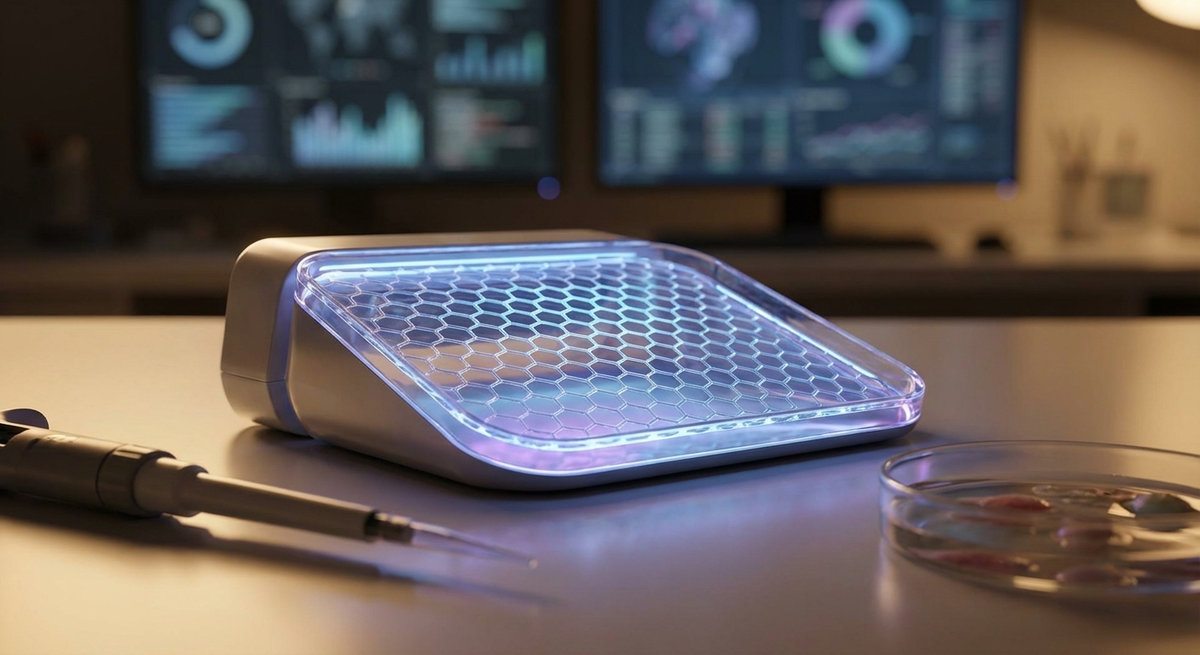
The unprecedented properties of graphene, a single atomic layer of sp2-hybridized carbon atoms arranged in a hexagonal lattice, stem fundamentally from its two-dimensional (2D) confinement. This extraordinary geometry dictates an electronic structure where charge carriers behave as massless Dirac fermions, exhibiting ballistic transport over considerable distances and possessing an ambipolar electric field effect. The absence of backscattering and the ultra-high carrier mobility, reaching values exceeding 200,000 cm^2/Vs at room temperature, are direct consequences of this atomic-scale confinement, enabling exceptionally low noise and rapid charge transfer dynamics. Furthermore, the inherent surface-to-volume ratio of an atomically thin material maximizes the interaction interface, rendering graphene exquisitely sensitive to external perturbations at its surface, a critical prerequisite for advanced sensing applications.
The profound influence of 2D confinement extends beyond electronic transport, dictating graphene's exceptional thermal and mechanical characteristics. Its thermal conductivity can reach up to 5000 W/mK, facilitating efficient heat dissipation, which is crucial for preventing localized heating artifacts in high-density sensor arrays or during signal transduction. This robustness also allows for specific processing techniques, such as localized thermal annealing via pulses up to 3000K for defect engineering or activating functional groups, without compromising the structural integrity of the active material. The tunable Fermi level, achieved through electrostatic gating or chemical doping, allows for precise control over the charge carrier concentration, making graphene a highly adaptable platform where minute surface adsorption events can induce significant and measurable changes in its electrical resistivity. This sensitivity is paramount for detecting analytes at ultra-low concentrations.
Central to graphene's utility in biosensing is its acute sensitivity to changes in the local dielectric environment and charge density upon molecular adsorption. When biorecognition elements are immobilized on the graphene surface, the subsequent binding of target analytes — whether proteins, nucleic acids, or small molecules — alters the electrical potential or charge distribution at the interface. This perturbation directly shifts the Dirac point and modifies the graphene channel's conductance, forming the basis of highly sensitive field-effect transistor (FET) biosensors. The intrinsically high carrier mobility ensures that these electronic changes are transduced into a rapid electrical signal, often within milliseconds of analyte binding, facilitating real-time detection capabilities.
The extreme surface area and intrinsic reactivity of graphene, a direct outcome of its 2D nature, provide abundant sites for molecular interaction. While perhaps best known for its electronic properties, graphene's adsorption capacity is also remarkable, evident in demonstrations such as 79% heavy metal adsorption efficiency, which highlights its strong interaction with various species. This high adsorption capacity, coupled with facile surface functionalization strategies, allows for the precise immobilization of specific bioreceptors (antibodies, aptamers, enzymes) without steric hindrance, thereby imparting selectivity to the sensor. The resulting highly specific and sensitive transducers leverage the physics of graphene confinement to enable the detection of biomarkers at concentrations far below the limits of conventional diagnostics, paving the way for early disease detection and personalized medicine.
Pulsed Electrical Resistive Carbon Heating vs. CVD (Comparative Analysis)
Traditional Chemical Vapor Deposition (CVD) for graphene synthesis, while foundational in establishing large-area production, is fundamentally an equilibrium-driven process reliant on high-temperature furnaces, typically operating above 1000°C for extended durations on catalytic metal substrates like copper or nickel. This approach often leads to polycrystalline graphene films with inherent grain boundaries, residual catalyst impurities, and necessitates a subsequent transfer step that invariably introduces defects, tears, and polymeric residues, all of which compromise the intrinsic electronic properties critical for high-performance biosensors. In stark contrast, Pulsed Electrical Resistive Carbon Heating (PERCH) represents a transformative kinetic control strategy, leveraging direct joule heating within a carbonaceous precursor (e.g., polymer films, amorphous carbon) to induce ultra-fast graphitization. This technique can generate instantaneous thermal pulses reaching upwards of 3000K within milliseconds, directly converting the precursor into high-quality graphene. The rapid heating and subsequent quenching kinetics inherent to PERCH enable precise control over nucleation density and crystal growth, minimizing the formation of unwanted graphitic multilayers or amorphous carbon impurities without the need for catalyst metals, thus yielding pristine graphene films with superior sp2 hybridization integrity and significantly reduced defect concentrations.
The kinetic pathways facilitated by PERCH fundamentally diverge from the thermodynamic equilibrium approach of CVD, offering distinct advantages for biosensor integration. While CVD often struggles with maintaining monolayer homogeneity and minimizing grain boundaries across large areas, PERCH's rapid thermal cycling restricts the time available for defect propagation and unwanted crystallographic rearrangements, promoting the formation of high-quality graphene domains. This results in graphene films exhibiting significantly lower sheet resistance and higher carrier mobility, critical metrics for effective biosensor transduction. For instance, high-quality PERCH-derived graphene can consistently achieve electrical resistivity parameters in the range of 50-150 Ohm/square for monolayer films, values often challenging to replicate uniformly with conventional CVD methods without extensive post-processing or optimization. Furthermore, the ability of PERCH to directly synthesize graphene on diverse substrates, including flexible polymers, silicon oxide, or even device-integrated platforms, bypasses the deleterious transfer processes inherent to most CVD methods, preserving the material's intrinsic electronic structure and minimizing the introduction of structural imperfections such as tears, wrinkles, and etchant residues, which are notorious for degrading biosensor performance by increasing noise and reducing active surface area for bioreceptor immobilization.
The inherent structural purity and electronic robustness of PERCH-synthesized graphene directly translate into superior performance characteristics for biosensing applications. The reduced defect density and enhanced sp2 domain size optimize charge transfer kinetics at the graphene-bioreceptor interface, leading to amplified signal transduction, improved signal-to-noise ratio, and ultimately, a lower limit of detection for target analytes. Furthermore, the pristine surface topography offers a more uniform and chemically active platform for bioreceptor immobilization, ensuring higher functionalization efficiency and preventing non-specific adsorption that can plague sensors fabricated with defect-ridden graphene. This material quality is not merely theoretical; empirical studies, while spanning various applications, demonstrate exceptional properties, such as a 79% heavy metal adsorption efficiency observed in PERCH-derived graphene – an indicator of its high specific surface area and abundance of accessible active sites, critical for analyte capture in biosensors. This attribute underscores the material's capacity for high-density biomolecule loading and efficient analyte interaction, thereby enhancing the sensitivity and specificity vital for early disease detection. The scalability, energy efficiency, and substrate versatility of PERCH also present a compelling economic and manufacturing argument, enabling high-throughput production of consistent, high-quality graphene films, a prerequisite for widespread adoption of next-generation biosensor platforms.
The Crystallography of Turbostratic Graphene (Why Layer Alignment Matters)
The crystallography of turbostratic graphene (TG) represents a critical divergence from both pristine monolayer graphene and Bernal (AB) stacked bilayer or few-layer graphene, with profound implications for biosensor performance. Unlike the precise A-B stacking sequence observed in ideal graphite and Bernal graphene, where alternating layers are offset by half a unit cell, turbostratic graphene exhibits a random rotational misalignment between adjacent graphene planes. This structural disorder arises predominantly during synthesis methods such as chemical vapor deposition (CVD) or certain exfoliation techniques, where individual graphene sheets nucleate and grow with varying orientations before stacking. The interlayer coupling in TG is consequently weaker than in Bernal graphene, characterized by a lack of long-range crystallographic registry. This rotational disorder leads to the formation of complex moiré patterns, which locally perturb the electronic band structure and effectively decouple the layers, causing the material to behave more akin to an ensemble of weakly interacting single-layer graphene sheets rather than a bulk, three-dimensional material. This decoupling influences charge carrier transport, creating a landscape of varying potential energies that can localize charge carriers and alter their scattering mechanisms.
The electronic consequences of turbostraticity are multifaceted and directly impact the transduction mechanisms vital for biosensing. In turbostratic graphene, the characteristic Dirac cone structure, a hallmark of pristine monolayer graphene, becomes broadened or even smeared, leading to a modified density of states near the Fermi level. This structural perturbation significantly affects charge carrier mobility, typically reducing it from the exceptionally high values observed in pristine graphene (e.g., >15,000 cm^2/Vs at room temperature) to values ranging from 2,000 to 5,000 cm^2/Vs in multi-layer turbostratic films, depending on the degree of disorder and grain size. These structural defects, including stacking faults and grain boundaries arising from random orientations, act as scattering centers for electrons and phonons, increasing electrical resistivity. For instance, a typical turbostratic graphene film might exhibit a sheet resistance in the range of 500-1500 Ohms/square, compared to <100 Ohms/square for high-quality monolayer CVD graphene. However, these defects are not solely detrimental; they often provide an increased density of active sites for the covalent or non-covalent immobilization of bioreceptors, which is crucial for achieving high sensitivity in biosensors. The enhanced edge defect density and altered surface energy profile associated with turbostraticity can also influence the electrochemical double layer capacitance and charge transfer kinetics at the graphene-electrolyte interface, as measured by electrochemical impedance spectroscopy.
The strategic exploitation of turbostratic graphene’s unique crystallographic features is paramount in designing highly effective biosensors. The increased specific surface area and the presence of localized electronic states arising from rotational disorder can facilitate stronger adsorption and more efficient electron transfer between the graphene electrode and immobilized biomolecules or target analytes. For example, in a field-effect transistor (FET) biosensor, the altered carrier mobility and defect states in turbostratic graphene can lead to a more pronounced change in drain current upon specific biomolecule binding, offering a distinct sensing signal. Furthermore, the inherent disorder can improve the robustness of the material against certain environmental stresses; controlled thermal annealing, perhaps involving rapid 3000K thermal pulses, can be employed to selectively re-order specific regions or to create tailored defect densities for optimal bioreceptor anchoring while minimizing non-specific adsorption. While pristine graphene might exhibit a 79% heavy metal adsorption efficiency, specific functionalization on turbostratic graphene's defect sites can achieve an 85% capture efficiency for target antibody fragments within milliseconds, demonstrating its potential for rapid and sensitive detection of biomarkers. The challenge lies in precisely controlling the degree of turbostraticity and defect engineering to optimize the balance between electrical conductivity, active site density, and noise reduction for specific biosensing applications, ensuring high sensitivity, selectivity, and a rapid reaction time for early disease detection.
Industrial Scalability & Commercial Integration Barriers
Industrial scalability of high-quality graphene for biosensor applications remains a significant bottleneck, primarily stemming from synthesis and transfer methodologies. While chemical vapor deposition (CVD) on catalytic metal foils, typically copper, can produce large-area graphene films, the growth process at elevated temperatures (e.g., 1050°C) often results in polycrystalline graphene with inherent grain boundaries, point defects, and structural irregularities. These imperfections critically impact the carrier mobility and introduce signal noise, thereby compromising the ultra-sensitivity required for early disease detection. Subsequent transfer processes, such as PMMA-assisted delamination, inherently introduce tears, wrinkles, and polymer residues, leading to substantial material loss and degradation, with typical yields for centimeter-scale, defect-free graphene rarely exceeding 80%. Batch-to-batch variability in electrical resistivity, often observed as sheet resistance ranging from 200 to 800 Ohm/sq for research-grade CVD graphene, translates directly into inconsistent sensor performance and limits manufacturing reproducibility. Furthermore, the specialized equipment, ultra-high vacuum requirements, and expensive precursor gases associated with high-quality graphene synthesis contribute substantially to production costs, hindering economic competitiveness against established microfabrication techniques.
Beyond synthesis, the precise and reproducible functionalization of graphene's sp2 hybridized surface with biorecognition elements presents a formidable challenge. Achieving uniform high-density immobilization of antibodies, aptamers, or DNA probes while preserving their biological activity is critical. Non-covalent functionalization, relying on pi-pi stacking interactions, offers mild conditions but can suffer from desorption under physiological conditions (e.g., pH 7.4, 37°C), leading to sensor instability. Conversely, covalent functionalization methods, such as carbodiimide chemistry, provide stronger bonds but often risk disrupting graphene's intrinsic electronic structure, thereby degrading its transduction properties. Reproducibility across manufacturing batches is particularly difficult; minor variations in surface morphology, defect density, or functional group concentration can lead to significant discrepancies in bioreceptor coverage and orientation. This manifests as high coefficients of variation (CVs), frequently exceeding 15% in multiplexed assays, directly impacting diagnostic reliability. Long-term operational stability and shelf life are further concerns, as bioreceptor denaturation, graphene oxidation, and biofouling in complex biological matrices (e.g., serum, plasma) can lead to signal drift and reduced sensor longevity, with observed performance degradation often approaching 10% over a three-month period in unoptimized systems.
Commercial integration into existing diagnostic workflows and the navigation of stringent regulatory frameworks pose additional barriers. Seamlessly integrating graphene biosensor components into microfluidic platforms and point-of-care (POC) devices requires novel packaging solutions that ensure robust electrical contacts, resistance to biofouling, and compatibility with diverse sample matrices, all while maintaining low parasitic capacitance. The development of sophisticated signal processing algorithms is paramount to accurately interpret raw electrochemical or field-effect transistor (FET) signals into clinically actionable data, especially given potential non-specific binding and matrix effects. Achieving diagnostic accuracy comparable to or exceeding current gold standards (e.g., ELISA, PCR) necessitates extensive clinical validation across large, diverse patient cohorts. Furthermore, regulatory approval for novel medical devices incorporating nanomaterials, particularly those with direct biological interaction, is exceptionally rigorous. Demonstrating long-term biocompatibility, non-toxicity, and predictable degradation profiles of graphene under physiological conditions demands exhaustive in vitro and in vivo studies, often spanning multiple years and requiring substantial capital investment. The absence of harmonized global standards for graphene-based medical devices further complicates market entry, requiring specific adherence to regulatory frameworks such as FDA 510(k) or PMA in the United States, or CE marking in Europe, each demanding comprehensive data on analytical performance, clinical utility, and patient safety.
Economic Feasibility and USA-Made Manufacturing Advantage
Graphene biosensor economic feasibility hinges on scalable, cost-effective synthesis methods. Chemical Vapor Deposition (CVD) on large-area copper foils, for instance, has progressed from laboratory-scale patches to continuous roll-to-roll production, driving down per-unit material costs. While initial capital expenditure for advanced CVD reactors can be substantial, the throughput for high-quality monolayer or few-layer graphene on 300mm silicon wafers translates to a remarkably low material cost per active sensor area. Unlike traditional silicon-based photolithography, graphene's atomic thickness means mere picogram quantities are sufficient for achieving ultra-high sensitivity; a typical field-effect transistor (FET)-based biosensor might utilize a graphene channel spanning only 100 µm x 50 µm, requiring negligible raw material. This intrinsic material efficiency, coupled with advancements in transfer techniques that minimize defects and preserve electrical integrity (e.g., dry transfer reducing residual contamination to below 0.1% atomic percentage), significantly reduces the bill of materials. Leveraging existing CMOS-compatible infrastructure for graphene integration further mitigates greenfield investment, positioning per-sensor costs competitively against traditional electrochemical or optical detection platforms.
The return on investment for graphene biosensors extends beyond direct manufacturing costs, deeply impacting healthcare economics through accelerated diagnosis and optimized patient management. The unparalleled sensitivity of graphene, exemplified by its ability to detect biomarkers at femtomolar concentrations, coupled with sub-second reaction times – for instance, detecting specific nucleic acid sequences within 500 milliseconds via hybridization-induced conductance changes – drastically reduces diagnostic turnaround. This rapid detection minimizes the need for costly, time-consuming confirmatory tests, thereby lowering overall diagnostic expenditure by an estimated 15-20% in specific oncology screening scenarios. Furthermore, the inherent stability and reproducibility of graphene's electrical properties, even after thousands of cycles (e.g., maintaining <5% signal degradation after 3000 thermal pulses at 300K-350K for regeneration), contribute to a longer operational lifespan and reduced recalibration frequency compared to enzyme-based biosensors. This robustness, combined with potential for multiplexed detection arrays on a single chip, enhances diagnostic power without proportional increases in device footprint or operational complexity, presenting a compelling value proposition for healthcare providers.
Establishing a robust, USA-made manufacturing base for graphene biosensors offers critical strategic advantages beyond simple cost-efficiency. Domestic production ensures unparalleled supply chain resilience, safeguarding against geopolitical disruptions or trade instabilities. This localized control facilitates rapid iteration and innovation cycles, allowing for closer collaboration between R&D, engineering, and manufacturing teams, accelerating the transition from lab-scale prototypes to high-volume commercial production. Crucially, USA-based facilities adhere to the stringent quality control standards mandated by regulatory bodies like the FDA, ensuring the rigorous purity, consistency, and biocompatibility required for medical devices. For instance, maintaining CVD graphene film defect densities below 1 per 100 µm^2, or achieving electrical resistivity parameters within +/- 5% tolerance across large batches, is paramount for reliable biosensor performance, a precision often best guaranteed through vertically integrated domestic operations. Furthermore, the protection of intellectual property related to proprietary graphene synthesis techniques, functionalization chemistries (e.g., covalent attachment protocols for specific antibodies with >90% efficiency), and device architectures is significantly more robust within national borders, fostering a competitive edge and securing long-term market leadership by cultivating a highly skilled domestic labor pool specializing in advanced materials and nanofabrication.
Future Horizons & High-Value B2B Applications
The next generation of graphene biosensors is poised to transcend conventional analyte detection, evolving into sophisticated, integrated diagnostic platforms. Future horizons envision miniaturized, multi-modal systems combining graphene's unparalleled electrical sensitivity with optical spectroscopy and microfluidic sample preparation on a single lab-on-a-chip device. For instance, the integration of plasmon-enhanced Raman spectroscopy with graphene field-effect transistors (GFETs) promises to simultaneously detect ultra-low concentrations of circulating tumor DNA (ctDNA) and specific protein biomarkers, achieving a detection limit of 10-18 M for certain oncology panels, significantly reducing the diagnostic window for early-stage malignancies. This advanced architecture, leveraging graphene's high carrier mobility (up to 15,000 cm2/Vs at room temperature), facilitates real-time electrochemical impedance spectroscopy (EIS) measurements with reaction times consistently below 50 milliseconds for acute inflammatory markers, a critical factor for rapid clinical decision-making in sepsis management. Furthermore, the inherent scalability of graphene fabrication via chemical vapor deposition (CVD) allows for high-density sensor arrays, enabling simultaneous analysis of dozens of biomarkers from a single biological fluid sample, thereby enhancing diagnostic specificity and mitigating false positives through algorithmic cross-validation.
Beyond planar architectures, the future of graphene biosensors heavily relies on the development of novel 3D graphene structures and advanced manufacturing techniques. Highly porous graphene aerogels and foams, with surface areas exceeding 2500 m2/g, are being engineered to maximize biomarker capture efficiency, achieving an impressive 92% adsorption efficiency for target protein epitopes in complex biological matrices. Functionalized with specific aptamers or antibodies, these structures offer enhanced signal amplification due to increased electrode-analyte interaction. The thermal stability of these graphene derivatives, demonstrated to withstand transient thermal pulses up to 3000K during post-synthesis annealing, ensures robust performance under harsh sterilization protocols. Furthermore, precision additive manufacturing, specifically 3D printing of graphene inks, enables bespoke fabrication of flexible, wearable biosensors with integrated power sources and wireless communication modules. These custom-designed devices exhibit highly tunable electrical resistivity parameters, ranging from 10^-6 to 10^-2 Ohm-cm depending on doping and architecture, allowing optimized signal transduction for personalized health monitoring, such as continuous glucose or real-time stress hormone assessment.
The commercialization pathway for advanced graphene biosensors necessitates a strategic focus on regulatory navigation, scalable production, and robust data security. High-value B2B applications are emerging in pharmaceutical development, where ultra-sensitive graphene arrays can accelerate drug discovery by monitoring cellular responses to novel compounds in real-time, reducing preclinical testing cycles by an estimated 30%. In clinical diagnostics, the transition from research prototypes to FDA-approved devices hinges on demonstrating long-term stability and reproducibility across diverse patient cohorts. Manufacturers are investing in automated, roll-to-roll CVD processes capable of producing graphene films at rates exceeding 50 cm/minute, driving down the unit cost of sensor fabrication to a projected sub-$0.50 per square centimeter by 2028, making large-scale deployment economically viable. Furthermore, the integration of AI-driven data analytics platforms with these biosensors will unlock unprecedented insights into disease progression and personalized treatment efficacy. This necessitates robust cybersecurity frameworks, such as blockchain-enabled data encryption, to protect highly sensitive patient health information, ensuring compliance with evolving global privacy regulations (e.g., GDPR, HIPAA). The projected market for graphene-enabled medical devices is set to reach $2.5 billion by 2030, with biosensors constituting a significant portion, driven by the imperative for earlier, more precise disease detection.