Advancing Diagnostics and Energy: The Power of Graphene Biosensors and Biofuel Cells
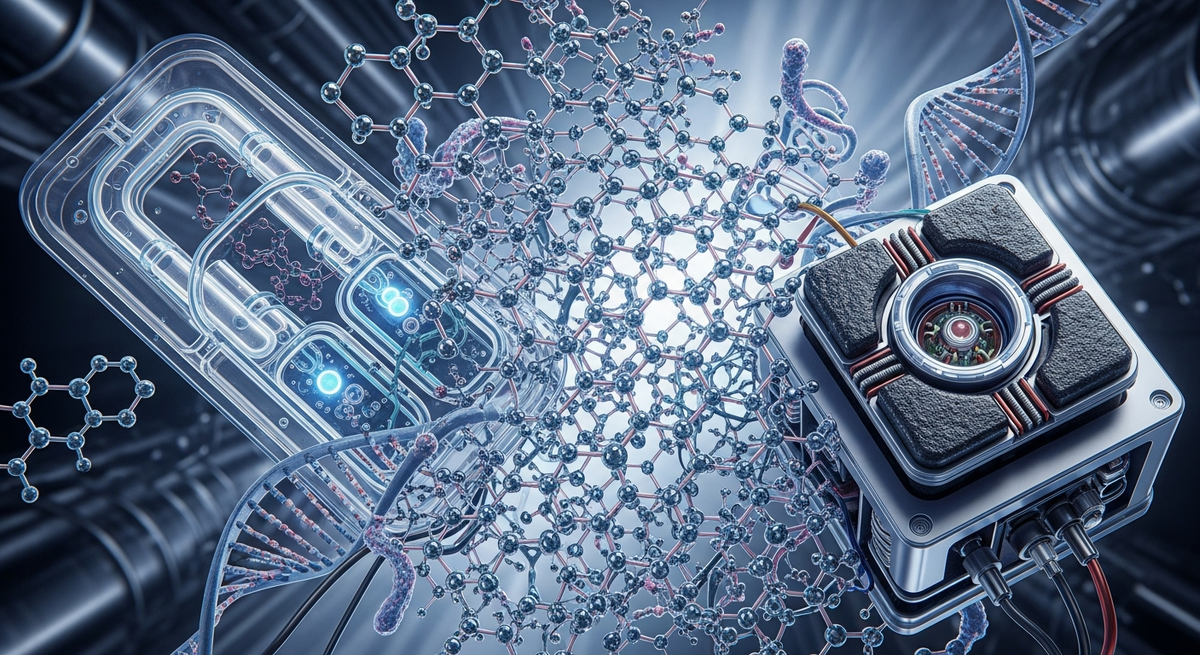
The landscape of advanced materials continues to evolve rapidly, with graphene standing at the forefront of innovation. This two-dimensional, one-atom-thick sheet of sp2 hybridized carbon atoms presents an unparalleled combination of properties. Its exceptional electrochemical, thermal, optical, and mechanical characteristics distinguish it among all carbonaceous nanomaterials, making it a pivotal component in next-generation technologies. These intrinsic advantages pave the way for its integration into highly sophisticated applications, particularly in the biomedical and energy sectors.
One of the most compelling attributes of graphene and its derivatives is their remarkable biocompatibility. This feature is not merely a bonus but a fundamental enabler for creating interfaces with biological systems. The ability to seamlessly integrate biorecognition elements and bioelectrocatalysts onto graphene-based platforms is a significant leap forward. Such integration is essential for the construction of highly sensitive and reliable biosensors and efficient biofuel cells, addressing critical needs in healthcare and sustainable energy.
This discussion will explore the transformative role of graphene in the development of electrochemical biosensors and biofuel cells. We will delve into the advanced bioconjugation techniques that leverage graphene's unique surface chemistry for immobilizing diverse biological components. Furthermore, we will examine the various electrochemical detection platforms optimized by graphene, from amperometric to field-effect transistor-based sensing, and scrutinize how these innovations are poised to reshape diagnostics and energy conversion technologies.
Graphene’s Unmatched Edge for Electrochemical Biosensors and Biofuel Cells
Graphene’s distinct atomic structure, a highly ordered lattice of sp2 hybridized carbon, confers a suite of properties that are unmatched by other materials. Its exceptional electron conductivity, for instance, surpasses that of even carbon nanotubes, making it an ideal substrate for electron transfer reactions critical in biosensors and biofuel cells. This superior conductivity facilitates rapid signal transduction and enhances the efficiency of biocatalytic processes, which are fundamental to the operation of these devices.
Beyond its electrical prowess, graphene offers an extraordinary surface area, which is crucial for maximizing the immobilization of biorecognition elements and biocatalysts. A larger active surface allows for a higher density of biological agents, leading to increased sensitivity in biosensors and greater power output in biofuel cells. The two-dimensional nature of graphene ensures that a significant proportion of these immobilized molecules remain accessible for interaction, optimizing device performance.
Furthermore, the versatility of graphene derivatives, such as graphene oxide (GO), plays a vital role in expanding its applicability. Graphene oxide, typically prepared by oxidizing graphite in strong mineral acids followed by exfoliation via ultrasound, possesses numerous surface oxygen functionalities like carboxyls, hydroxyls, and epoxy groups. While these groups partially disrupt the in-plane sp2 conductivity, they significantly enhance GO's solubility in aqueous solutions and provide abundant sites for chemical modification and bioconjugation. Subsequent reduction of GO can then partially restore its electrical conductivity, allowing for a tailored balance of surface chemistry and electrical performance.
Diverse Biorecognition Elements and Graphene Integration
The effective functioning of electrochemical biosensors hinges on the precise immobilization of biorecognition elements onto an electrode surface. Graphene and its derivatives provide an excellent platform for this due to their high surface area, robust electrical properties, and tunable surface chemistry. These materials facilitate the stable attachment and functional preservation of various biological molecules, enabling highly specific detection of analytes.
Enzymatic biosensors represent a cornerstone of diagnostic technology, utilizing the specific catalytic activity of enzymes to detect target molecules. Graphene-based electrodes excel in this application, supporting the immobilization of enzymes like glucose oxidase for glucose detection. The high conductivity of graphene enhances direct electron transfer between the enzyme and the electrode, improving sensitivity and reducing response times in amperometric and field-effect transistor (FET)-based devices. This direct interaction is crucial for efficient signal generation from enzymatic reactions.
Nucleic acid-based biosensors, including DNA biosensors, leverage the highly specific hybridization of complementary DNA or RNA strands. Graphene’s large surface area allows for the dense immobilization of probe DNA, while its excellent conductivity enables sensitive detection of hybridization events through amperometric, impedimetric, or FET-based methods. These devices hold immense promise for genetic diagnostics and pathogen detection, offering rapid and accurate results by detecting specific genetic sequences.
Immunosensors, which rely on the highly specific antigen-antibody recognition, also benefit significantly from graphene integration. The robust surface of graphene provides a stable platform for antibody immobilization, ensuring their activity and orientation. This enhances the capture efficiency of target antigens, leading to improved sensitivity and selectivity. Amperometric, FET, and impedimetric detection schemes are all effectively amplified by graphene's properties, making it a critical material for detecting biomarkers related to various diseases.
Aptamer-based sensors utilize synthetic nucleic acid or peptide molecules (aptamers) that bind to specific target molecules with high affinity. Graphene offers an ideal surface for aptamer immobilization, allowing for conformational changes upon target binding that can be transduced into an electrical signal. These sensors, often employing amperometric, FET, or impedimetric detection, are gaining traction for detecting proteins, small molecules, and even whole cells, providing a versatile alternative to antibody-based systems.
Lectin–glycan-based biosensors represent another emerging class, focusing on the specific recognition between lectins and carbohydrate structures (glycans). Graphene platforms facilitate the immobilization of lectins while maintaining their binding activity, enabling the detection of glycosylated biomarkers. This area is particularly relevant for understanding cell surface interactions and diagnosing diseases with altered glycosylation patterns, such as certain cancers.
Advanced Immobilization and Signal Amplification Techniques on Graphene
The efficacy of graphene-based biosensors and biofuel cells is heavily reliant on sophisticated immobilization techniques that ensure the stability and functionality of biological components. Bioconjugation on graphene involves various strategies, from physical adsorption through pi-pi stacking interactions to covalent bonding facilitated by graphene oxide's functional groups. These methods are carefully chosen to preserve the native activity of enzymes, antibodies, nucleic acids, aptamers, and lectins while ensuring their firm attachment to the electrode surface.
For instance, the carboxyl and hydroxyl groups on graphene oxide provide convenient sites for amide bond formation with amine-terminated biomolecules, a common strategy for stable covalent immobilization. Non-covalent approaches, such as strong hydrophobic interactions and pi-pi stacking between aromatic residues of biomolecules and graphene's basal plane, also offer effective immobilization without chemical modification of the biomolecule. These diverse options allow researchers to optimize the interface for a wide range of biological recognition elements, tailoring the surface for specific applications.
Recent advancements in signal amplifying methods further push the boundaries of detection limits and sensitivity. The integration of metal nanoparticles, such as gold or silver nanoparticles, with graphene platforms is a prominent trend. These nanoparticles provide additional surface area for biomolecule loading, enhance electron transfer kinetics, and can act as catalytic sites or labels for amplified electrochemical signals. Their plasmonic properties can also be exploited in optical detection schemes, adding another layer of versatility to graphene-based sensors.
Electrochemically active labels represent another powerful signal amplification strategy. These labels, attached to the biorecognition element, generate a measurable electrochemical signal upon binding to the target analyte. When used in conjunction with graphene's high conductivity, these labels can significantly boost the overall signal-to-noise ratio, enabling the detection of extremely low concentrations of analytes. The judicious selection and integration of these advanced immobilization and amplification techniques are critical for developing next-generation high-performance graphene biosensors.
Graphene’s Role in Biofuel Cells: Sustainable Energy Conversion
Biofuel cells (BFCs) represent a promising frontier in sustainable energy, converting the chemical energy stored in organic substrates directly into electricity through biocatalytic reactions. These devices, much like conventional fuel cells, consist of an anode and a cathode, where a coupled oxidation of a supplied biofuel and a reduction of a depolarizer occur. Graphene-based electrodes are proving to be game-changers in improving the efficiency and power output of these systems.
The high electrical conductivity and vast surface area of graphene provide an ideal platform for immobilizing bioelectrocatalysts, whether they are isolated enzymes or whole microbial cells. In enzymatic biofuel cells, graphene facilitates direct electron transfer between the active sites of enzymes and the electrode surface. This direct pathway minimizes energy losses and maximizes the catalytic current, leading to higher power densities. Furthermore, graphene's stability helps maintain enzyme activity over extended periods, enhancing the longevity of the biofuel cell.
For microbial biofuel cells, graphene-based electrode interfaces offer an excellent environment for microbial adhesion and biofilm formation. The conductive nature of graphene promotes efficient extracellular electron transfer from microorganisms to the electrode, a critical process for electricity generation. Unlike enzymatic systems that often rely on the specificity of a single enzyme, microbial BFCs can employ whole microbial cells or multiple enzyme cascades, allowing for a more complete and effective oxidation of complex biofuels. This broadens the range of usable fuel sources and improves overall energy conversion efficiency.
Historically, carbon nanomaterials like carbon nanotubes (CNTs) have been explored for biocatalyst immobilization due to their good electron conductivity and enhanced surface area. However, graphene has emerged as an even superior electron conductor and can often be prepared more cost-effectively, particularly through methods involving graphene oxide. This economic advantage, combined with its outstanding electrochemical properties, positions graphene as the material of choice for developing robust and high-performing enzymatic and microbial biofuel cells, pushing towards more practical and scalable bioenergy solutions.
FAQ: Graphene Biosensors and Biofuel Cells
What makes graphene ideal for biosensors and biofuel cells?
Graphene is a 2D, one-atom-thick material with exceptional electron conductivity, high surface area, and robust mechanical properties. Its inherent biocompatibility and tunable surface chemistry, especially through graphene oxide derivatives, allow for stable and functional immobilization of diverse biological recognition elements and biocatalysts, enhancing device sensitivity and efficiency.
What types of biorecognition elements can be integrated with graphene for biosensors?
Graphene platforms can effectively immobilize a wide range of biorecognition elements. These include enzymes for catalytic reactions, antigens/antibodies for immunosensing, nucleic acids for DNA/RNA detection, aptamers for specific molecular binding, and lectins/glycans for carbohydrate recognition, facilitating diverse diagnostic applications.
How does graphene enhance the performance of electrochemical detection platforms?
Graphene significantly improves electrochemical detection by providing an excellent electron transfer pathway, boosting signal transduction in amperometric systems. Its high surface area and tunable electrical properties enhance sensitivity and reduce detection limits in impedimetric devices, while its semiconductor properties are leveraged for highly sensitive field-effect transistor (FET)-based biosensors.
What are the main types of biofuel cells that utilize graphene?
Graphene is primarily utilized in two main types of biofuel cells: enzymatic biofuel cells and microbial biofuel cells. In enzymatic BFCs, graphene supports isolated enzyme immobilization for direct electron transfer. In microbial BFCs, graphene electrodes facilitate efficient extracellular electron transfer from whole microbial cells or complex enzyme cascades, improving energy conversion.
What are the key advantages of graphene over carbon nanotubes for these applications?
Graphene is recognized as an even better electron conductor than carbon nanotubes, offering superior charge transfer kinetics. Furthermore, graphene can often be prepared more cheaply, particularly through methods involving graphene oxide, making it a more economically viable and scalable option for developing advanced bioelectronic devices.
The Future Trajectory of Graphene in Bioelectronics
The integration of graphene and its derivatives into electrochemical biosensors and biofuel cells marks a significant advancement in bioelectronic technologies. The material's unique combination of high conductivity, exceptional surface area, and inherent biocompatibility provides an unparalleled platform for interfacing with biological systems. From highly sensitive diagnostics for disease biomarkers like those for cancer and rheumatoid arthritis to efficient systems for converting biochemical energy into electricity, graphene is fundamentally enhancing the capabilities and performance of these critical devices.
The ongoing research into novel immobilization techniques, advanced signal amplification strategies, and the refined control over graphene's surface chemistry will continue to unlock new possibilities. As we move forward, the scalability and cost-effectiveness of graphene production will be key factors in its widespread adoption across industries. Exploring the full potential of graphene in both biosensing and bioenergy applications remains a compelling area for scientific and engineering endeavor. For more detailed insights into how graphene can elevate your R&D projects, explore the resources available at usa-graphene.com.
Evaluate Our Quality
Serious about B2B integration? Test our premium Pulsed Electrical Resistive Carbon Heating turbostratic graphene in your lab. 100g sample packs available now.
Explore More
Related Research & Articles


Graphene-Based Solar Cells: Architecture and Efficiency
Explore the molecular theory of graphene chemical modification and discover how precise oxidation framing enhances advanced solar cell efficiency.
