
Graphene Skin Patch for Melanoma: What the New ACS Nano Study Shows
A new ACS Nano study reports a flexible laser-induced graphene and copper oxide skin patch that used mild heat to release copper ions into melanoma tumors in mice.
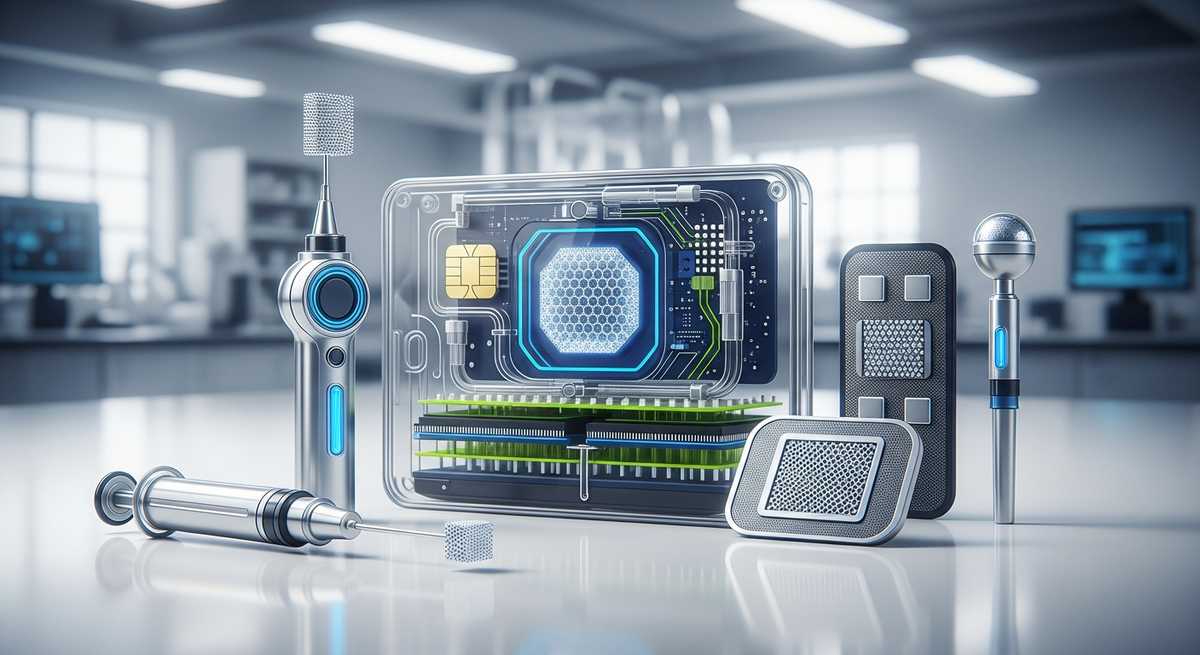
In the rapidly evolving landscape of medical diagnostics and life sciences, the demand for highly sensitive, selective, and robust biosensors has never been greater. Traditional sensing technologies, while effective, often face limitations in terms of detection limits, speed, and integration into compact, real-time devices. This is where graphene, the revolutionary two-dimensional material, emerges as a game-changer, promising to redefine the capabilities of biodevices and profoundly impact healthcare.
At usa-graphene.com, we recognize graphene's unparalleled potential. Its unique electronic, thermal, and mechanical properties have positioned it at the forefront of innovation, particularly in the realm of biosensing. From ultra-precise DNA detection to advanced protein analysis and cellular monitoring, graphene-based field-effect transistors (FETs) are proving to be exceptionally promising candidates for the next generation of nanoelectronic biosensors. This blog post delves into the fascinating world of graphene biodevices, exploring their underlying principles, diverse applications, and the exciting future they herald for scientific research and clinical practice.
Graphene, a single layer of carbon atoms arranged in a hexagonal lattice, possesses a suite of extraordinary properties that distinguish it from conventional materials. These attributes are not merely theoretical; they translate directly into tangible advantages for biosensing applications, offering performance characteristics previously unattainable. Understanding these fundamental properties is key to appreciating why graphene stands out as the material of choice for high-performance biodevices.
Foremost among these is graphene's remarkable electrical conductivity, characterized by exceptionally high intrinsic carrier mobility and bipolar field-effect characteristics. These electronic properties enable rapid and efficient charge transfer, making graphene an ideal transducer for converting biological recognition events into electrical signals. When target molecules interact with the graphene surface, they induce changes in its electrical conductivity, forming the basis of its sensing mechanism. This extreme sensitivity allows for the detection of even minute quantities of biomarkers, crucial for early disease diagnosis.
Beyond its electrical prowess, graphene offers impressive physical and structural advantages. Its atomic thickness provides an immense surface-to-volume ratio, maximizing the interaction sites for biomolecules and enhancing sensitivity. Furthermore, graphene exhibits superior mechanical strength and flexibility, opening doors for the development of wearable and implantable biosensors that seamlessly integrate with biological systems. The material's transparency also offers unique opportunities for integration with optical detection methods, creating multi-modal sensing platforms.
While pristine graphene boasts exceptional qualities, its derivatives, particularly reduced graphene oxide (RGO), also play a pivotal role. RGO, obtained through the reduction of graphene oxide (GO), retains many of graphene's beneficial properties while offering distinct advantages in terms of scalability, cost-effective synthesis, and excellent biocompatibility. Crucially, the presence of various chemical groups on the surface of RGO makes it highly amenable to chemical modifications, enabling precise functionalization for specific target recognition. This tailorability is vital for achieving the high selectivity required in complex biological environments, allowing researchers to design sensors that accurately identify their intended targets without interference.
At the heart of many advanced graphene biodevices lies the field-effect transistor (FET) architecture. Graphene FETs leverage the material's extraordinary electronic properties to create highly sensitive and selective sensors that can detect a wide range of biological and chemical molecules. The operational principle of these sensors is elegantly simple yet incredibly powerful: the adsorption of target molecules onto the graphene surface induces a detectable change in the electrical conductivity of the graphene channel.
In a graphene FET biosensor, the graphene layer acts as the semiconductor channel, connecting source and drain electrodes. A gate electrode, often separated by a dielectric layer or present in a liquid-gated configuration, controls the carrier concentration within the graphene, thereby modulating its conductivity. When specific biomolecules, such as DNA, proteins, or cells, bind to the functionalized graphene surface, they introduce either charge (positive or negative) or alter the local electrostatic environment. This charge perturbation or field effect directly influences the carrier concentration in the graphene channel.
For instance, if a positively charged molecule adsorbs onto the graphene, it can deplete electrons or inject holes into the graphene, leading to a change in current flow. Conversely, negatively charged molecules would have the opposite effect. This change in electrical conductivity—manifested as a shift in the Dirac point or an alteration in the source-drain current—is then measured and correlated with the concentration of the target analyte. The atomic thickness and high carrier mobility of graphene mean that even small numbers of adsorbed molecules can produce a significant and measurable electrical signal, ensuring ultra-high sensitivity.
To achieve selectivity, the graphene surface is typically functionalized with specific recognition elements, such as antibodies, aptamers, enzymes, or complementary DNA strands. These bioreceptors bind exclusively to their target molecules, preventing false positives and ensuring accurate detection in complex biological samples. The ability to precisely control the surface chemistry of graphene, especially RGO, through various modification strategies, is a key enabler for developing highly selective and multiplexed biosensing platforms. This sophisticated interplay between graphene's electronic properties and its chemically modifiable surface makes graphene FETs a cornerstone technology for future biosensing applications.
Targeting Life's Building Blocks: DNA and Nucleic Acid Detection
One of the most significant and rapidly advancing applications of graphene-based FET biosensors is in the detection of DNA and other nucleic acids. The ability to accurately and sensitively detect specific DNA sequences holds immense promise for genetic diagnostics, pathogen identification, and personalized medicine. Graphene’s unique properties are particularly well-suited for this critical task, offering advantages over conventional methods in terms of speed, simplicity, and sensitivity.
The fundamental interaction enabling DNA detection on graphene is the π–π stacking interaction. The hexagonal carbon ring structure of graphene provides an ideal surface for π–π interactions with the ring structures present in nucleobases (adenine, guanine, cytosine, thymine). This natural affinity facilitates the stable immobilization of probe DNA strands onto the graphene surface and subsequently promotes the hybridization of complementary target DNA. This non-covalent, yet strong, interaction forms the basis for highly accurate and specific nucleic acid sensing platforms.
Early groundbreaking work by Mohanty and Berry in 2008 demonstrated the feasibility of using graphene for DNA detection. Their experiments meticulously characterized the electrical changes occurring upon the hybridization of probe DNAs anchored on a graphene sheet with complementary DNA strands. A significant finding was the observed increase in response current, primarily attributed to the generation or removal of charge carriers (holes) upon successful hybridization. Importantly, no such variation was observed with non-complementary DNA, highlighting the selective nature of the graphene sensor. This pioneering research provided a clear direction for the development of highly sensitive, label-free biosensors using graphene materials.
Subsequent advancements have further solidified graphene’s role in this area. For instance, Dong et al. successfully fabricated electrical devices using large-size graphene sheets grown by chemical vapor deposition (CVD) for DNA detection. These devices exhibited remarkable sensitivity, achieving detection limits as low as ~0.01 nM in buffer solution, significantly outperforming traditional double-walled carbon nanotube (DWNT) network devices. Moreover, their devices showcased the impressive capability to distinguish single-base mismatch DNA, a critical feature for identifying genetic mutations and subtle variations. This level of precision is invaluable for early disease diagnosis, forensic analysis, and the development of targeted therapies, underscoring graphene's transformative potential in genomic analysis.
While nucleic acid detection represents a cornerstone application, the versatility of graphene FET biosensors extends far beyond DNA. Graphene's tunable surface chemistry, high sensitivity, and biocompatibility make it an ideal platform for detecting a diverse array of biological molecules and entities, including proteins, cells, bacteria, and metabolites like glucose. These broad applications underscore graphene's potential to revolutionize diagnostics across various medical and environmental fields.
Protein Detection: Proteins are essential biomarkers for numerous diseases, from cancer to infectious diseases. Graphene FETs can be functionalized with specific antibodies or aptamers that selectively bind to target proteins. Upon binding, the protein induces a change in the charge environment or dielectric properties near the graphene surface, leading to a measurable alteration in the FET’s electrical conductivity. This label-free and real-time detection capability offers significant advantages over conventional immunoassay techniques, providing rapid and accurate quantification of disease biomarkers. For example, specific cancer biomarkers or viral antigens can be detected at very low concentrations, enabling earlier and more effective intervention.
Cells and Bacteria Detection: The ability to rapidly and sensitively detect specific cells or bacteria is crucial for clinical diagnostics, food safety, and environmental monitoring. Graphene's atomically thin and conductive surface can directly interact with cell membranes or specific bacterial surface components. Functionalizing graphene with cell-specific ligands or antimicrobial peptides allows for the selective capture and detection of target cells or pathogens. The binding of these larger biological entities causes distinct electrical perturbations on the graphene surface, enabling real-time monitoring and identification of microbial contamination or cancerous cells. This technology holds promise for rapid pathogen identification in hospitals, preventing outbreaks, and for advanced cell-based therapies.
Glucose Detection: Managing diabetes effectively relies on accurate and frequent glucose monitoring. Graphene-based biosensors offer a promising alternative to traditional glucose meters, which often require enzymatic reactions and can be prone to interference. Graphene FETs can be integrated with glucose oxidase (GOx) enzymes or designed for non-enzymatic glucose detection. In enzymatic sensors, the catalytic breakdown of glucose by GOx produces hydrogen peroxide and gluconic acid, which alter the local pH and charge, detectable by the graphene FET. Non-enzymatic graphene sensors leverage the direct electrochemical oxidation of glucose on the graphene surface. These sensors offer high sensitivity, fast response times, and the potential for continuous, minimally invasive glucose monitoring, significantly improving the quality of life for diabetic patients.
Other Applications for Biosensors: The application spectrum of graphene-based sensors is incredibly vast. As alluded to in the research, graphene FETs are also being developed for detecting a range of chemical molecules. This includes highly sensitive detection of gaseous molecules (relevant for environmental monitoring and breath analysis), metal ions (important for water quality and toxicology), and accurate pH measurements (crucial for biological processes and chemical reactions). The adaptable nature of graphene's surface and its exceptional signal transduction properties mean that its integration into various sensing platforms is limited only by scientific ingenuity.
The journey of graphene biodevices from laboratory curiosity to widespread clinical and industrial application is marked by both exhilarating opportunities and significant challenges. While the extraordinary properties of graphene promise to revolutionize biosensing, addressing current hurdles is essential for unlocking its full potential and ensuring robust, reliable, and scalable solutions for real-world scenarios.
One of the primary challenges lies in the scalable and reproducible fabrication of high-quality graphene materials and devices. Achieving consistent performance across batches, particularly for complex FET architectures, is crucial for industrial adoption. Ensuring long-term stability of graphene biodevices in harsh biological environments, which often involve varying pH, ionic strengths, and the presence of biofouling agents, is another critical area of focus. Developing effective passivation layers or surface modification strategies to maintain sensor integrity and sensitivity over extended periods remains an active research frontier.
Furthermore, the complexity of biological matrices—such as blood, urine, or saliva—presents significant challenges. Non-specific adsorption of interfering molecules can compromise the selectivity and accuracy of graphene biosensors. Ongoing research is dedicated to developing advanced surface functionalization techniques and microfluidic integration strategies to mitigate these issues, ensuring that graphene sensors can perform reliably in real clinical samples. Standardization of testing protocols and regulatory approvals for novel medical devices also represent significant hurdles that need careful navigation.
Despite these challenges, the opportunities for graphene biodevices are immense and continue to expand. The inherent miniaturization capabilities of graphene-based sensors pave the way for ultra-compact, portable diagnostic devices, enabling point-of-care diagnostics in remote settings or at home. Their flexibility and biocompatibility are driving the development of next-generation wearable biosensors for continuous health monitoring, tracking vital signs, and detecting early markers of disease in a non-invasive manner. The integration of graphene sensors with artificial intelligence and machine learning algorithms promises to create intelligent diagnostic platforms capable of processing complex biological data and providing personalized health insights.
Looking ahead, graphene biodevices are poised to play a transformative role in personalized medicine, enabling tailored treatments based on an individual's unique biological profile. Their potential to facilitate rapid, accurate, and cost-effective detection of diseases at their earliest stages, along with continuous monitoring capabilities, holds the key to improving global health outcomes. The ongoing research and development in this exciting field promise a future where advanced diagnostics are more accessible, efficient, and integrated into our daily lives.
Graphene, with its exceptional electronic, thermal, and mechanical properties, is undeniably at the vanguard of innovation in biosensing and medical diagnostics. The development of graphene field-effect transistor (FET) biosensors has already demonstrated remarkable capabilities in detecting a wide array of biological targets, from DNA and proteins to cells and glucose, with unprecedented sensitivity and selectivity. These advancements promise a future where diagnostic tools are more precise, faster, and seamlessly integrated into healthcare workflows.
As we continue to push the boundaries of materials science and bioengineering, graphene biodevices are set to unlock new possibilities in personalized medicine, point-of-care diagnostics, and continuous health monitoring. The ongoing efforts to overcome current challenges in scalability, stability, and integration are paving the way for graphene's widespread adoption in clinical and industrial applications. This exciting field offers a glimpse into a future where early detection, proactive health management, and tailored treatments become the norm, profoundly impacting global well-being.
Explore the transformative potential of this cutting-edge material and stay informed about the latest advancements in graphene technology. Visit usa-graphene.com to learn more about our commitment to bringing the power of graphene to industries worldwide, including the rapidly evolving field of biodevices. Discover how graphene is enabling a healthier, more connected future.
Serious about B2B integration? Test our premium Pulsed Electrical Resistive Carbon Heating turbostratic graphene in your lab. 100g sample packs available now.
Explore More
A new ACS Nano study reports a flexible laser-induced graphene and copper oxide skin patch that used mild heat to release copper ions into melanoma tumors in mice.

Graphene is transforming tissue engineering by enhancing biomaterial properties for optimal cell growth and tissue repair. Discover how its unique mechanical, electrical, and biocompatible characteristics are paving the way for next-generation medical implants and regenerative therapies.

Discover how graphene nanosheets are revolutionizing the fight against dangerous bacteria and fungi, offering robust solutions to microbial resistance. Explore its unique mechanisms and vast potential in environmental and clinical applications.