applications
Graphene-Based Marine Coatings for Barnacle Growth Reduction: Scientific Evidence and Ship-Hull Performance
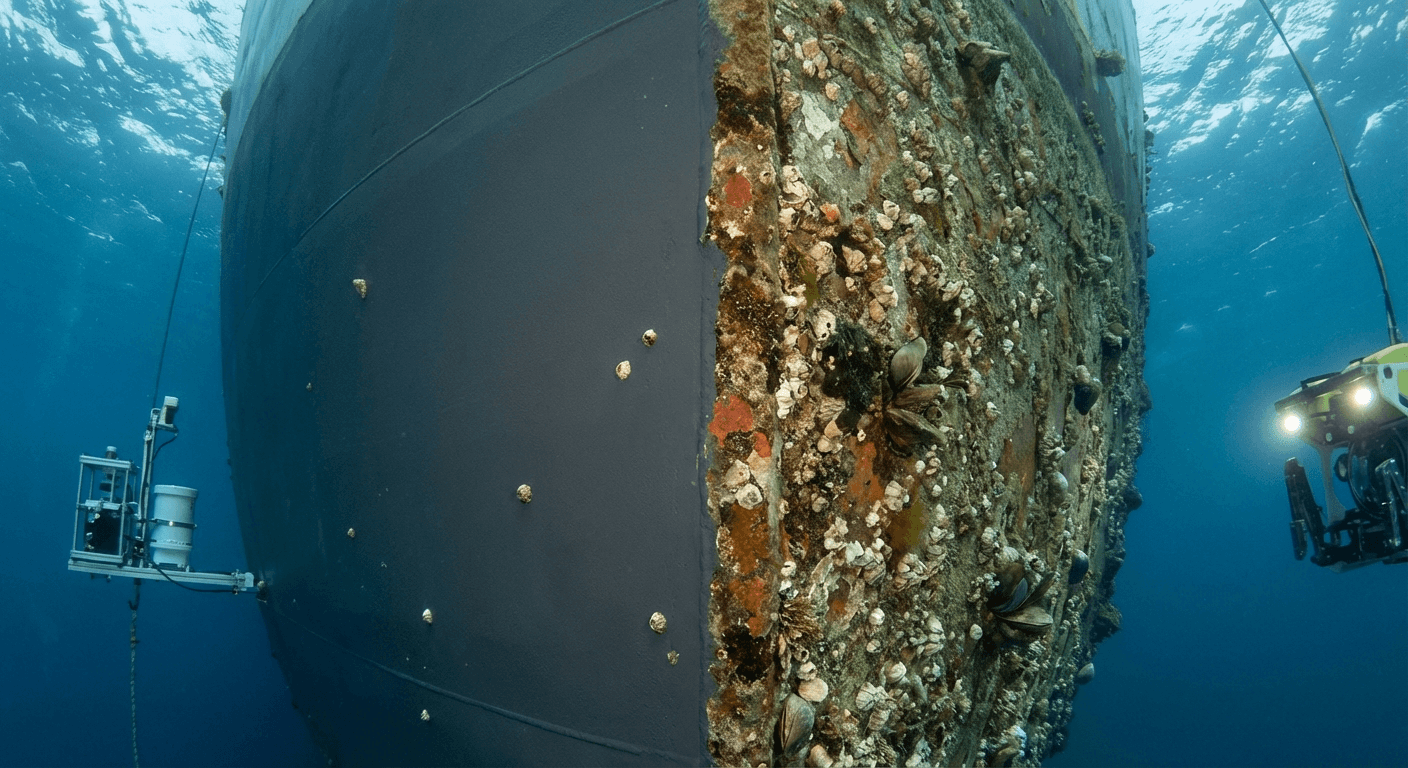
Marine biofouling remains one of the most expensive and persistent operational challenges in global shipping. The process is ecological and sequential: once a hull enters seawater, a conditioning film forms quickly, microbial biofilms establish, and then larger fouling organisms such as barnacles, tubeworms, and macroalgae attach and grow. This biological buildup increases hull roughness, raises hydrodynamic drag, increases fuel consumption, and can materially reduce vessel speed margins. For operators managing fuel cost volatility and tighter emissions limits, reducing barnacle growth is not only a maintenance issue—it is a direct efficiency and compliance issue.
Historically, antifouling paints relied heavily on biocidal release. While these systems can be effective, regulatory pressure and environmental scrutiny have pushed the industry toward smarter, lower-toxicity approaches. One of the most studied pathways is graphene-enhanced marine coatings. In current scientific practice, graphene is usually used as a high-performance additive within epoxy, polyurethane, waterborne coatings, or hybrid systems, rather than as a standalone pure graphene film. The objective is to engineer a coating that maintains low roughness and high integrity long enough to disrupt the progression from early microfouling to heavy barnacle colonization.
Read more
Mechanical durability is another central factor. Marine coatings fail under abrasion, impact, flexural strain, thermal cycling, UV exposure, and wet-dry cycling. Graphene-reinforced systems can show improved hardness, crack resistance, and adhesion retention when dispersion and resin compatibility are well engineered. Better mechanical retention means fewer defect pathways, less localized failure, and a lower chance that isolated damage points become nuclei for fouling and corrosion spread. For ships operating in sediment-heavy waters or frequent port calls, this durability dimension can be as important as nominal antifouling chemistry.
However, literature also makes clear that graphene is not a plug-and-play miracle additive. Performance depends strongly on formulation quality. The first major risk is agglomeration: poorly dispersed graphene creates heterogeneity and defects that can undermine both barrier and surface performance. The second is loading optimization: too little may produce minimal benefit; too much can increase viscosity, compromise application quality, and create microvoids. The third is interface chemistry: functionalized graphene oxide often integrates more reliably with practical coating binders than untreated graphene in many systems. In short, outcomes are determined by formulation science, not label claims.
For shipping companies and coating engineers, evidence-based qualification should include both corrosion and fouling m…
Read more
Selected literature anchors relevant to this topic include studies on graphene/waterborne epoxy marine corrosion behavior (DOI: 10.1098/rsos.191943), GO-based epoxy zinc-rich marine coating resistance (DOI: 10.3390/polym13101657), functionalized GO barrier enhancement in epoxy (DOI: 10.1016/j.corsci.2015.11.054), and graphene/GO antifouling mechanism work in epoxy systems (DOI: 10.1021/acsomega.5c09053). Together, these provide a practical scientific foundation for barnacle-growth-reduction strategies in next-generation marine paint design.