applications
Graphene and Human Health: How Advanced Materials Can Improve Thermal Comfort, Rehabilitation, and Preventive Care
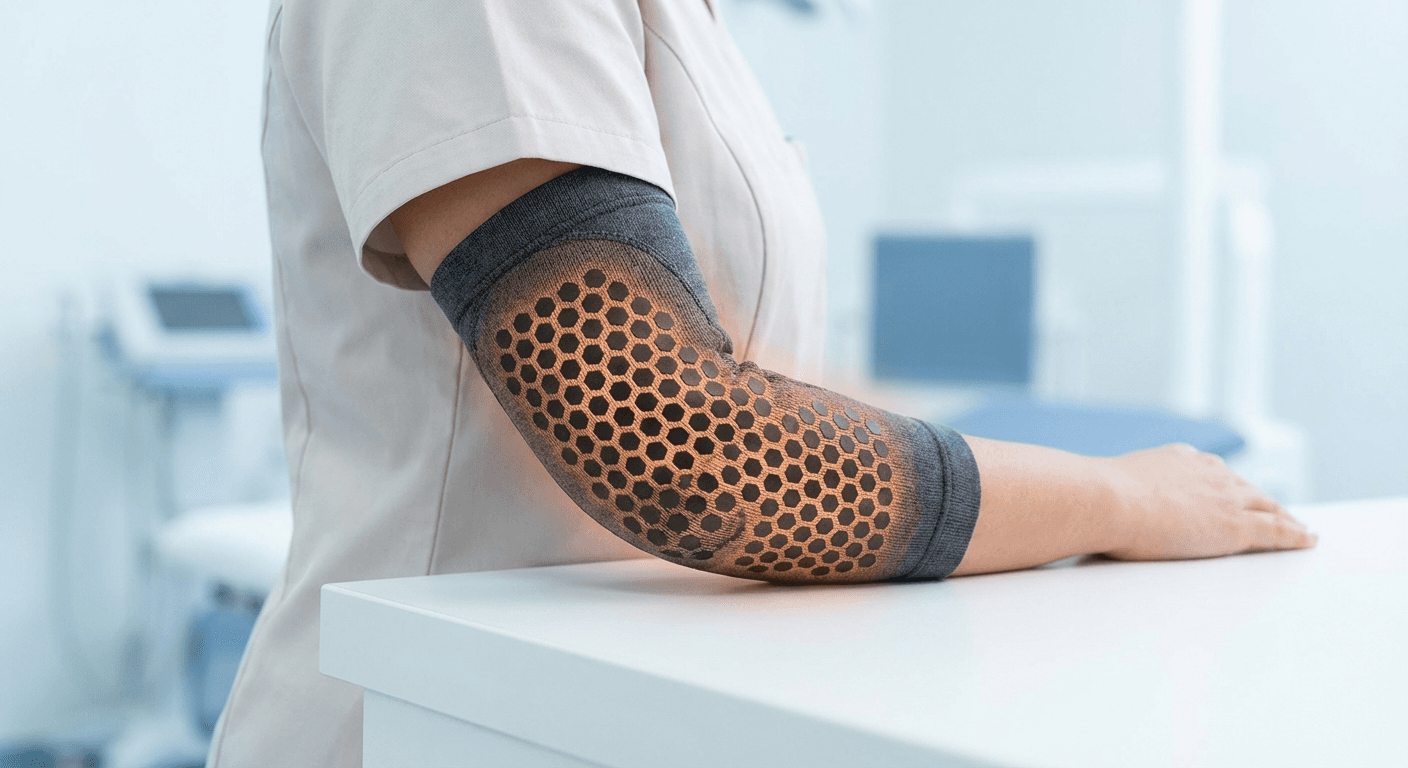
A new generation of thermal systems is emerging from an unexpected place: advanced fabrics. Instead of relying on bulky metal heaters, heavy coils, and complex wire routing, engineers are increasingly exploring conductive textiles built with graphene-enhanced structures. The concept is simple but powerful: distribute heat over broad surfaces using thin, flexible layers that can be integrated into existing components.
This approach is especially exciting in two environments that seem very different but share similar thermal constraints: electric buses and deep diving equipment. In buses, cabin comfort must be delivered quickly without consuming interior space or adding excessive weight. In deep diving, warmth is a safety requirement, but diver suits must stay flexible, compact, and reliable under pressure. In both cases, graphene-infused heating fabrics offer a practical route to better thermal performance with cleaner system architecture.
Why graphene textiles are attractive for heating
Graphene and graphene-derived conductive networks are appealing for resistive heating because they can form lightweight, flexible, and electrically active layers. When current passes through a well-designed conductive textile, heat is generated across the surface rather than at a single coil or point source. That creates more uniform temperature profiles and can reduce local hotspots.
For product engineers, the key advantages are not only conductivity but integration behavior: thin form factor, bend tolerance, and compatibility with laminates and composites. A heating element that behaves like a fabric can be embedded into panels, bonded behind interior surfaces, or layered inside protective garments without the rigid geometry of legacy heating hardware.
Electric bus panels: heating without giving up cabin space
Electric buses must optimize every kilogram and every cubic centimeter. Traditional cabin heating solutions can occupy valuable space and introduce packaging complexity. Graphene heating fabrics change the layout model: instead of treating heaters as separate bulky modules, thermal function can be integrated directly into wall, side, and interior panel assemblies.
That has multiple system-level benefits:
1. Space efficiency
Heating elements become part of the panel structure, freeing room for passengers, cable routing, and service access.
2. Distributed comfort
Large-area panel heating can reduce cold zones and improve perceived comfort without forcing high peak air temperatures.
3. Fast warm-up behavior
A broad resistive surface can respond quickly, especially when coupled with smart control zones.
4. Lower acoustic impact
Panel-based radiant and convective support can reduce dependence on loud fan-driven heating cycles.
5. Design flexibility
Manufacturers can place heat where passengers actually need it rather than where bulky modules can physically fit.
For fleet operators, the business case includes comfort quality, maintenance simplicity, and potentially lower HVAC cycling stress. In electric platforms where auxiliary energy loads matter, better-directed thermal management can improve overall efficiency strategy.
Deep diving suits: warmth, mobility, and reduced wiring burden
Deep diving introduces a different challenge: high heat loss, harsh conditions, and strict reliability needs. Divers need consistent warmth but cannot be burdened by stiff, heavy, failure-prone heating assemblies. Traditional electrically heated garments may involve dense wire runs and rigid zones that restrict movement.
Graphene-infused heating fabrics provide a more body-conforming solution. Because conductive layers can be patterned and distributed, designers can place heating where physiology demands it most—core zones, critical muscle groups, and circulation-sensitive areas—while preserving flexibility.
A second advantage is wiring simplification. Distributed conductive fabrics can reduce the amount of heavy cabling required to connect many discrete heating elements. Fewer complex wire branches can improve comfort, simplify suit architecture, and reduce potential mechanical failure points.
From a safety perspective, uniform heat distribution and controlled low-voltage operation are essential. A properly designed graphene-based textile system must include robust insulation, moisture protection, over-current safeguards, and thermal feedback control. With that engineering discipline, flexible heating layers can improve diver endurance while keeping suit mobility high.
Engineering requirements for real deployment
The promise is strong, but success depends on disciplined engineering. Graphene heating textiles should be treated as full electro-thermal subsystems, not decorative smart materials. Key requirements include:
• Stable sheet resistance across manufacturing batches
• Uniform thermal output under realistic bending and vibration
• Reliable encapsulation against humidity, salts, and contaminants
• Mechanical durability under cyclic flex and abrasion
• Safe connector and power interface design
• Closed-loop control using distributed temperature sensing
For buses, validation should include vibration, impact, ingress protection, and long-cycle field operation. For diving suits, pressure cycling, seawater resistance, connector sealing, and emergency-safe fail modes are mandatory.
Control systems matter as much as materials
A high-quality heating fabric is only half the solution. Control electronics determine comfort, safety, and energy use. Multi-zone regulation allows heating to adapt to occupancy and environmental conditions in buses, and to diver workload and water temperature in underwater systems.
Advanced control can prevent over-heating, reduce power spikes, and maintain tighter thermal stability. In electric buses, integration with vehicle energy management can optimize thermal output versus battery state and route profile. In diving applications, responsive control can support diver safety by preserving core temperature without creating thermal shocks.
Manufacturing and scaling outlook
Graphene heating fabrics are moving from proof-of-concept toward scalable products, but consistency remains a central challenge. Uniform dispersion, repeatable conductive pathways, and reliable lamination processes are critical. Manufacturers need clear process windows and quality metrics that track both electrical and thermal performance.
Practical scale-up strategy includes:
• standardized textile substrate and coating specs,
• inline resistance and thermal mapping,
• accelerated aging tests,
• robust connector qualification,
• and design-for-serviceability from day one.
Products that succeed will combine material innovation with production discipline, not just impressive lab demonstrations.
Why this matters now
Electrification and advanced mobility are accelerating demand for lighter, smarter thermal systems. At the same time, extreme-environment wearables are pushing for better performance without added bulk. Graphene-infused heating fabrics sit at the intersection of these needs.
In buses, they can transform heating from a bulky subsystem into an integrated surface function. In deep diving suits, they can improve thermal support while reducing wiring complexity and preserving freedom of movement. The shared value is clear: more heat where needed, less hardware where not needed.
Conclusion
Graphene heating fabrics are not a gimmick—they are a practical design direction for applications where space, flexibility, and thermal control are equally important. Electric bus panel heaters and deep diving thermal suits represent two high-impact use cases where this technology can deliver immediate engineering value.
With proper material control, robust safety design, and intelligent power management, graphene-based textile heating can move from niche innovation to mainstream thermal infrastructure. The future of heating in mobility and extreme environments may not look like metal coils and bulky modules at all—it may look and feel like fabric.