
A New Era of Graphene Engineering: Pre-Designing Twist Angles on Demand
Researchers have developed a breakthrough method for growing twisted bilayer graphene with pre-designed angles, a key step toward manufacturable quantum...
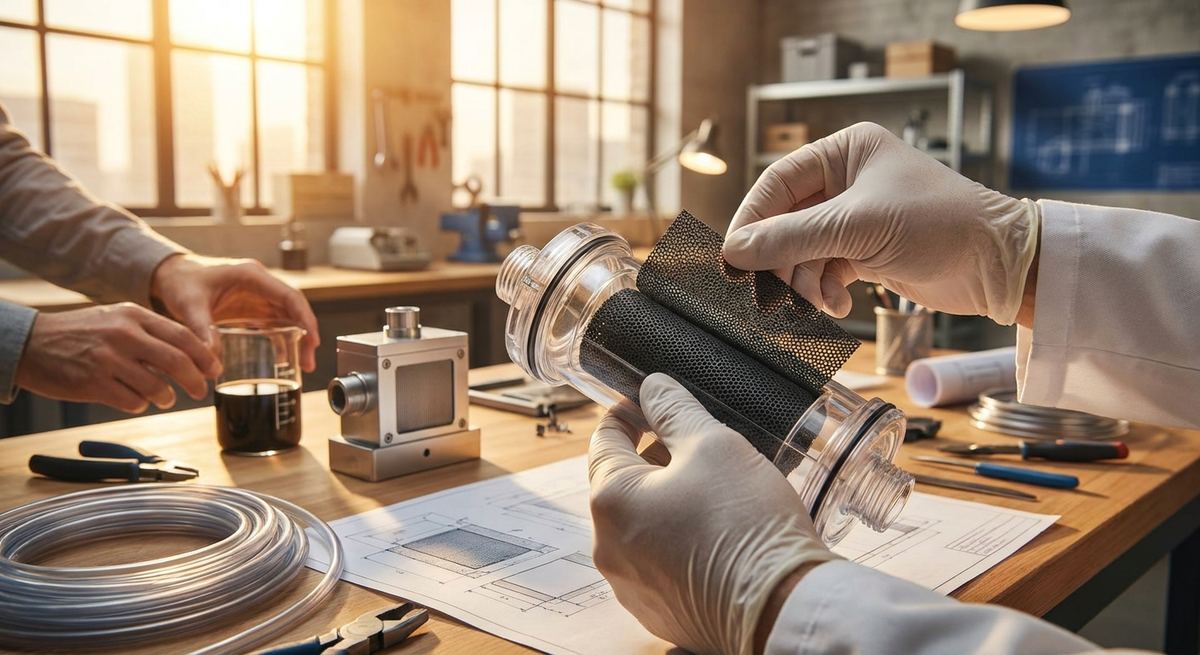
Graphene is a carbon material made of a single layer of atoms arranged in a honeycomb pattern. In water filtration, graphene matters because it can be made into very thin, strong, and highly selective membranes. That means water can pass through quickly while contaminants are blocked.
What makes graphene exciting for a business is the combination of performance and story:
- Fast filtration: thin membranes can allow high flow rates.
- High surface area: useful for adsorption and contaminant capture.
- Strength: graphene-based materials can be durable when properly supported.
- Innovation appeal: customers and investors are attracted to “next-generation” water solutions.
Important practical note: graphene is not magic. A real product still needs a membrane support layer, housing, seals, and testing. The business opportunity is not just “sell graphene,” but “build a reliable filter system using graphene-enhanced media or membranes.”
For a startup, the best entry point is usually not a full municipal-grade membrane. Start with:
- graphene-enhanced activated carbon cartridges
- graphene oxide-coated filter media
- portable point-of-use filters
- specialty filters for camping, emergency kits, and small households
These are easier to prototype, cheaper to produce, and easier to sell.
Clean water is a massive market because customers buy for necessity, safety, and convenience. Your target buyers may include:
- homeowners wanting better-tasting water
- renters who cannot install large systems
- campers and hikers
- disaster-preparedness buyers
- small offices and cafes
- rural households with uncertain water quality
- international buyers in areas with limited infrastructure
Market segments to consider:
1. Household point-of-use filters
- Under-sink units
- Countertop units
- Pitcher-style filters
- Faucet attachments
2. Portable filters
- Camping bottles
- Straw filters
- Gravity bags
- Emergency kits
3. Commercial and institutional
- Small restaurants
- Clinics
- Schools
- Remote work sites
The practical advantage of starting small is that you can validate demand without building a factory. A good first-year goal is to prove:
- people trust the product
- the filter works consistently
- customers are willing to pay enough for margin
Typical pricing ranges:
- simple portable filter: $19 to $49
- household replacement cartridge: $25 to $80
- premium emergency kit: $49 to $129
- small commercial cartridge: $150 to $500+
Your business succeeds if you can keep manufacturing cost low while creating a product that feels high-value and trustworthy.
You can begin as a prototype and market test business for under $500 if you focus on design, basic materials, and pre-sales rather than full manufacturing.
Sample starter budget:
- basic tools: $50 to $100
- filter media samples and cartridges: $80 to $150
- housings, tubing, fittings, seals: $80 to $120
- home water test kits: $40 to $80
- website/domain/listing setup: $20 to $50
- packaging samples and labels: $30 to $60
- contingency: $50 to $100
Practical low-budget business model:
1. Buy or source graphene-enhanced filter media from suppliers.
2. Assemble a simple prototype in a standard housing.
3. Test it with home kits and send samples to a lab if possible.
4. Create product photos, a landing page, and a waitlist.
5. Pre-sell to campers, preparedness communities, and local buyers.
Ways to keep startup costs down:
- use off-the-shelf housings instead of custom molds
- start with one product, not three
- avoid expensive certifications until you have demand
- use simple packaging at first
- sell direct-to-consumer before pursuing retail
If you have limited cash, your first “business” is really a validation project. The goal is to learn what customers want and what performance claims you can safely support.
A simple explanation for customers:
Water flows through a very thin filter layer made with graphene-based material. The tiny spaces in the material can trap particles, bacteria, some chemicals, and bad tastes, while allowing water molecules to pass through.
There are a few ways graphene can be used:
- graphene oxide coating: improves adsorption and can help capture impurities
- graphene-enhanced activated carbon: improves contaminant removal and flow
- graphene membrane: acts as a fine barrier for very small particles
- composite filter layers: combine graphene with other media for better performance
Think of it like a gate with extremely small openings and a sticky surface. The gate blocks unwanted stuff, and the sticky surface can hold onto certain contaminants.
For business purposes, keep your explanation simple:
- “Filters out sediment, improves taste, and helps reduce certain contaminants.”
- “Designed for fast flow and compact size.”
- “Uses graphene-enhanced media for improved performance.”
Do not overpromise. Always specify what the filter is tested to remove.
The easiest prototype is a cartridge-based filter in a standard housing. You are not trying to invent every component. You are combining known parts with graphene-enhanced media.
Materials list for a basic prototype:
- standard filter housing or inline cartridge housing
- graphene-enhanced carbon media or graphene-coated filter insert
- pre-filter mesh or sediment pad
- food-grade tubing
- hose clamps or compression fittings
- silicone O-rings
- end caps or cartridge adapters
- container for clean water output
- funnel or gravity feed setup
- waterproof tape or sealant approved for potable water use
Simple assembly steps:
1. Choose a housing size based on your target use.
- Small inline for camping
- Larger cartridge for home use
2. Add a sediment pre-filter.
- This prevents large particles from clogging the graphene media too quickly.
3. Insert the graphene-based media.
- Use the supplier’s recommended packing density.
- Do not overpack; this reduces flow.
4. Seal the housing.
- Check O-rings and fittings carefully.
- Leak test with plain water first.
5. Run a flush cycle.
- Discard the first several liters or gallons.
- This removes loose particles and air.
6. Measure flow rate.
- Time how long it takes to fill a known container.
7. Record results.
- Keep notes on flow, taste, odor, and pressure drop.
Prototype cost example:
- housing: $20 to $40
- media: $15 to $50
- fittings and tubing: $10 to $25
- seals and accessories: $10 to $20
Total: roughly $55 to $135 for one prototype.
If you want to sell a prototype, make sure it is safe, leak-free, and clearly labeled as unverified until testing is complete.
You do not need a full lab to begin basic testing, but you do need evidence. Home test kits help you compare before-and-after water.
Useful test kits:
- pH strips or digital pH meter
- total dissolved solids (TDS) meter
- chlorine test strips
- hardness test strips
- lead test kit
- nitrate test kit
- bacteria presence test kit
- turbidity tube or turbidity strips
How to test:
1. Test the source water.
2. Run water through the filter.
3. Test the filtered water immediately.
4. Repeat three times to check consistency.
5. Record all results in a spreadsheet.
What to look for:
- lower chlorine levels
- improved taste and odor
- reduced turbidity
- stable flow rate
- no leaks
- no unusual color or particles
Important caution:
Home test kits are useful for development, but they are not enough for making strong health claims. For any serious product launch, send samples to an accredited lab for:
- microbiological testing
- heavy metals testing
- VOC testing if relevant
- flow and lifespan verification
Practical testing budget:
- basic home kits: $30 to $80
- digital meters: $20 to $60 each
- third-party lab testing: often $200 to $1,000+ depending on scope
Use home kits to iterate quickly, then use a lab to validate.
Start with one core technology, then package it into multiple product lines.
1. Household filters
Best for:
- renters
- apartments
- kitchens
- small offices
Product types:
- countertop unit
- under-sink cartridge
- faucet attachment
- replacement filter cartridge
Pricing:
- starter unit: $49 to $149
- replacement cartridge: $25 to $80
What customers care about:
- taste improvement
- easy installation
- long lifespan
- low maintenance
2. Camping filters
Best for:
- hikers
- outdoor stores
- RV users
- travel buyers
Product types:
- straw filter
- squeeze pouch filter
- gravity bag filter
- bottle filter
Pricing:
- $19 to $59 depending on format
What customers care about:
- portability
- lightweight design
- fast flow
- ruggedness
3. Emergency kits
Best for:
- disaster preparedness
- households
- NGOs
- schools
- remote workers
Product types:
- sealed filter kit
- multi-day water kit
- family emergency pack
- long shelf-life replacement filters
Pricing:
- $49 to $129 for consumer kits
- higher for multi-person kits
What customers care about:
- shelf life
- reliability
- simple instructions
- clear storage guidance
Practical product strategy:
- launch one hero product
- add replacement cartridges for recurring revenue
- bundle accessories for higher average order value
Online is the easiest first channel because it lets you test demand quickly.
Online sales channels:
- Shopify or WooCommerce store
- Amazon marketplace
- Etsy for emergency or camping kits
- eBay for early testing
- direct sales through social media and email
Online launch steps:
1. Create a simple landing page.
2. Explain the problem, solution, and test results.
3. Use clear photos and a short demo video.
4. Offer a preorder or limited batch.
5. Collect reviews from beta users.
6. Build an email list for replacement cartridges.
Pricing strategy online:
- keep a low-cost entry product
- offer bundles
- include subscription replacement filters if possible
- avoid racing to the bottom on price
Local sales channels:
- camping stores
- hardware stores
- outdoor markets
- farmers markets
- preparedness expos
- local plumbers and water treatment installers
- community organizations
Local selling tips:
- bring a demo unit
- show before-and-after test results
- offer a small wholesale discount
- leave sample cards and QR codes
- collect direct feedback
A good local entry strategy is to sell to niche communities first. People who already care about water safety are easier to convert than the general public.
Water products live or die on trust. Certifications help, but they can be expensive and time-consuming. Start by understanding the path.
Common areas to research:
- NSF/ANSI standards for drinking water treatment
- EPA-related guidance if making treatment claims in the U.S.
- local health and safety regulations
- food-grade material compliance
- import/export rules if sourcing internationally
Practical certification strategy:
1. Do not make broad claims until you can prove them.
2. Start with material safety and basic performance testing.
3. Use an accredited lab for your target contaminant claims.
4. Apply for the most relevant certification only after product-market fit.
5. Keep documentation for every batch and supplier.
What to prepare:
- bill of materials
- supplier declarations
- test results
- product instructions
- contaminant removal claims
- manufacturing process notes
If certification costs are too high at first, sell your prototype only as a beta unit with limited claims and clear disclaimers. Then reinvest profits into formal testing.
A practical rule: if you want retailers or institutional buyers, certifications become much more important. If you are selling direct-to-consumer in small batches, you can start with a smaller validation plan, but you still need honesty and good records.
Commercial filtration is where revenue can grow significantly, but the standards are higher.
Potential commercial buyers:
- cafes and restaurants
- small factories
- schools
- clinics
- hospitality businesses
- remote job sites
- apartment buildings
What commercial buyers want:
- consistent flow
- low downtime
- easy cartridge replacement
- documented performance
- service contracts
- bulk pricing
How to scale:
1. Standardize the design.
- Reduce the number of parts.
- Use common housings and fittings.
2. Build supply relationships.
- Secure media, housings, and packaging from reliable vendors.
3. Create batch testing.
- Test every production batch for flow, leaks, and basic performance.
4. Offer maintenance plans.
- Monthly or quarterly cartridge replacement
- On-site inspection
- Subscription reorders
5. Develop a B2B sales process.
- one-page spec sheet
- sample unit
- case study
- pricing tiers
Commercial pricing strategy:
- sell the first unit at a reasonable margin
- make money on replacement cartridges and service
- offer volume discounts only when margins allow
Manufacturing scaling path:
- Phase 1: handmade prototypes and small batch assembly
- Phase 2: contract manufacturing for housings and cartridges
- Phase 3: private-label or OEM partnerships
- Phase 4: dedicated production line and quality system
Key risks at scale:
- inconsistent media quality
- leakage or seal failure
- overpromising removal performance
- regulatory delays
- customer churn if replacement costs are too high
Best practice is to scale slowly and document everything. In filtration, reputation is everything.
A practical first-year roadmap:
- Month 1: source media and build prototype
- Month 2: test with home kits and refine design
- Month 3: create landing page and collect leads
- Month 4: launch small batch preorders
- Month 5: get third-party lab testing
- Month 6: sell direct online and locally
- Month 7 to 12: add replacement filters, improve packaging, and pursue certifications
The graphene water filtration business can be started lean, but it must be built on testing, transparency, and customer trust. If you focus on one useful product, prove performance, and sell to a clear niche, you can turn a small prototype into a real business with recurring revenue and strong growth potential.
Serious about B2B integration? Test our premium Pulsed Electrical Resistive Carbon Heating turbostratic graphene in your lab. 100g sample packs available now.
Explore More
Researchers have developed a breakthrough method for growing twisted bilayer graphene with pre-designed angles, a key step toward manufacturable quantum...

Learn how deep learning is revolutionizing the structural characterization of twisted bilayer materials, accelerating the development of next-generation...

Learn to build a prototype graphene FET biosensor for sensitive DNA detection. This guide covers materials, fabrication, and testing for point-of-care...