
A New Era of Graphene Engineering: Pre-Designing Twist Angles on Demand
Researchers have developed a breakthrough method for growing twisted bilayer graphene with pre-designed angles, a key step toward manufacturable quantum...
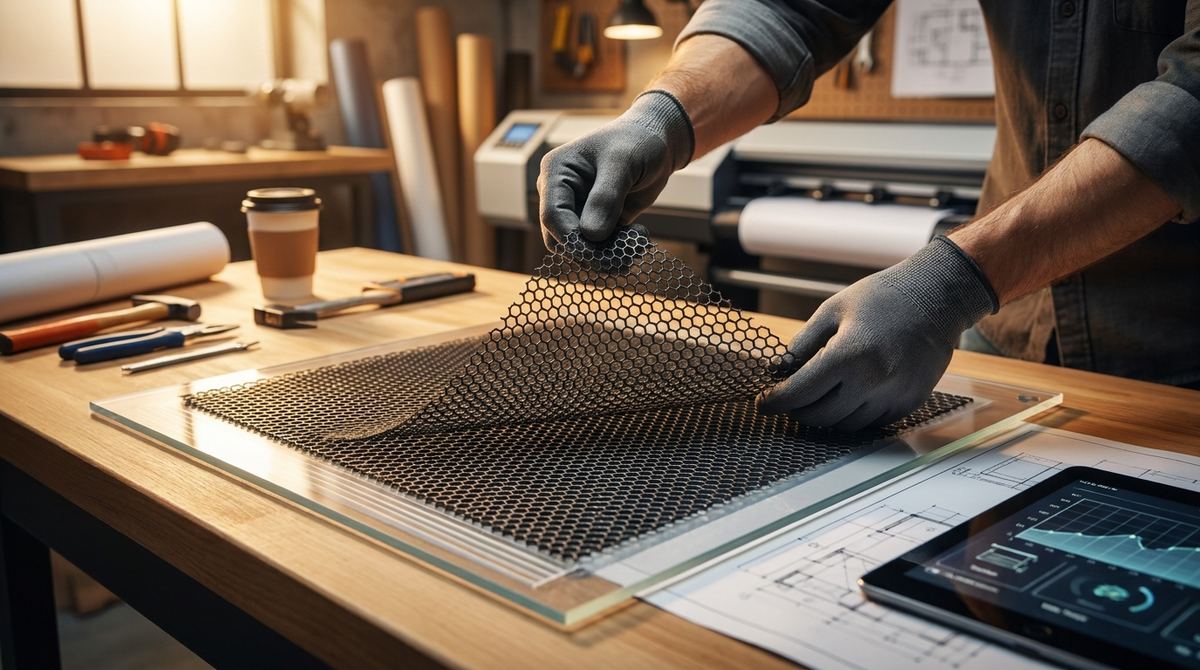
Graphene heating products work by passing electricity through a conductive layer that turns electrical energy into heat. In most commercial products, the “graphene” layer is not a single sheet of perfect graphene; it is usually a carbon-based conductive film, often blended with graphene powder, carbon paste, or carbon ink, laminated between insulating layers. The business opportunity is real because these products are thin, lightweight, fast to heat, and easy to integrate into floors, clothing, vehicle interiors, pet products, and portable warming items.
The basic physics is simple:
Power (W) = Voltage (V) x Current (A)
And for resistive heating:
Power (W) = Voltage² / Resistance (ohms)
If you want a 12V heating pad that produces 24W, the target resistance is:
R = V² / P = 12² / 24 = 6 ohms
At 12V, that panel will draw:
I = P / V = 24 / 12 = 2 amps
That matters because your material choices determine resistance, heat output, and safety. A panel that is too low in resistance will draw too much current and overheat. A panel that is too high in resistance will barely warm up.
For a startup, the best approach is not to invent a new chemistry from scratch. Start by sourcing conductive heating film or carbon/graphene heating sheet material, then build reliable products around it: pads, mats, inserts, seat warmers, pet bed liners, and underfloor sample kits.
The best-selling applications are those with clear pain relief, visible value, and easy customer understanding.
Heated floors
This is a strong B2B and contractor channel. Customers want comfort, energy efficiency, and a premium feel. Typical operating power is 80 to 150 W per square meter depending on insulation and climate. For example, a 10 m² bathroom zone at 100 W/m² needs about 1,000 W total. At 120V, that is about 8.3A. At 240V, it is about 4.2A. Floor systems usually require thermostats, floor sensors, and compliance with electrical codes, so this is a higher-trust, higher-margin market.
Heated clothing
This is a DTC-friendly category because consumers understand it immediately. Jackets, gloves, socks, and insoles use low-voltage systems, often 5V USB or 7.4V lithium battery packs. A heated vest might use 3 zones at 6W each for 18W total. If you run it from a 7.4V battery, current is about 2.4A. This category sells on comfort, portability, and winter sports use, but requires careful attention to battery safety and washability.
Car seats
Aftermarket seat warmers are a big opportunity. Car owners want quick comfort in cold weather, and installers can add value. A typical seat warmer uses 35 to 60W per seat. A 12V system at 48W draws 4A. Two seats could therefore draw around 8A total. The best products include thermostat control, multiple heat levels, overtemperature cutoffs, and easy-to-install harnesses.
Pet beds
Pet beds are one of the easiest entry products because the requirements are simpler. A heated pet bed for cats or small dogs may use only 15 to 30W. At 12V and 24W, current is 2A. This is a good first product because it can be low-cost, visually appealing, and sold online with good margins. It also allows you to test heating film durability, temperature control, and customer satisfaction before moving into more regulated applications.
You can start a very small prototype and pilot business for under $600 if you focus on one product and keep tooling simple.
Suggested starter budget:
- Conductive heating film or carbon heating sheet sample roll: $120 to $180
- Temperature controller or thermostat modules: $20 to $40
- Power supplies, wires, connectors, fuse holders: $40 to $70
- Insulation materials, PET film, fiberglass cloth, adhesive tape: $40 to $60
- Multimeter and infrared thermometer: $35 to $60
- Soldering iron, cutters, crimp tools: $40 to $70
- Basic enclosure materials or sample fabric/panel substrates: $50 to $100
- Packaging samples and labels: $20 to $40
- Small contingency: $50
Practical startup plan:
1. Pick one product, such as a 12V pet bed pad or seat cushion.
2. Buy small quantities of heating film and control components.
3. Build 3 to 5 prototypes.
4. Test temperature rise and current draw.
5. Photograph the prototypes and create a simple landing page or marketplace listing.
6. Sell to early adopters, local installers, or pet owners.
The key is to avoid spending money on custom molds, certifications, or inventory before you know your panel design works. Your first goal is proof of demand, not scale.
A simple first product is a low-voltage flexible heating panel for a pet bed, seat cushion, or warming mat.
Example target:
- Voltage: 12V
- Power: 24W
- Current: 2A
- Resistance: 6 ohms
Material list:
- Graphene or carbon heating film sheet
- PET or fiberglass insulation layer
- Heat-resistant adhesive or lamination film
- Copper bus bars or conductive tabs
- 18 to 20 AWG wire depending on current
- Inline fuse holder and fuse
- Thermostat or temperature controller
- Outer fabric or protective cover
- Multimeter
- Infrared thermometer
Assembly steps:
1. Cut the heating film to the desired size.
2. Attach conductive tabs or bus bars to the film ends according to the supplier’s instructions.
3. Measure resistance before assembly. Confirm it matches the target range.
4. Laminate the film between insulation layers so the conductive surface is protected.
5. Add a temperature sensor near the hottest region, not directly over the edge.
6. Connect the panel to a thermostat or pulse-width controller.
7. Add an inline fuse sized slightly above normal operating current. For a 2A load, a 3A fuse is a reasonable starting point.
8. Enclose the panel in a washable or wipeable outer layer.
9. Power the unit at low voltage first and monitor temperature rise.
10. Test for hot spots, odor, delamination, and wire heating.
Practical wattage check:
If your 12V panel measures 8 ohms instead of 6 ohms:
P = 12² / 8 = 18W
That may still be fine for a pet bed or warming pad, but not for a high-output seat warmer.
If your panel measures 4 ohms:
P = 12² / 4 = 36W
Now current is 3A, which may be too hot for a small enclosed pad unless you add better control and thermal protection.
The business lesson: resistance is product design. Small changes in film width, length, or conductive loading affect output, so every SKU should have a measured target resistance range.
Safety is a major commercial advantage if you treat it seriously from day one. Heating products can cause burns, fires, shock, or battery failures if poorly designed.
At minimum, test:
- Resistance before and after assembly
- Current draw at rated voltage
- Surface temperature at steady state
- Hot spot mapping across the panel
- Fuse behavior under fault conditions
- Flex and bend durability
- Connector strain relief
- Moisture resistance for intended use
- Overtemperature shutdown if applicable
Practical temperature targets:
- Skin-contact consumer products: often aim for surface temperatures around 35 to 45°C depending on use case
- Pet products: keep temperatures conservative, often below human comfort-heating levels
- Floor heating: controlled by thermostat, typically designed to stay within approved comfort and code limits
Useful standards and compliance areas to research:
- UL or ETL safety certification for electrical products in the US
- CE marking and relevant low-voltage and electromagnetic compatibility rules for Europe
- RoHS for restricted substances
- FCC if you include wireless controls
- Local electrical codes for floor systems
- Battery transport and safety rules for wearable products
Important practical advice: if you plan to sell at scale, do not market a heating product without independent testing. For early prototypes, use disclaimers and sell only in controlled pilot quantities. For commercial sales, certification is often a gatekeeper for distributors, installers, and marketplaces.
Pricing should be based on value, not just material cost.
Consumer products
Typical gross margin targets are 50% to 70% if you sell direct. For example:
- Material and assembly cost: $12
- Packaging and shipping prep: $4
- Total landed cost: $16
- Retail price: $39 to $59
This gives room for ads, returns, and support.
Example consumer SKU: 12V heated pet pad
- BOM cost: $14 to $18
- Selling price: $39.99 to $49.99
- Gross margin: about 60%
Example heated seat cushion:
- BOM cost: $20 to $30
- Selling price: $69 to $129
- Gross margin: 55% to 70%
Commercial products
Commercial and B2B pricing is usually lower margin per unit but higher volume and repeat business.
- Floor heating film sold to contractors may be priced per square meter
- Controls, thermostats, and accessories can carry higher margin
- Installation support and technical documentation increase value
Example floor heating pricing:
- Manufacturing cost per m²: $8 to $15
- Wholesale price: $18 to $28 per m²
- Retail/installed system value: much higher when bundled with thermostat and labor
A useful rule:
- DTC: price for convenience and branding
- B2B: price for reliability, documentation, and repeatability
Do not underprice. Heating products require support, warranty reserve, and safety overhead. Cheap products often create returns and reputation damage.
Direct-to-consumer
Pros:
- Higher gross margin
- Faster feedback
- Easier to test product-market fit
- Good for pet beds, seat cushions, heated apparel, portable mats
Cons:
- Advertising costs
- Returns and customer service
- Slower trust building for technical products
Best DTC channels:
- Amazon or marketplace listings
- Shopify store
- Social media short videos
- Seasonal promotions
- Niche communities such as pet owners, campers, and winter sports users
B2B
Pros:
- Larger orders
- Lower customer acquisition cost per unit
- Repeat sales
- Better for floor heating, OEM seat systems, and contractor supply
Cons:
- Longer sales cycle
- Needs documentation and compliance
- More technical support required
Best B2B targets:
- Flooring contractors
- RV and van conversion shops
- Automotive upholstery installers
- Pet product brands needing private label supply
- Industrial warming product distributors
The practical approach is to start DTC with one simple product, then use the same core heating technology for B2B once you have proof, test data, and a stable supply chain.
The best marketing for heating products is demonstration-based. People buy heat when they can see comfort, speed, and reliability.
What works:
1. Short videos showing warm-up time
2. Thermal camera comparisons
3. Before-and-after comfort demonstrations
4. Installation videos for contractors
5. Seasonal campaigns before winter
6. Product comparison charts showing wattage, voltage, and temperature control
7. Testimonials from pet owners, drivers, or installers
Practical content ideas:
- “How fast does a 24W pet pad warm up?”
- “12V vs 24V seat heater comparison”
- “What 100W/m² floor heating actually means”
- “How to install a flexible heating film in a bench cushion”
A simple marketing formula:
Problem + visible heat + proof + easy purchase
For example:
- Problem: cold pet bed in winter
- Proof: infrared image showing stable warmth
- Offer: plug-and-play heated pad
- CTA: buy now
If selling B2B, build a one-page spec sheet:
- Voltage
- Wattage
- Resistance range
- Max temperature
- Dimensions
- Installation method
- Warranty
- Certifications in progress
Installers and contractors can become your fastest route into commercial sales.
Why they matter:
- They already have customer trust
- They understand installation pain points
- They influence product selection
- They can bundle your product into their service
How to win them:
1. Make installation simple.
2. Provide clear wiring diagrams.
3. Offer sample kits.
4. Include margin for the installer.
5. Train them with a short video and a one-page guide.
Example contractor offer:
- Buy at $22 per m²
- Suggested retail installed price: $45 to $70 per m² depending on project
- Offer referral bonuses for repeat volume
For automotive or upholstery partners, create a kit with:
- Pre-cut heating elements
- Harnesses
- Fuse
- Switch
- Installation manual
- Troubleshooting guide
For floor contractors, provide:
- Heat-loss guidance
- Wattage per square meter recommendations
- Thermostat compatibility list
- Sensor placement instructions
Make it easy for partners to sell you. If your product reduces labor time and callbacks, they will keep ordering.
Once your first product works, growth comes from product expansion and channel expansion.
Product expansion ideas:
- Heated dog mats and kennel liners
- Heated car armrests and steering wheel wraps
- Anti-fog mirror and cabinet heating films
- Medical comfort accessories where allowed by regulation
- RV and van conversion heating kits
- Smart thermostatic controllers with app control
- Custom OEM heating layers for furniture and apparel brands
Channel expansion:
- Private label manufacturing
- Wholesale to distributors
- Contractor supply
- Export markets
- Subscription replacement parts and controllers
Revenue model examples:
1. DTC consumer product
- 500 units/month at $45 average selling price
- Revenue: $22,500/month
- If gross margin is 60%, gross profit is $13,500/month
2. B2B floor film supply
- 2,000 m²/month at $22/m²
- Revenue: $44,000/month
- If gross margin is 35%, gross profit is $15,400/month
3. OEM/private label
- 1,000 units/month at $18 wholesale
- Revenue: $18,000/month
- Lower margin, but more predictable volume
The smartest long-term strategy is to use one core heating film platform and create multiple SKUs around it. That reduces engineering effort and inventory complexity. Start with a simple low-voltage product, prove safety and demand, then move into larger commercial systems where documentation, trust, and repeat orders create durable growth.
A graphene heating business can be built cheaply, but only if you stay disciplined: measure resistance, calculate wattage, control temperature, and sell products that solve a real cold-weather problem. If you do that well, the business can move from a few prototype sales to a scalable heating brand with both consumer and commercial revenue streams.
Serious about B2B integration? Test our premium Pulsed Electrical Resistive Carbon Heating turbostratic graphene in your lab. 100g sample packs available now.
Explore More
Researchers have developed a breakthrough method for growing twisted bilayer graphene with pre-designed angles, a key step toward manufacturable quantum...

Learn how deep learning is revolutionizing the structural characterization of twisted bilayer materials, accelerating the development of next-generation...

Learn to build a prototype graphene FET biosensor for sensitive DNA detection. This guide covers materials, fabrication, and testing for point-of-care...