
Practical Guide: Building a Graphene Fiber Biosensor for Cancer Biomarker Detection
A practical guide to fabricating a flexible graphene fiber sensor for the simultaneous detection of nitric oxide and H2O2, key cancer biomarkers.
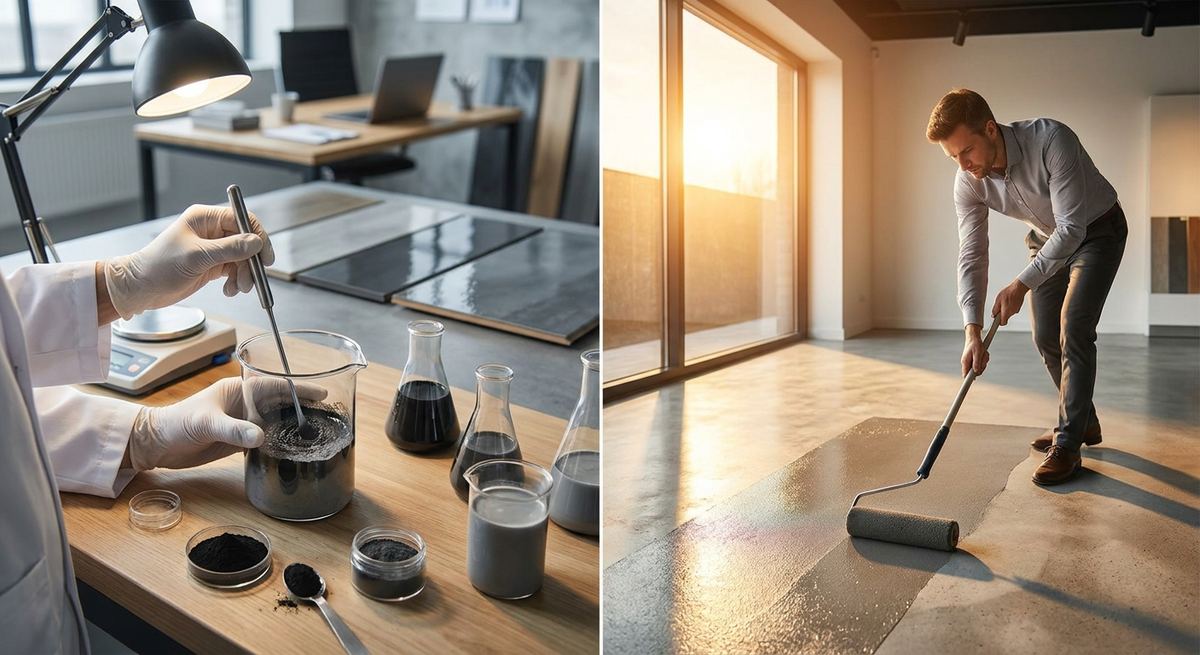
Graphene concrete coatings are protective floor coatings, sealers, or additives that use a small amount of graphene material to improve performance. In plain English: graphene is a super-strong carbon material often added in tiny amounts to help coatings resist wear, improve hardness, and sometimes reduce cracking or water penetration.
For a startup business, you do not need to invent a new chemistry. You are usually selling one of three things:
1. A graphene-enhanced sealer for concrete floors, driveways, patios, or garages.
2. A graphene additive that gets mixed into an existing coating system.
3. A premium “graphene upgrade” on top of a standard concrete coating service.
The easiest path is to start with a practical service model:
- Buy a ready-made graphene additive or graphene-enhanced coating product.
- Apply it to concrete surfaces as a contractor.
- Sell the result as a premium floor protection system.
Important reality check: graphene is often used as a marketing term in coatings. Some products contain very little graphene. That is not necessarily bad, but it means you should focus on performance and customer results, not just the word graphene.
What customers actually want:
- Less dusting
- Better abrasion resistance
- Easier cleaning
- Better stain resistance
- A longer-lasting finish
- A more premium-looking floor
You are not selling “science.” You are selling a tougher, easier-to-maintain concrete surface.
This business works because concrete is everywhere and people hate maintaining it.
Good customer categories:
- Homeowners with garages, basements, patios, driveways
- Contractors who need a better coating option
- Small industrial shops and warehouses
- Auto detailers and mechanic shops
- Property managers
- Farm buildings and workshops
Why graphene-enhanced coatings are attractive:
- They can be sold as a premium upgrade over standard sealers.
- The raw material cost is usually low relative to the selling price.
- Many customers are already shopping for concrete protection.
- A small business can start with low overhead.
- The product is visual: customers can see gloss, color, and cleanliness.
Typical market logic:
- Basic concrete sealer jobs may sell for $1.25 to $3.00 per square foot.
- Premium coating or epoxy-style systems can sell for $4 to $12+ per square foot.
- A graphene-enhanced premium coating can be positioned in the middle or upper end of that range.
Example:
- A 400 sq ft garage floor at $4.00/sq ft = $1,600 revenue.
- Material cost might be $150 to $350.
- Labor and prep are the real work, but there is room for healthy profit.
Why customers buy:
- They want a floor that looks better and cleans easier.
- They want to reduce dust and staining.
- They want a “high-tech” upgrade without a huge price jump.
- Contractors like products that are easy to sell as premium.
Best part:
You do not need a factory. You can start as a local applicator, reseller, or coating installer and grow from there.
You can start very lean if you focus on small jobs and use a simple application model.
Sample startup budget under $500:
1. Graphene-enhanced coating or additive sample kit: $120
- Buy a small trial quantity from a supplier.
- Look for 1 to 2 gallons of coating or a small additive package.
2. Concrete prep tools: $90
- 1 heavy-duty broom: $15
- 1 floor scraper or putty knife set: $20
- 1 hand grinder or rental deposit: $0 to $40 if borrowed/rented locally
- 1 pair of knee pads: $15
- 1 shop vacuum or use a household vacuum: $0 to $40
3. Application tools: $80
- 2 paint rollers and frames: $20
- 1 roller extension pole: $15
- 2 roller covers: $10
- 2 brushes: $10
- 2 mixing buckets: $10
- 1 measuring cup or scale: $15
4. Safety gear: $60
- Gloves: $10
- Safety glasses: $10
- Respirator mask: $25
- Disposable coveralls: $15
5. Marketing materials: $50
- Simple flyers: $20
- Business cards: $15
- Yard signs or door hangers: $15
6. Website or landing page: $50
- Use a cheap website builder or a simple one-page site.
- If you already have social media, this can be $0.
7. Miscellaneous contingency: $50
- Tape, rags, stir sticks, trash bags, cleaning solution
Total: about $450
If you already own some tools, you can start for less than $300.
Best beginner strategy:
- Do not buy a big inventory.
- Start with one product and one type of job.
- Use a supplier that can ship quickly after you get your first deposit.
What to look for in a product:
- Clear mixing instructions
- Technical data sheet
- Coverage rate
- Cure time
- Surface prep requirements
- UV resistance claims
- Slip resistance options
- Real application examples
If you are starting as an applicator, your first goal is not to become a chemist. Your goal is to produce a consistent coating system that you can apply correctly.
Important: follow your supplier’s label and safety data sheet exactly. The ratios below are practical examples for planning and quoting, not a substitute for the manufacturer’s instructions.
Simple beginner workflow:
1. Choose a base product
- Easiest option: buy a ready-to-use graphene-enhanced sealer or coating.
- Better option for learning: buy a standard coating plus a graphene additive recommended by the supplier.
2. Test a small batch first
- Mix a 1-quart test batch before doing a full floor.
- Apply it to a hidden area or a sample board.
Example small batch:
- 3 quarts base coating
- 1 quart graphene additive or enhancer
- Mix thoroughly for 3 to 5 minutes
If the manufacturer says the additive ratio is 5%:
- 1 gallon base coating = 128 oz
- 5% additive = 6.4 oz
- For a 2-gallon batch, use about 12.8 oz additive
If the manufacturer says 10%:
- 1 gallon base coating = 128 oz
- 10% additive = 12.8 oz additive
Do not guess. Measure accurately.
3. Prepare the floor
Good prep is 80% of the job.
Basic prep checklist:
- Sweep thoroughly
- Degrease oil spots
- Scrape loose material
- Repair cracks if needed
- Grind or etch the surface so the coating can bond
- Vacuum dust completely
- Make sure the floor is dry
For a garage floor:
- Remove all items
- Pressure wash if needed
- Degrease with concrete cleaner
- Let dry 24 to 48 hours
- Grind lightly or use a bonding prep solution if appropriate
4. Mix correctly
- Stir the base coating slowly.
- Add graphene additive as directed.
- Mix from the bottom up so nothing settles.
- Use a clean bucket.
- Mix only what you can apply in the working time.
Beginner batch size:
- Start with 1 gallon to cover about 150 to 250 sq ft, depending on thickness and product.
- For a 400 sq ft garage, plan on 2 gallons for a light coating or 3 gallons for a thicker system.
5. Apply in sections
- Divide the floor into 4-foot by 4-foot sections.
- Roll the coating evenly.
- Keep a wet edge so you do not leave lap marks.
- Use a brush for edges and corners.
Typical application rate:
- Light sealer: 200 to 400 sq ft per gallon
- Protective coating: 100 to 250 sq ft per gallon
- Thicker premium coating: 75 to 150 sq ft per gallon
6. Let it cure
- Foot traffic: often 6 to 24 hours
- Light use: 24 to 48 hours
- Full cure: 3 to 7 days depending on product
Do not rush this. A rushed job creates callbacks.
7. Document the result
Take before-and-after photos from the same angle. These become your sales tool.
Practical first-job example:
- 2-car garage, 400 sq ft
- Material: 2 gallons coating + additive
- Labor: 4 to 6 hours prep, 2 to 3 hours application
- Sell price: $1,400 to $2,000 depending on prep and finish
You should price based on square footage, not by “a bucket of coating.” Customers understand floors, not chemistry.
Pricing model options:
1. Basic sealer package
- $1.50 to $2.50 per sq ft
- For driveways, patios, utility floors
- Lower prep, faster install
2. Premium graphene-enhanced coating package
- $3.50 to $6.50 per sq ft
- For garages, shops, basements, retail spaces
- Better margins and stronger positioning
3. Industrial or heavy-use package
- $6.00 to $12.00+ per sq ft
- For warehouses, auto bays, food prep areas, and specialty projects
How to calculate price:
- Measure square footage
- Estimate material cost
- Estimate labor hours
- Add profit margin
- Include prep, travel, and warranty
Simple pricing formula:
Price = material cost x 3 to 5 + labor + overhead
Example:
- Materials: $220
- Labor: 8 hours at $35/hour = $280
- Overhead: $100
- Total cost: $600
- Sell price at 2x margin: $1,200
- Sell price at 3x margin: $1,800
Recommended beginner pricing:
- Minimum job size: $500
- Garage floor: $1,200 to $2,500
- Small patio: $800 to $1,800
- Driveway seal/coating: $1,000 to $3,500
Upsells that increase ticket size:
- Crack repair: $2 to $5 per linear foot
- Anti-slip additive: $100 to $250 per job
- Stain-resistant topcoat: $150 to $400 per job
- Decorative color flakes: $2 to $4 per sq ft extra
Always quote in writing and include:
- Surface prep
- Number of coats
- Cure time
- Warranty terms
- Exclusions, like deep oil stains or major cracking
Your first customers will come from trust, not fancy branding.
Best customer groups and how to reach them:
1. Contractors
These include general contractors, garage builders, remodelers, and concrete finishers.
How to reach them:
- Visit local supply stores
- Ask for contractor referrals
- Drop off a one-page flyer with pricing
- Offer a referral fee of 10% or a flat $100 per job
Sales pitch:
- “I install premium concrete protection systems that are easy to clean and upsell.”
- “I can help you close more garage and shop jobs with a higher-end finish.”
2. Homeowners
Best places to find them:
- Facebook neighborhood groups
- Nextdoor
- Local home shows
- Door-to-door in newer subdivisions
- Google Business Profile
Best offer:
- “Garage floor special this month: 400 sq ft starting at $1,499.”
- Include a before-and-after photo and a short warranty.
Tactic:
- Offer a free estimate and a free stain test.
- Use urgency: “I only take 3 jobs per week.”
3. Industrial and commercial
These buyers want durability and low maintenance.
Targets:
- Auto repair shops
- Small warehouses
- Storage units
- Farm shops
- Light manufacturing
How to reach them:
- Call during slow hours
- Visit in person with a sample board
- Show a simple one-page sheet with:
- Abrasion resistance
- Easier cleaning
- Faster return to service
- Estimated cost per square foot
Best sales tactic:
- Talk about downtime savings.
- Say: “If I can coat your floor over a weekend and have you back in service Monday, that’s money saved.”
Practical first-customer plan:
- Make 50 local contacts in one week.
- Send 20 direct messages.
- Hand out 20 flyers.
- Offer 5 free estimates.
- Close 1 to 3 jobs.
If you close just one 400 sq ft garage at $1,500, you may have already paid back your startup costs.
The fastest path to scaling is repeatability.
Phase 1: Side hustle
- Do 1 to 2 jobs per week
- Keep inventory small
- Reinvest profits into tools and marketing
- Build photo proof and reviews
Monthly revenue target:
- 2 jobs at $1,500 each = $3,000/month
- Materials might cost $300 to $500 total
- Good side-hustle profit can be $1,500 to $2,200/month
Phase 2: Small business
- Add a helper
- Buy better prep equipment
- Increase average job size
- Standardize quotes and install checklists
Monthly revenue target:
- 4 jobs at $1,800 each = $7,200/month
- With labor and overhead, profit may be $3,000 to $4,500/month
Phase 3: Full business
- Hire part-time installers or subcontractors
- Create package pricing
- Get commercial accounts
- Build recurring maintenance services
Recurring revenue ideas:
- Annual reseal service: $0.75 to $1.50 per sq ft
- Maintenance cleaning: $150 to $500 per visit
- Touch-up repairs: fixed service fee
What to systemize:
- Lead form
- Estimate template
- Prep checklist
- Mixing ratios
- Photo documentation
- Warranty terms
- Follow-up sequence
Simple growth formula:
- More reviews = more leads
- More leads = more estimates
- More estimates = more jobs
- More jobs = more photos and referrals
Do not scale too fast with too many products. Win with one or two reliable systems first.
You should be careful with performance claims. Graphene coatings can perform well, but results depend on the base chemistry, prep, and application quality.
Practical performance expectations you can use in sales:
1. Abrasion resistance
- Customers may see less surface wear than with basic sealers.
- Good for garages, light industrial floors, and workshops.
- Best selling point: “It holds up better under foot traffic and tire wear.”
2. Water and stain resistance
- Many graphene-enhanced systems repel water and common spills well.
- Useful against oil drips, mud, and cleaning chemicals.
- Best selling point: “It cleans easier and stains less.”
3. Hardness and durability
- Some coatings cure to a harder surface than standard options.
- Better hardness can mean fewer scuffs.
- Best selling point: “It looks newer for longer.”
4. Dust reduction
- On worn concrete, a sealer can reduce dusting.
- Best selling point: “Less concrete dust in the garage or shop.”
5. Real-world limits
- Graphene does not fix bad prep.
- It will not hide major cracks or moisture problems.
- It will not save a failed coating system.
- It is not magic; it is an enhancement.
How to talk about performance honestly:
- “This is a premium protective coating with graphene enhancement.”
- “Performance depends on surface prep and proper installation.”
- “We use it because it can improve durability and cleaning performance.”
What to track on every job:
- Square footage
- Product used
- Prep method
- Cure time
- Customer satisfaction
- Any callbacks
If you want proof, build your own mini data set:
- Coat 10 floors
- Take photos at day 1, day 30, and day 180
- Record scuffing, stain resistance, and customer feedback
- Use those real results in future sales
A practical revenue example:
- 3 garage jobs per month at $1,500 each = $4,500 revenue
- Materials at $250/job = $750
- Gross profit before labor and overhead = $3,750
- As you get faster and raise prices, margins improve
Final advice:
Start simple, sell the outcome, and keep your promises. The business is not about sounding scientific. It is about giving customers a concrete floor that looks better, lasts longer, and is easier to live with. If you can do that consistently, you can build a profitable graphene-enhanced coatings business from a very small budget.
Serious about B2B integration? Test our premium Pulsed Electrical Resistive Carbon Heating turbostratic graphene in your lab. 100g sample packs available now.
Explore More
A practical guide to fabricating a flexible graphene fiber sensor for the simultaneous detection of nitric oxide and H2O2, key cancer biomarkers.

Explore a new low-noise Pauli-consistent ensemble Monte Carlo simulation for graphene, a powerful computational tool for designing next-generation...

Researchers propose a new method for dark matter detection using angular scanning, a technique that may rely on graphene's unique electronic sensitivity.